
Last updated November 2, 2026
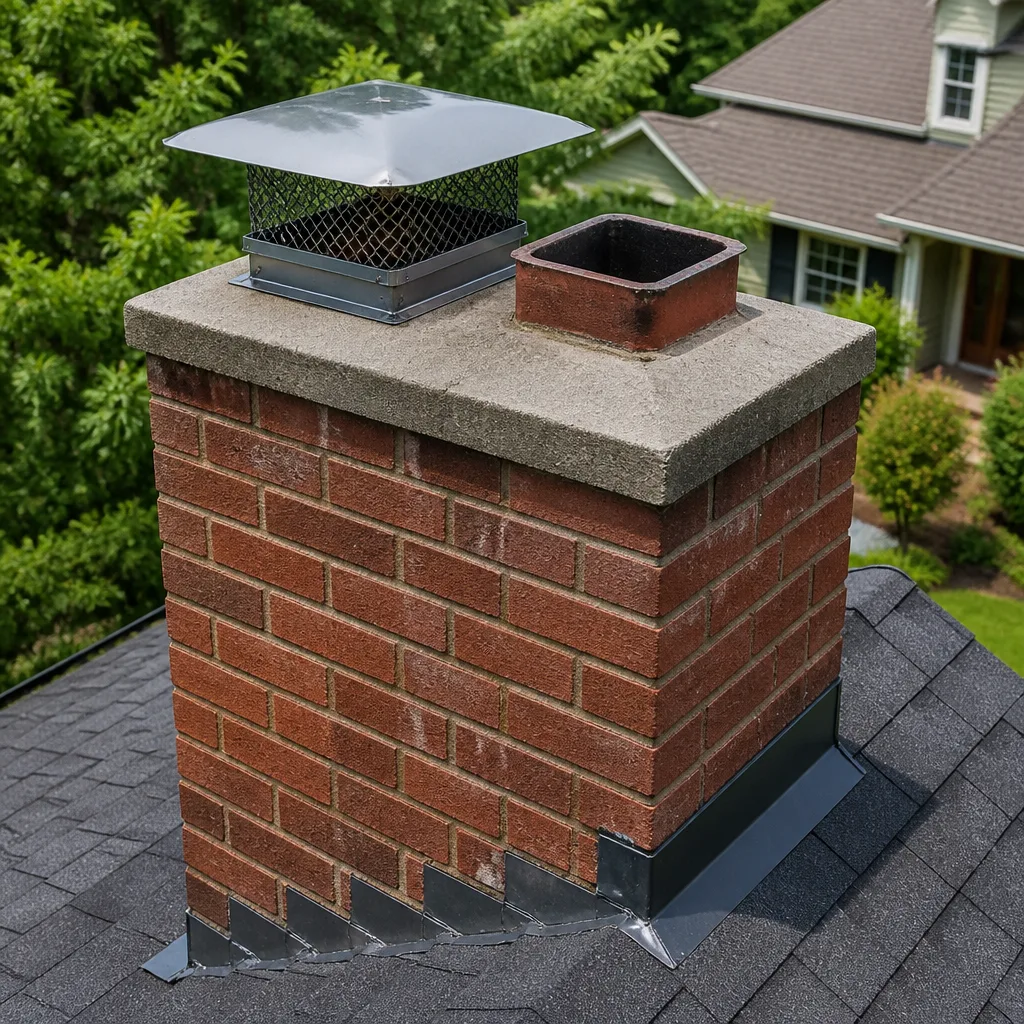 Sweep & inspection
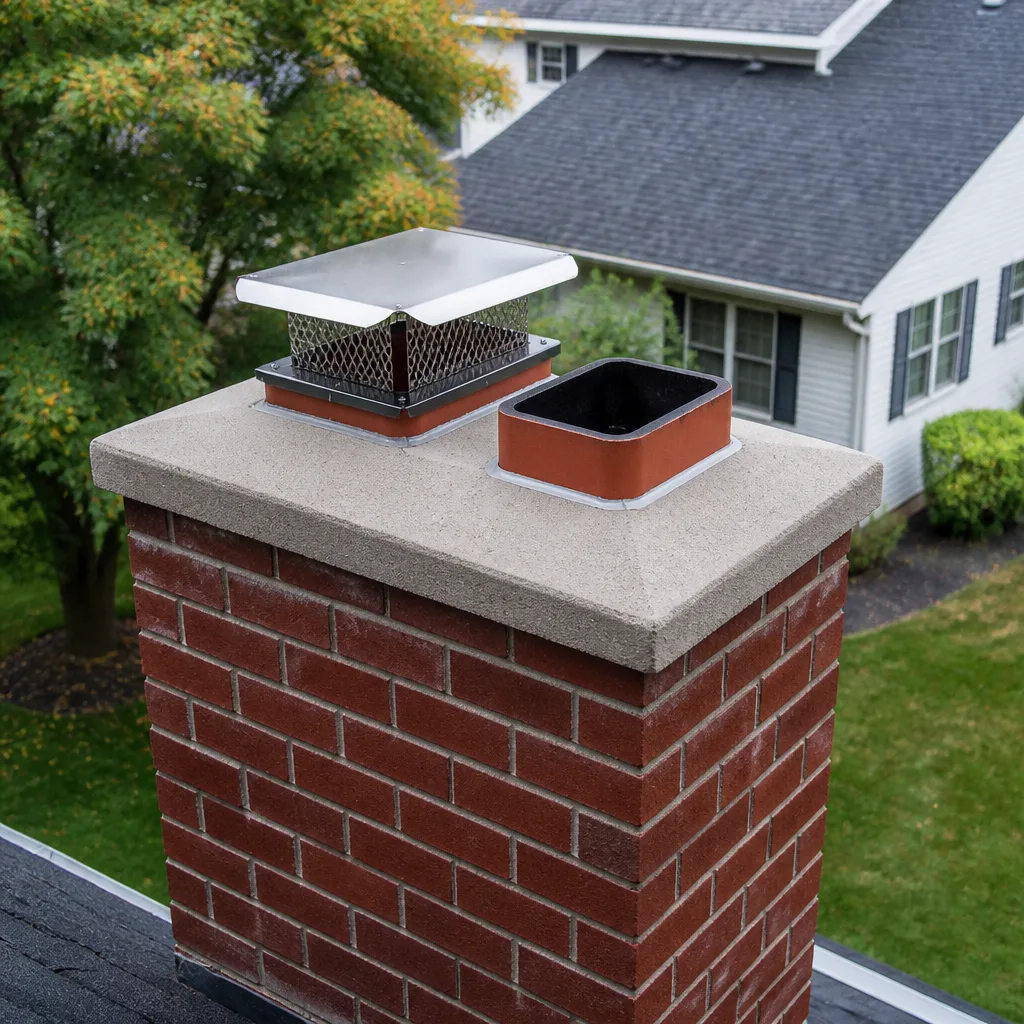 Caps & crowns
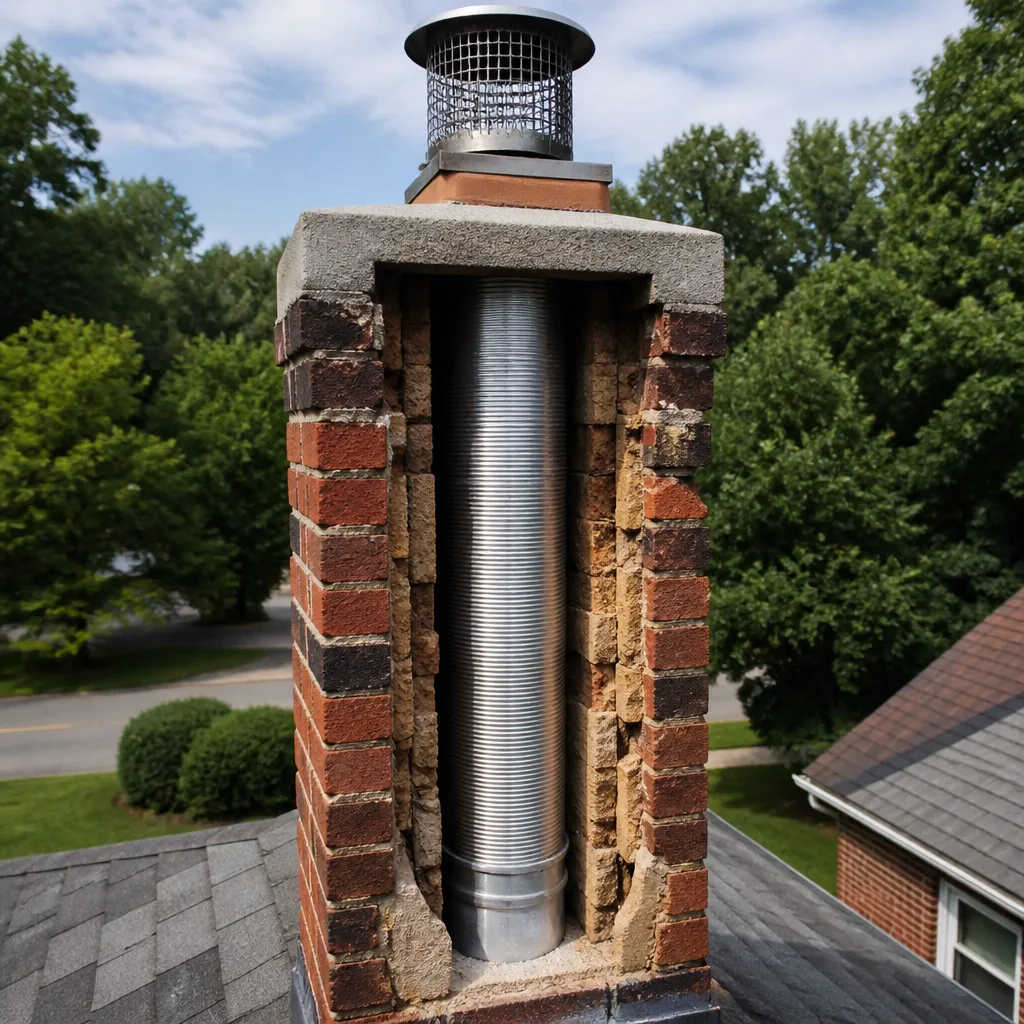 Flue relining
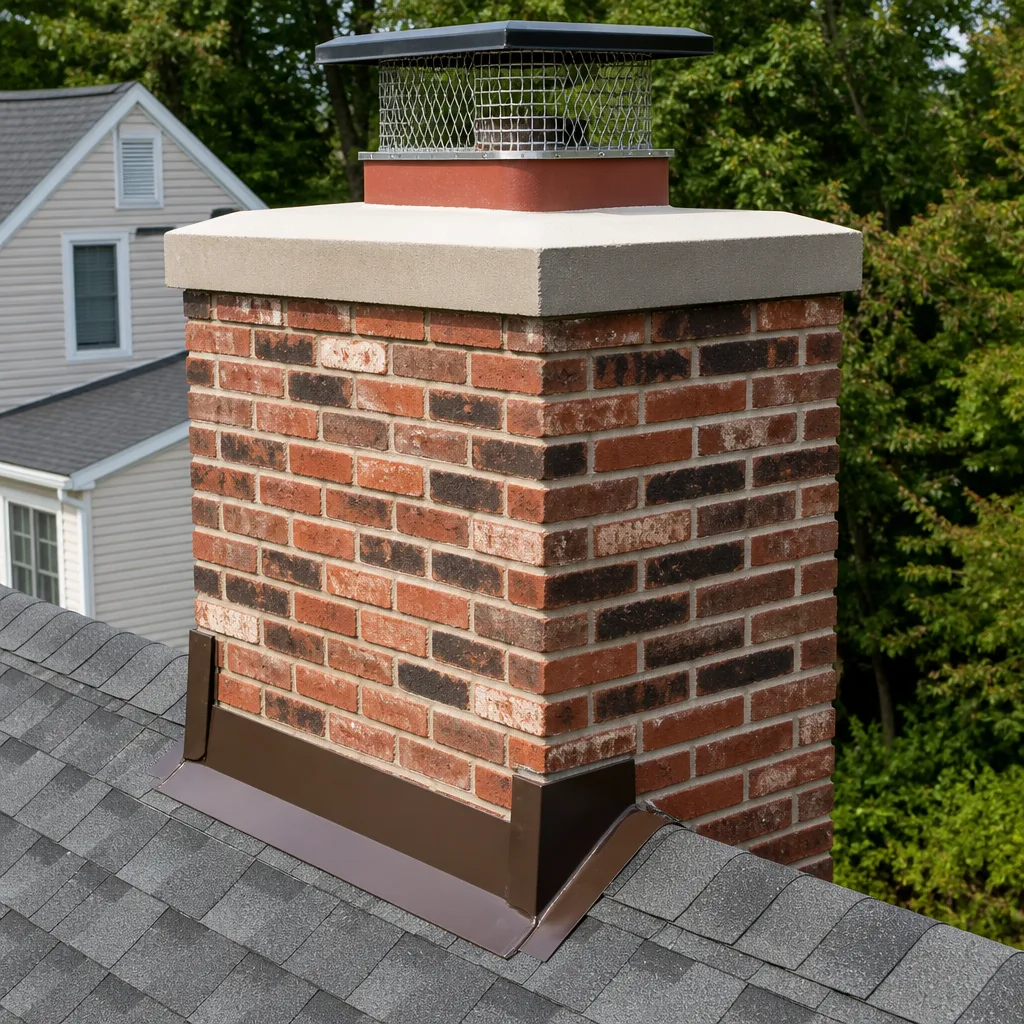 Masonry repair
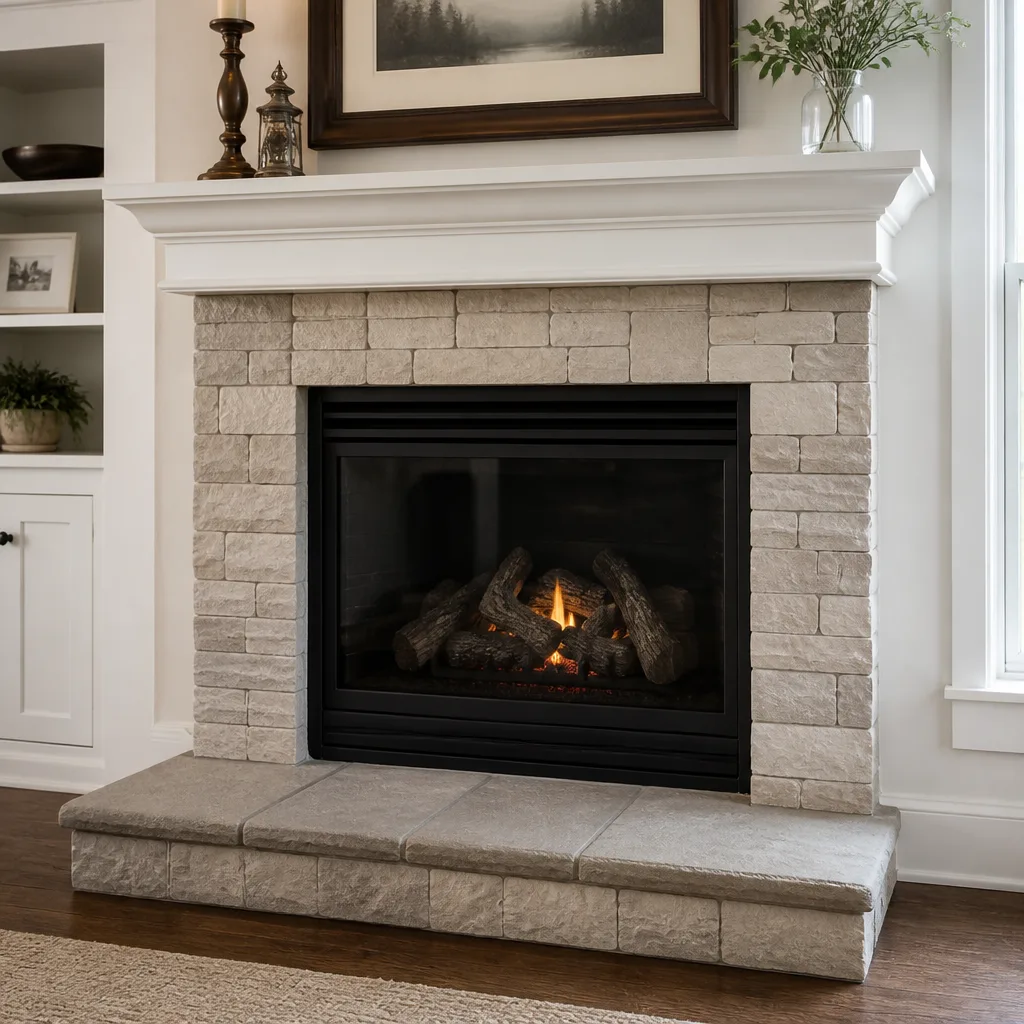 Gas fireplace service
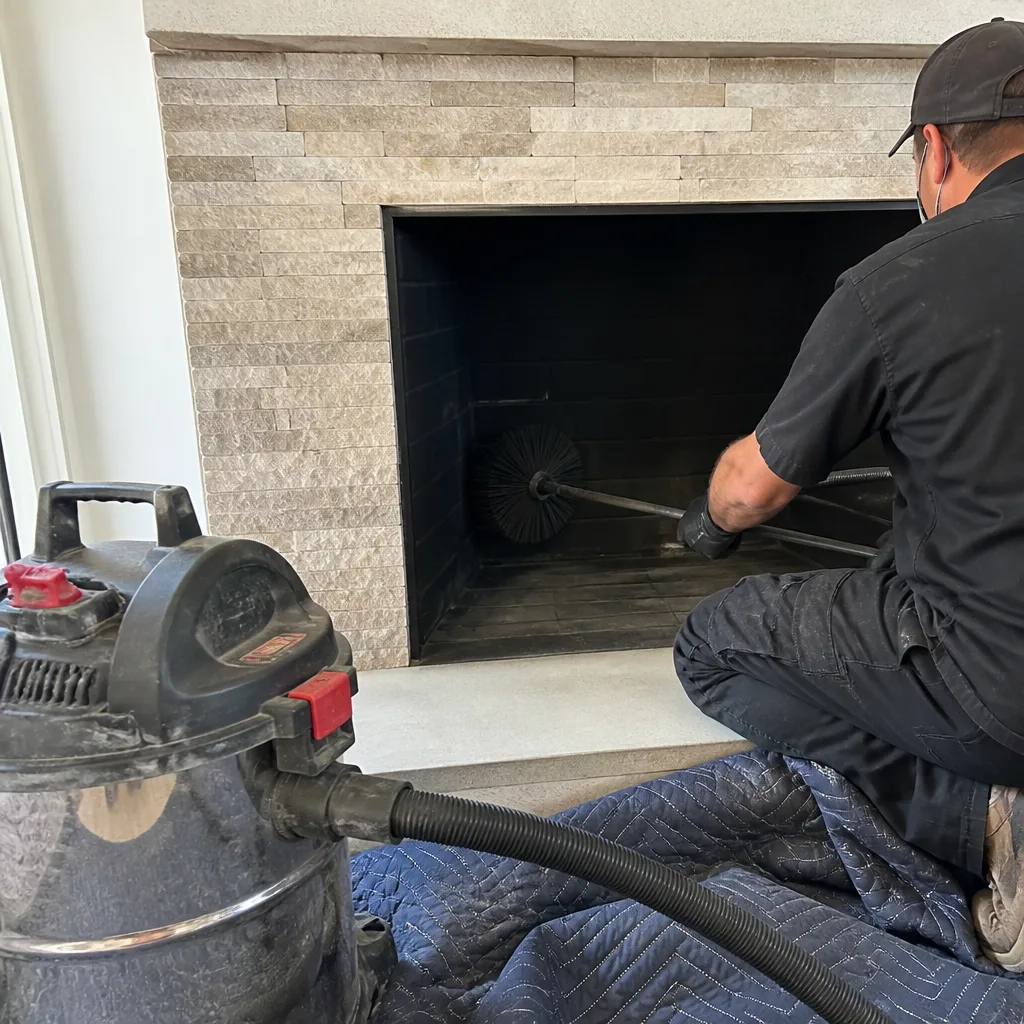
Level 1 sweep and inspection to the NFPA 211 annual standard - flue, crown, cap, and flashing checked and photographed
Chimney sweep logs do not sweep chimneys. They loosen some creosote - which then falls where a brush and vacuum still have to collect it.
Chimney Sweep Maintenance Checklist for Pocket Homeowners
Here’s something that surprises most Pocket homeowners: the chimney task skipped most often isn’t the cleaning. It’s the post-winter cap and crown inspection. In Pocket’s delta climate, winter rain soaks masonry, and by the time summer arrives, small cracks have widened, spalling has begun, and moisture has worked its way into the flue. The result isn’t dramatic. It’s slow, expensive deterioration that could have been stopped with a ten-minute visual check in March. This guide is a month-by-month maintenance rhythm built specifically for Pocket, CA, not a national template. You’ll learn what to check, when to check it, what you can safely assess from the ground, and what requires a trained eye.
Quick Answer
A chimney maintenance checklist for Pocket homeowners should follow the delta’s actual seasonal pattern: inspect the cap and crown in January after heavy rain, watch for animal nesting activity in March and April, schedule your annual Chimney Sweep between May and September when the flue is dry, check the damper and gasket in October before burning season, and document any changes with photos year over year. Wood-burning units need creosote checks; gas inserts need venting and gasket verification. Moisture intrusion in winter and animal nesting in spring are the two most common local failures this rhythm prevents.
Styles & brands we work with
- Sweep & inspection
- Caps & crowns
- Flue relining
- Masonry repair
- Gas fireplace service
Table of Contents
- January: The Post-Rain Cap and Crown Check
- March and April: Animal Nesting Season
- May through September: The Annual Sweep Window
- Gas Insert vs. Wood-Burning: Two Different Checklists
- Documenting Chimney Condition Year Over Year
- Ground-Level Signs vs. What Requires a Specialist
- Common Mistakes to Avoid
- When to Call a Professional
- Frequently Asked Questions
We’re Meadow Chimney Sweep. more guides & resources on chimneys and venting systems are all we do. We work with professional-grade materials from DuraFlex, Olympia Chimney, and Copperfield, the same brands certified chimney technicians use nationwide. This guide comes from years of looking at Pocket chimneys specifically, and it’s structured the way we actually inspect them: by what the season does to the system.
January: The Post-Rain Cap and Crown Check
Pocket gets most of its rain between December and February. By January, your chimney has typically absorbed several storms. This is the single best time to catch moisture damage early, before spring temperatures accelerate the freeze-thaw cycle that turns hairline cracks into masonry failures.
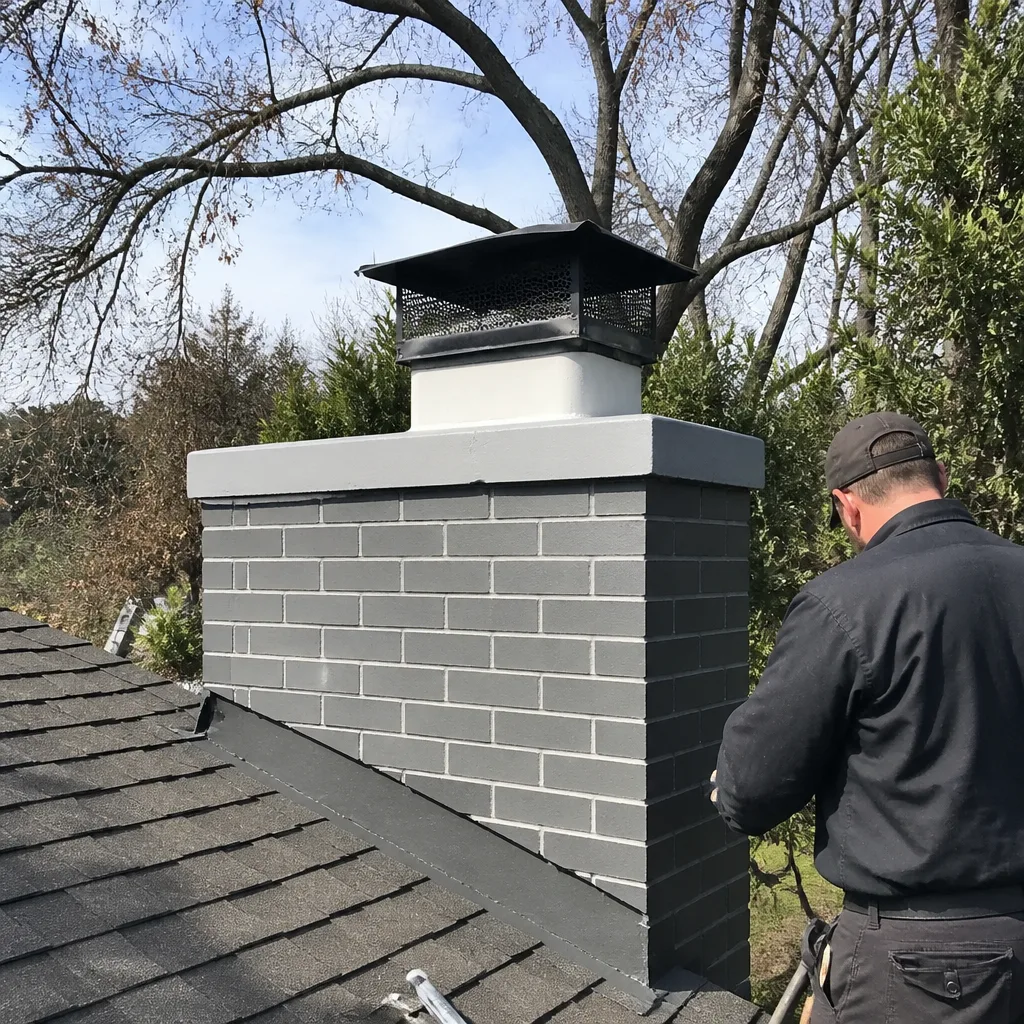
Here’s what happens in a Pocket winter: rain hits the chimney crown, the concrete slab at the top. A crown with hairline cracks lets water seep into the brick below. Then overnight temperatures dip. That water expands. Over weeks and months, the crack widens. The mortar softens. Bits of brick start flaking off. This is called spalling, and we see it most often on chimneys that never had a proper post-winter check.
Your January checklist:
- Look at the crown from the ground or a nearby vantage point. Can you see visible cracks? Dark staining? Missing chunks of concrete? If yes, note it.
- Check the chimney cap. Is it still seated properly? Is there rust on a metal cap? Has it shifted? A displaced cap invites rain directly down the flue.
- Look at the upper brick courses. Efflorescence, that white chalky deposit on brick, means water is moving through the masonry. It’s a warning sign, not a cosmetic flaw.
- Check the flashing. The metal where the chimney meets the roofline. If you can see lifted edges, gaps, or missing sealant, water is getting into the roof structure.
- Document everything with photos. Use your phone from the same angle each year. This becomes your baseline for tracking change.
None of this requires a ladder. Ground-level observation with a zoom lens on a phone camera is enough for a useful January check. If you see efflorescence, cracked crown edges, or flashing gaps, that’s the point to call a specialist. Small crown repairs done in February cost a fraction of full masonry restoration done in August.
March and April: Animal Nesting Season
As Pocket warms up in early spring, birds, squirrels, and raccoons start looking for shelter. Your chimney, especially if the cap is loose or missing, reads as a perfect cavity. A nest built in March can block the flue, trap carbon monoxide, and catch fire the first time you light a fire in November. We’ve pulled enough nesting material out of Pocket flues to know this isn’t rare, and it isn’t harmless.
March and April checklist:
- Listen. In the early morning or evening, stand near the fireplace. Scratching, chirping, or fluttering sounds mean something is living in the flue. This is not a DIY removal situation, especially with raccoons. Call a professional.
- Look for debris at the fireplace opening. Twigs, leaves, straw, or animal droppings inside the firebox are a direct sign of nesting activity above.
- Check the cap again. Spring winds and animal attempts can loosen a cap that survived winter. If it’s cocked or missing, your chimney is open.
- Look for entry evidence on the roof. If you can safely view the roofline, look for displaced shingles, droppings, or nesting material near the chimney.
- Schedule your annual sweep for late spring or summer. Even if you don’t suspect an active animal problem, a sweep after nesting season clears out whatever found its way in.
One thing we should be direct about: animal removal is not chimney sweeping. But once the animal is gone, the mess it leaves behind is exactly the kind of thing a Chimney Sweep in Pocket should handle. Nesting debris is compressed, flammable, and often packed tightly in the flue. A brush handles it. A homeowner with a garden rake does not.
The cap itself matters more than most people realize. A properly fitted cap with the right screen mesh keeps animals out while allowing proper draft. We use caps from Olympia Chimney and Copperfield – see our Choosing the Right Chimney Cleaning Brand: A Buyer’s Guide for Pocket for why brand matters – because they’re built to fit specific flue dimensions and hold up to Pocket’s wet winters, not because a hardware store had one on the shelf.
May through September: The Annual Sweep Window
The best time to sweep a chimney in Pocket is between May and September. The flue is dry. Creosote, which builds up during burning season, is easier to remove when it hasn’t been baked on by another winter of fires. Scheduling in summer means your chimney is clean, inspected, and ready before the first cold night, not after it.
This is also the window when our schedule is most flexible. You won’t be competing with the November rush, and you won’t be trying to get a sweep during the one week everyone else suddenly remembers their fireplace exists because the temperature dropped.
Your annual sweep should include:
- Full flue cleaning. A proper mechanical brushing removes creosote, soot, and debris from the entire flue length. This isn’t a vacuum hose from the firebox. It’s a full-length brushing.
- Visual flue inspection. While the flue is clean, the sweep looks for cracks, gaps, and deterioration in the liner. This is when liner problems get caught early, before they become flue fires or carbon monoxide leaks.
- Damper operation check. Does it open fully? Close tightly? A damper that doesn’t seal means warm air escaping all winter and cold drafts all summer.
- Cap and crown verification. The sweep confirms what you’ve been checking from the ground and looks at it up close.
- Smoke chamber inspection. The area above the damper where smoke gathers before entering the flue. Built-up soot here is a common secondary fire source.
- Chase cover check for prefab units. If you have a factory-built chimney, the chase cover, the metal top on the wood or metal structure, needs rust and seal verification.
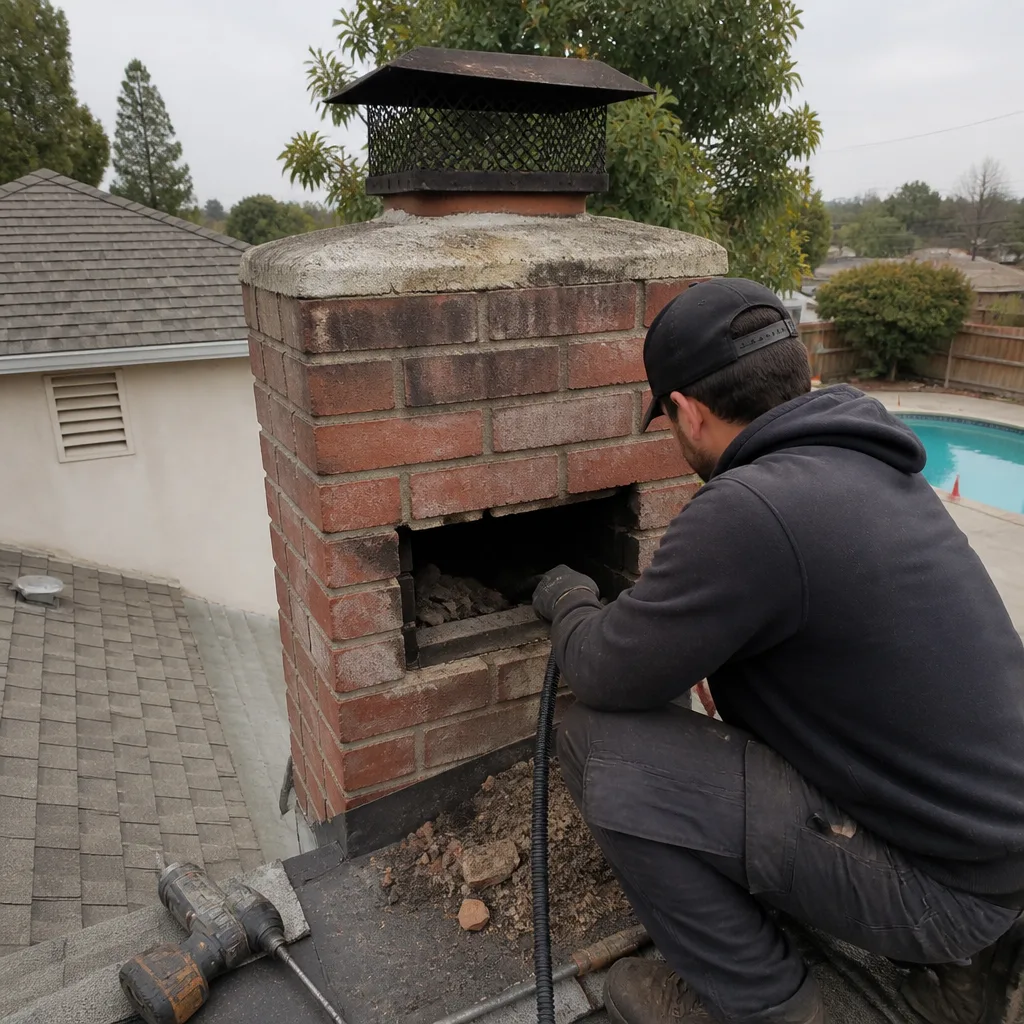
One of the things that makes a specialist visit different from a general handyman sweep is what happens after the cleaning. If the inspection turns up a cracked flue tile or a deteriorated mortar joint, the person who found it should be able to discuss the fix. That’s one reason we built Chimney Repair in Pocket as a core service, not a referral. The sweep and the repair are handled by the same company, using materials like HeatShield and DuraFlex that are the standard in professional chimney repair. You don’t get sent to a second contractor with a note.
Gas Insert vs. Wood-Burning: Two Different Checklists
If you have a gas fireplace insert, your maintenance rhythm is different from a wood-burning firebox. We see Pocket homeowners applying wood-burning logic to gas units all the time, and it leads to the wrong kind of maintenance, or none at all.
Gas units don’t create creosote, but they do produce acidic condensation, which can corrode liners and venting components, and they still require proper venting to move combustion gases outside. A gas unit that’s never checked can quietly become a carbon monoxide problem.
Wood-burning checklist:
- Annual creosote sweep. No exceptions if you burn more than a handful of fires each year. Creosote is flammable, and Pocket’s cool, damp air helps it condense inside the flue.
- Firebrick inspection. Crumbling firebricks need replacement before they expose the firebox shell to direct heat.
- Grate and andiron check. Warped grates change how the fire burns and can damage the firebox floor over time.
Gas insert checklist:
- Glass gasket inspection. A worn or cracked gasket lets combustion gases into the room. This is the first thing we check on a gas unit, every time.
- Venting verification. Whether direct-vent or B-vent, the pipe, terminations, and seals need examination. Birds have the same affection for gas vent terminations as they do for open flues.
- Log placement check. Logs that shift can block the flame pattern and cause incomplete combustion, which means carbon monoxide.
- Carbon monoxide detector verification. If your gas unit vents into the home and you don’t have a working CO detector in the same room, that’s the first purchase to make before you use the unit again.
Gas units need cleaning too, just differently. Soot deposits on logs and burners, and dust accumulates in the pilot assembly. A gas unit that hasn’t been serviced in five years can have a yellow, lazy flame instead of the crisp blue flame that indicates clean combustion. That yellow flame is producing carbon monoxide.
Documenting Chimney Condition Year Over Year
A single look at a chimney tells you its condition right now. Two looks, one year apart, tell you whether it’s deteriorating, and how fast. That’s the information that separates a minor repair from a major rebuild, and it’s the reason we encourage Pocket homeowners to keep a simple photo record.
Here’s a practical system that takes five minutes per year:
- Pick two fixed photo positions. One from the front yard or street, one from whichever side of the house gives the clearest view of the chimney and roofline. Use the same positions every time.
- Shoot in the same month. Ideally January, after the winter rain. Same month means same general weather, same lighting conditions, same shadows.
- Take close-up zooms of the crown, the cap, the flashing, and any areas that showed concern the year before. Use your phone’s zoom. You’re looking for change, not perfection.
- Label the photos. Year, month, and a one-sentence note if you saw something: “flashing looks lifted on the east side” or “efflorescence heavier than last year.”
- Show the series to your sweep at the annual visit. We don’t need to see your vacation photos. We do want to see the comparative chimney shots. A crack that widened over twelve months tells us something different than a crack that’s been identical for four years.
This practice also protects you from a bad situation that happens more often than it should: a contractor tells you an expensive repair is urgent, and you have no way to verify it. If you’ve got four years of photos showing the same hairline crack unchanged, you can have a real conversation. If the photos show it widening, you know the repair is legitimate and time-sensitive. Either way, you’re making a decision with information instead of fear.
We’re a Meadow Chimney Sweep home team that believes in this approach: show the homeowner what we’re seeing, explain what it means, and let the evidence make the case. A camera scope inspection is part of how we work for exactly that reason.
Ground-Level Signs vs. What Requires a Specialist
There’s a real line between what a homeowner can assess safely and what needs a trained professional with proper equipment. No homeowner should be on a roof without appropriate safety gear and experience, and no homeowner should be inside a flue with a camera scope. That’s not a matter of expertise. It’s a matter of physics and gravity.
What you can check from the ground:
- Crown condition: visible cracks, missing concrete, vegetation growing from the crown
- Cap presence and alignment: is it there, is it straight, is the mesh intact
- Brick and mortar appearance: efflorescence, spalling, discoloration, missing mortar joints
- Flashing condition: lifted edges, gaps, missing sealant visible from below
- Chase cover rust on prefab units: visible from certain angles
- Debris or droppings at the firebox: nesting evidence
What requires a specialist:
- Flue interior inspection: you can’t see the flue liner from the ground, and you can’t safely access it from the roof without proper equipment
- Creosote measurement and removal: even a thin layer of creosote is a fire hazard, and gauging it requires a professional eye
- Damper operation from inside the flue: what you can see from the firebox is only part of the mechanism
- Smoke chamber inspection: inaccessible without specialized tools
- Liner integrity testing: whether it’s a camera scope or a pressure test, this is specialist work
- Repair decisions: knowing whether a crack is cosmetic or structural requires understanding masonry, liner systems, and fire code
The ground-level checks are meaningful. They catch the most common problems early: displaced caps, cracked crowns, deteriorating flashing. Do them in January and March, document what you see, and bring that information to your annual sweep. That’s a genuinely useful partnership. The specialist then confirms what you saw and examines what you couldn’t.
Common Mistakes to Avoid
- Skipping the post-winter check because “the chimney was fine last fall.” Last fall was before the winter rain cycle. In Pocket, that’s the exact period when crown and flashing damage happens. A check in January is the most important one on this entire list.
- Burning a first fire in November without confirming the flue is clear. If a bird nested in March and you never swept, that first fire is lit directly under compressed, flammable nesting material. We’ve seen the results in Pocket more times than we’d like.
- Assuming a gas insert needs no maintenance because it doesn’t produce creosote. Gas units have their own failure modes: gasket leaks, venting blockage, and carbon monoxide risk. The maintenance is different, but it is not optional.
- Using a hardware-store cap without verifying fit. A cap that doesn’t seat properly is worse than no cap at all. It restricts draft, can trap heat, and still lets animals in around the edges. Proper caps come in specific flue dimensions, which is why we use brands like Famco that build to spec.
- Ignoring efflorescence as “just white stuff.” Efflorescence means water is moving through the masonry. In Pocket’s winter cycle, that water is doing mechanical damage every time it freezes. The white deposit is an early warning, not a stain.
- Postponing a sweep because the fireplace “wasn’t used much last year.” Chimneys deteriorate whether or not they’re used. Animals nest in unused flues. Moisture enters idle chimneys. An annual sweep is a system check, not just a creosote removal.
- Hiring a generalist for chimney work because it’s cheaper upfront. A handyman with a brush can sweep a flue. The question is whether they can identify what they’re looking at inside it, and whether they can fix what they find. A dedicated chimney company handles both in one visit.
When to Call a Professional
Call a chimney professional when you see efflorescence that’s worsening year over year, when the cap is loose or missing, when you hear animals in the flue, when the damper won’t seal, when you’ve burned more than a cord of wood since the last sweep, when your gas insert’s flame turns yellow, or when you simply haven’t had the chimney looked at in over a year. Any one of those is a legitimate reason to schedule a visit. Meadow Chimney Sweep offers free estimates in Pocket. Call (855) 943-1461 to schedule. We’ll look at the chimney, tell you what we see, and show you the evidence. No stack of repair orders for problems you can’t verify.
Frequently Asked Questions
Once per year, between May and September, is the standard for any wood-burning fireplace in Pocket. If you burn more than two cords of wood per season, you may need a mid-season sweep as well. Gas inserts can typically go two years between service visits, but we recommend annual checks because venting and gasket failures happen without warning and without a creosote signal. Call (855) 943-1461 for a free estimate if you’re unsure where your chimney falls.
A standard chimney sweep in Pocket typically runs between $180 and $350 depending on flue length, creosote buildup, and access. Inspections are usually included. Repairs discovered during the sweep are quoted separately. The number that matters is getting an exact quote after a camera scope shows the flue’s actual condition, which is exactly how we structure our estimates. Call (855) 943-1461 and we’ll tell you what we’re looking at and what it will cost.
Only if the existing liner is cracked, deteriorating, or improperly sized. A camera inspection shows this directly. If the liner is intact and properly sized, you don’t need a new one, and we’ll tell you that plainly. If it’s compromised, we use HeatShield and DuraFlex systems, the same materials certified chimney technicians across the country rely on, and we’ll show you the scope footage that justifies the recommendation. The decision should come from evidence, not from a sales script.
One skipped year usually means accumulated creosote if you burn wood, or an unchecked gas venting system if you don’t. Two skipped years means increased fire risk, likely moisture intrusion in Pocket’s winter rain cycle, and possibly an animal nest that’s been in place since spring. The specific risk depends on your chimney’s age, cap condition, and usage, but the pattern is consistent: neglect compounds, and the repair bill grows faster than the maintenance bill ever would.
You can, but the question is whether you should. A homeowner can purchase a brush and rod kit and clean a firebox and lower flue. What that DIY job misses is the flue inspection, the camera scope, the damper mechanism check, and the professional judgment about what’s cosmetic versus what’s structural. In Pocket specifically, the post-rain crown and flashing assessment is the part most DIY cleanings skip entirely. The cleaning matters. The inspection matters more. Call (855) 943-1461 and we’ll do both.
You don’t, until a detector tells you or a professional tests the system. If your CO detector has gone off, leave the house and call emergency services first, then a chimney professional to find the blockage or venting failure. If you have a gas insert, check that the CO detector in that room works and replace the batteries twice a year. A blocked flue or failed gasket doesn’t announce itself. The detector is the only reliable signal.
See the difference
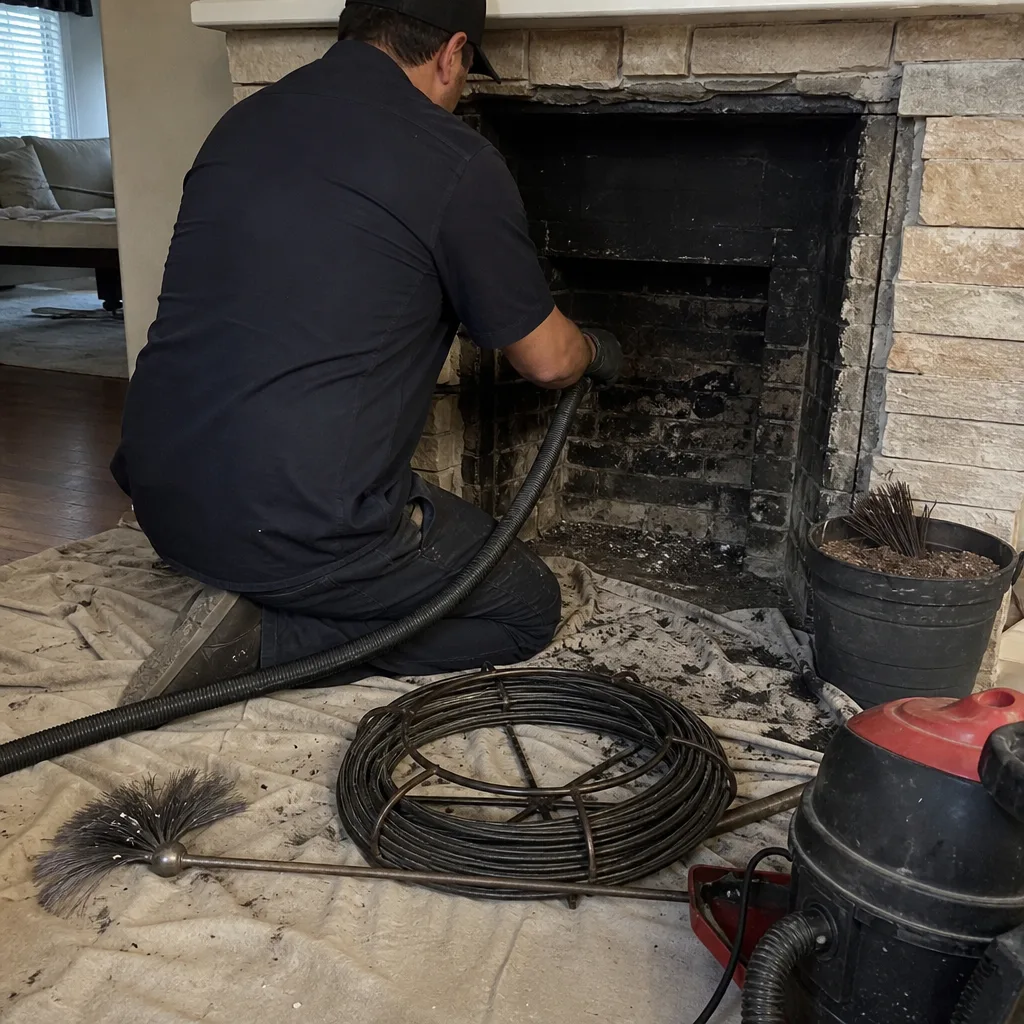 Before
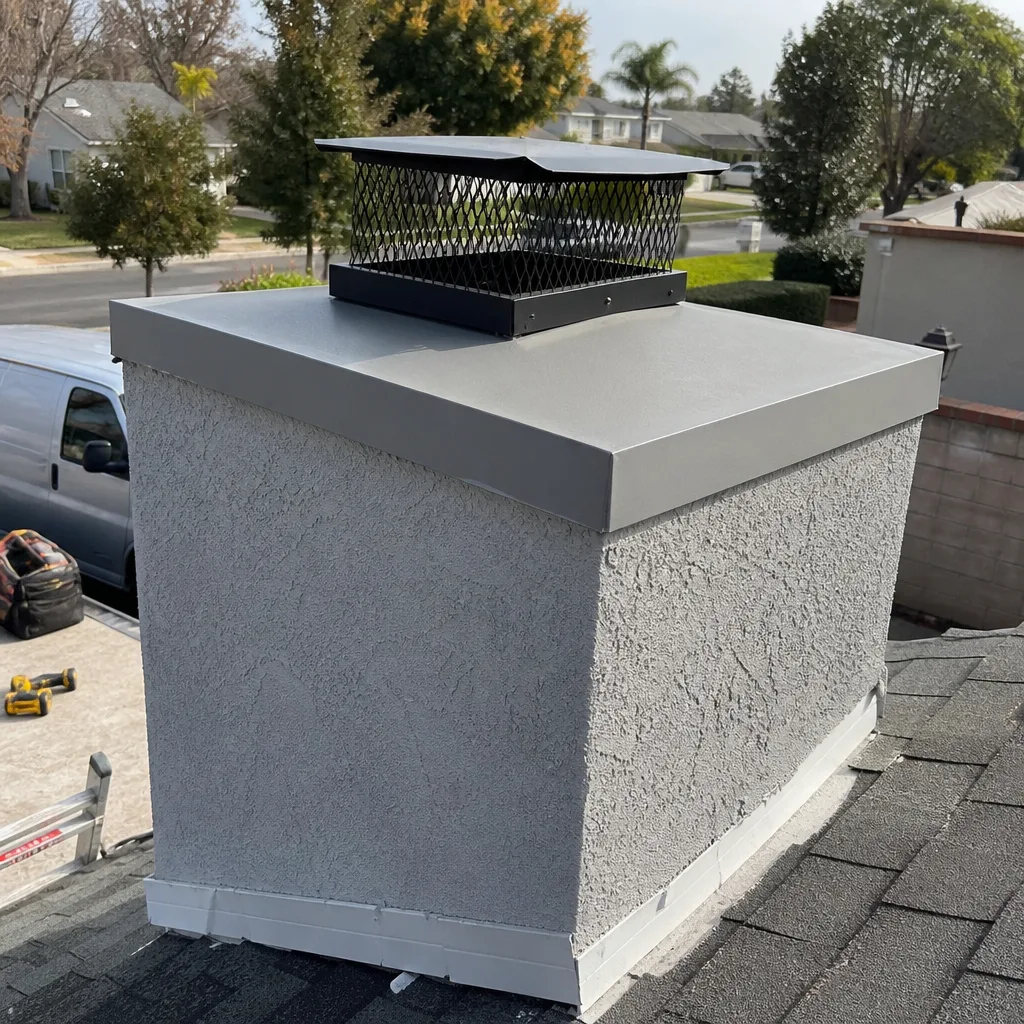 After
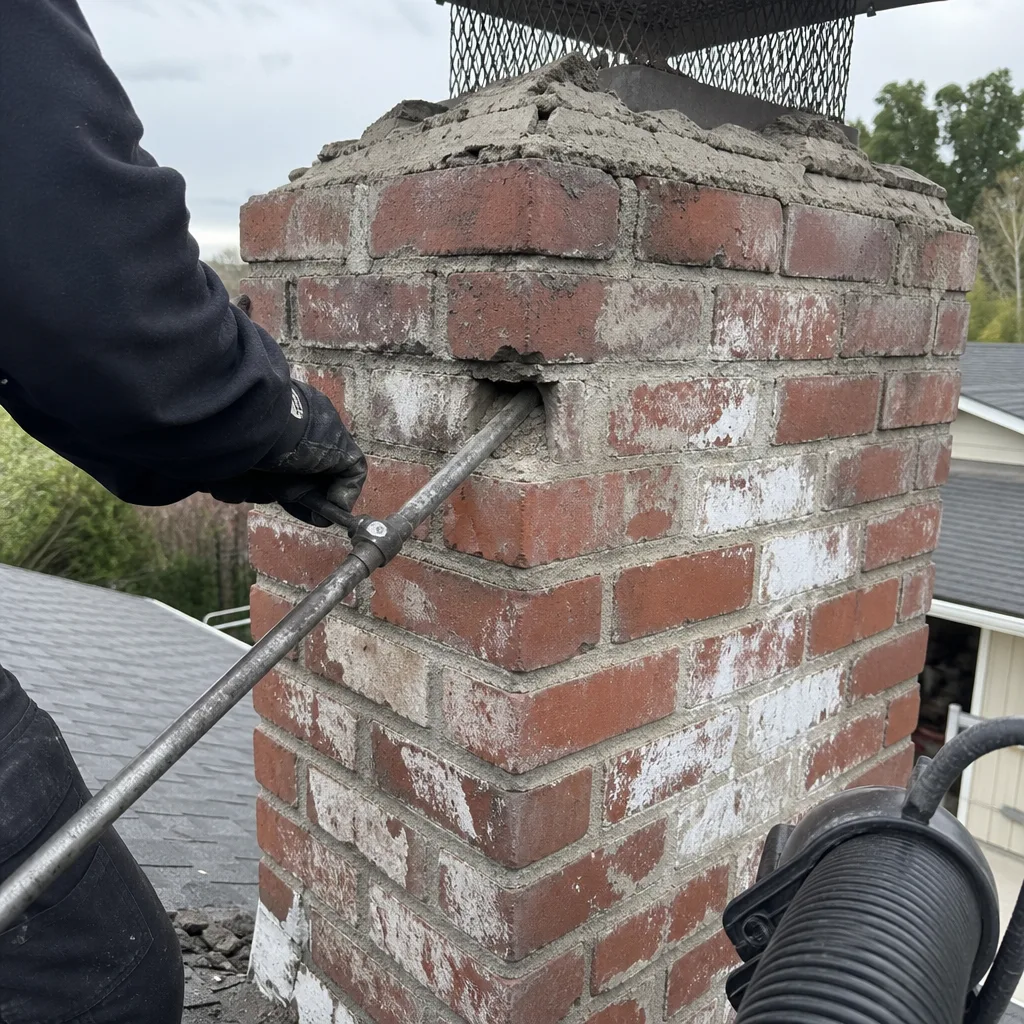 Before
 After
 Before
 After
The Bottom Line
Pocket’s chimneys fail in predictable ways: winter moisture attacks the crown, flashing, and masonry. Spring animals occupy unguarded flues. Fall burning season exposes the creosote and debris that accumulated unnoticed. A maintenance rhythm built around those local patterns, January for moisture, March for animals, May through September for the sweep, October for damper and gasket checks, prevents nearly every expensive repair we see in this area. Document what you observe, hire a specialist who can both diagnose and fix what they find, and you’ll never be surprised by your chimney again.
Schedule Your Chimney Sweep in Pocket
If your chimney hasn’t been inspected in the last twelve months, the best time to schedule was last May. The second best time is now. Meadow Chimney Sweep is a dedicated chimney and venting company serving Pocket. We handle chimney sweeping, chimney repair, and Dryer Vent Cleaning in Pocket as a core fire-safety service, not an upsell add-on. Call (855) 943-1461 for a free estimate. We’ll look at the system, show you what we see, and give you an honest read on what needs attention and what can safely wait.
Written by the team at Meadow Chimney Sweep, serving Pocket since 2018.