
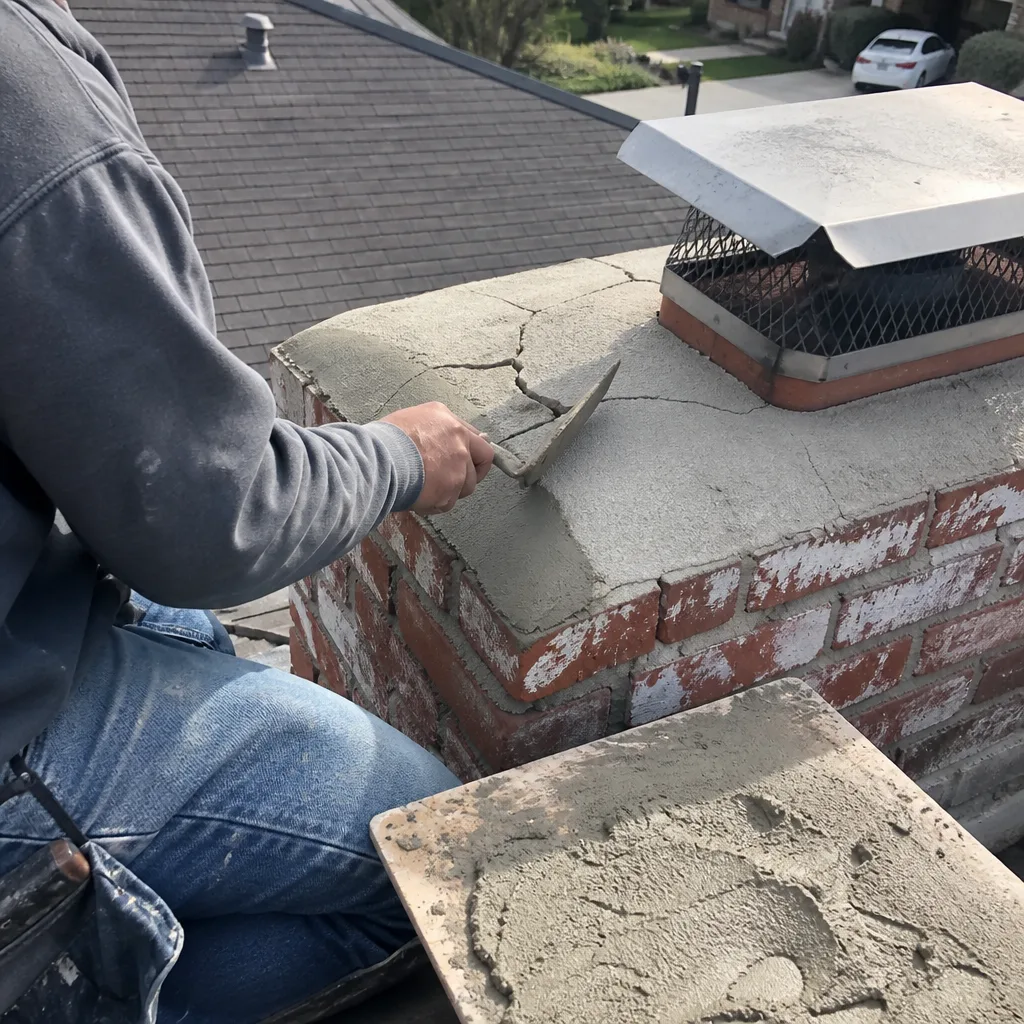
 Sweep & inspection
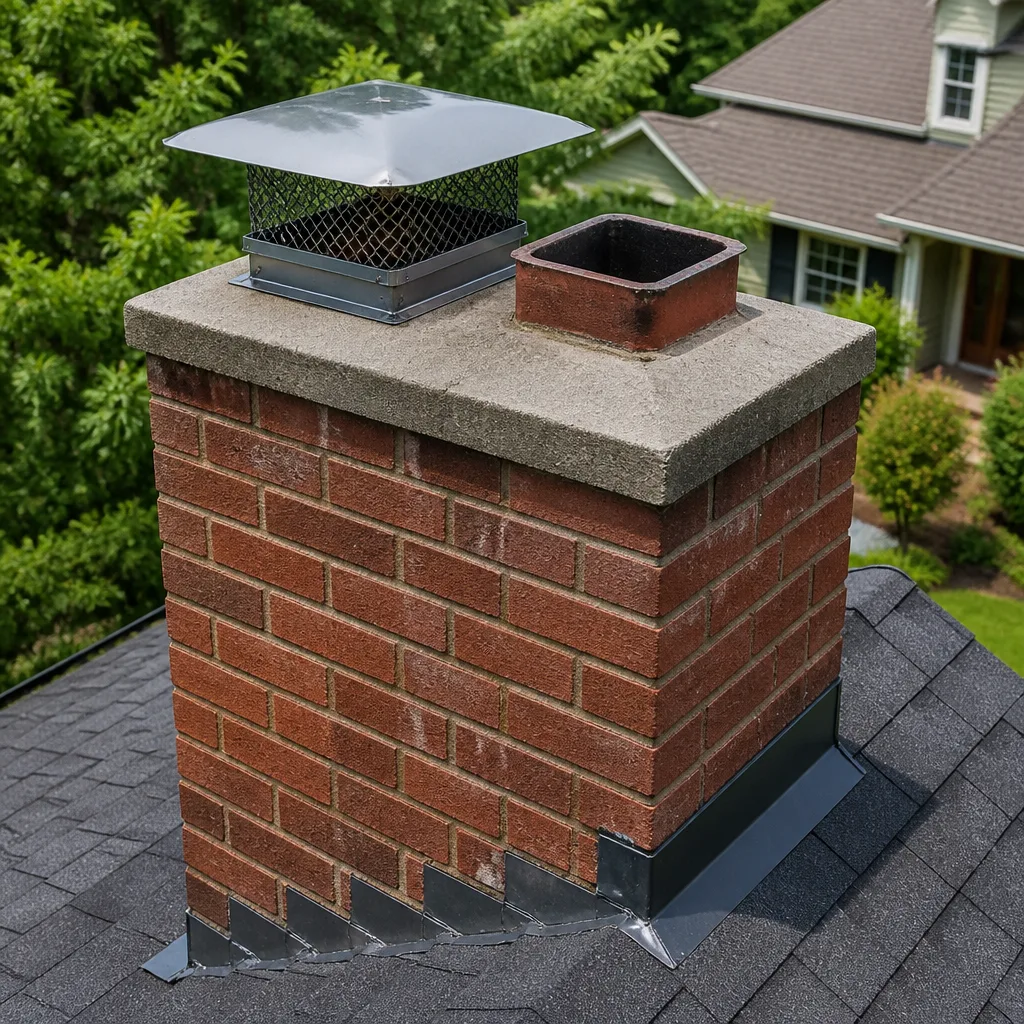
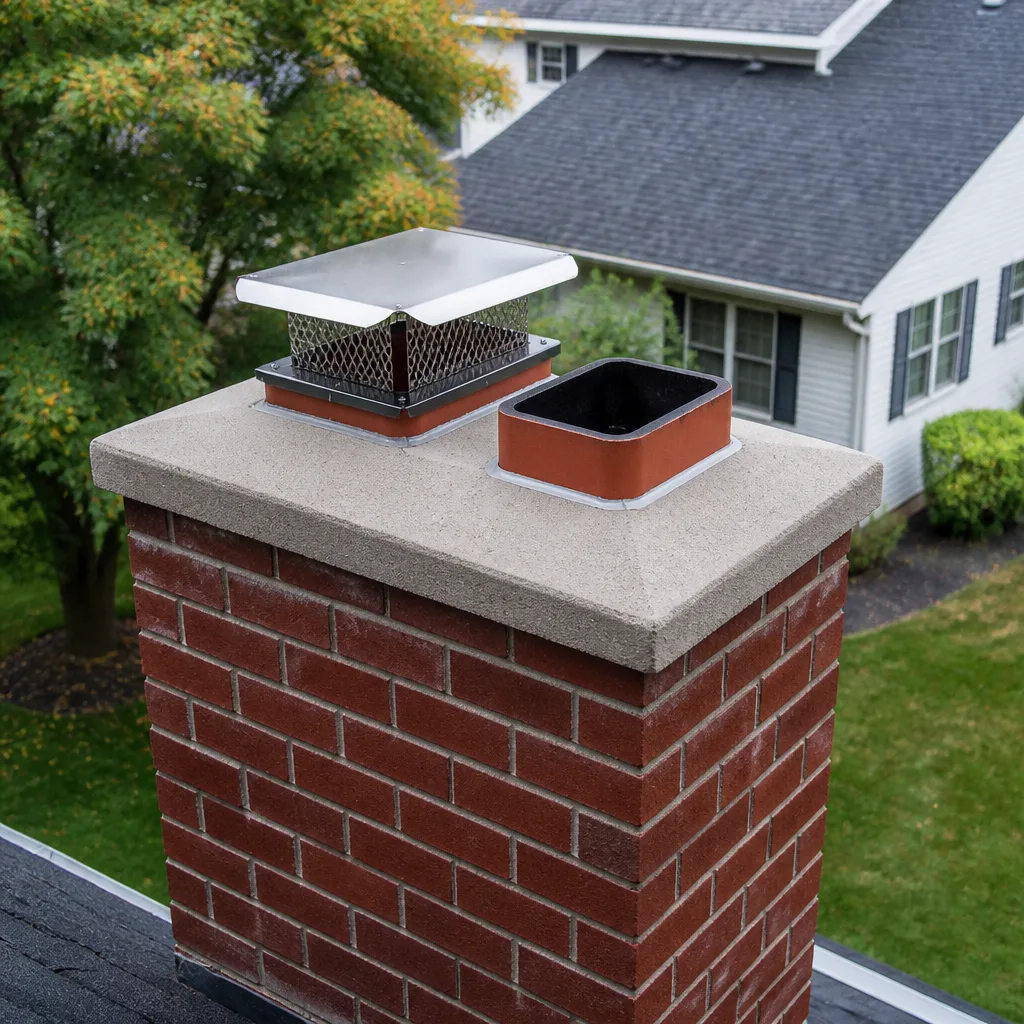 Caps & crowns
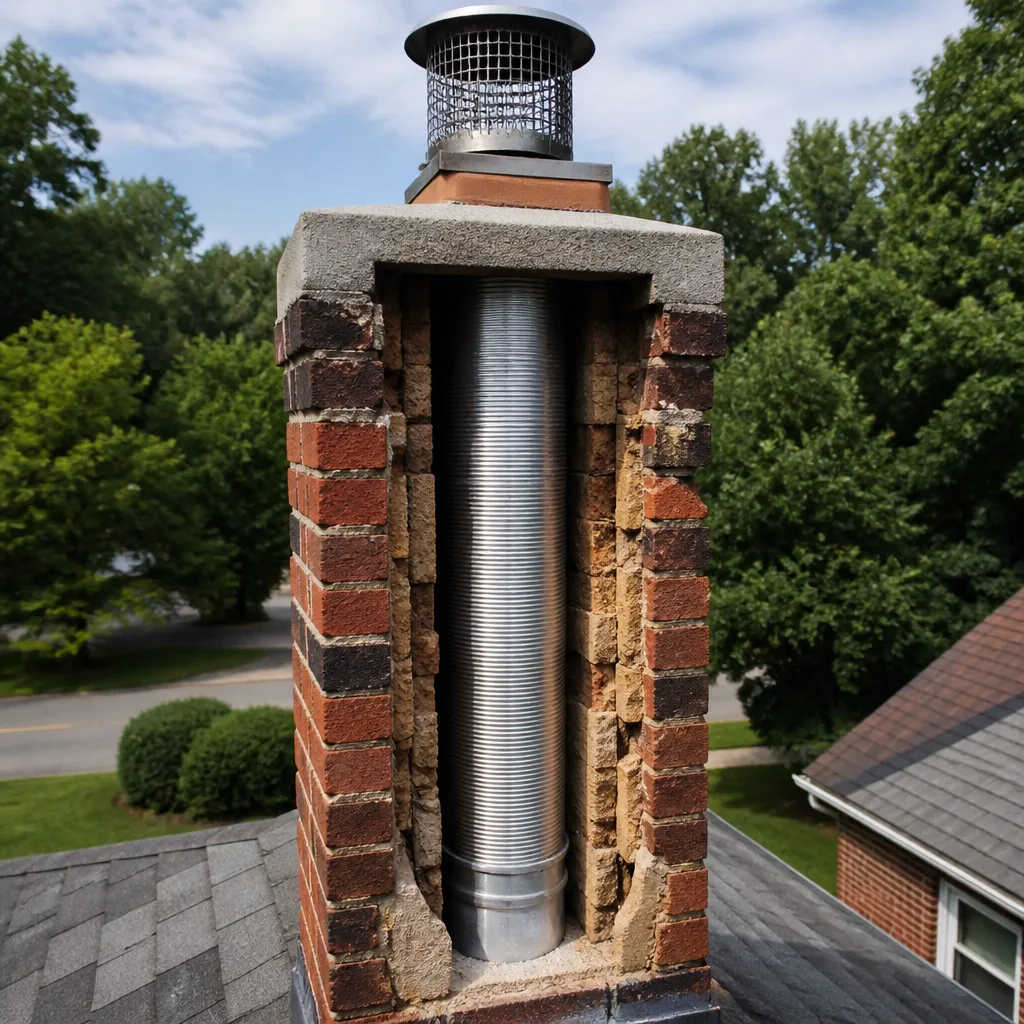 Flue relining
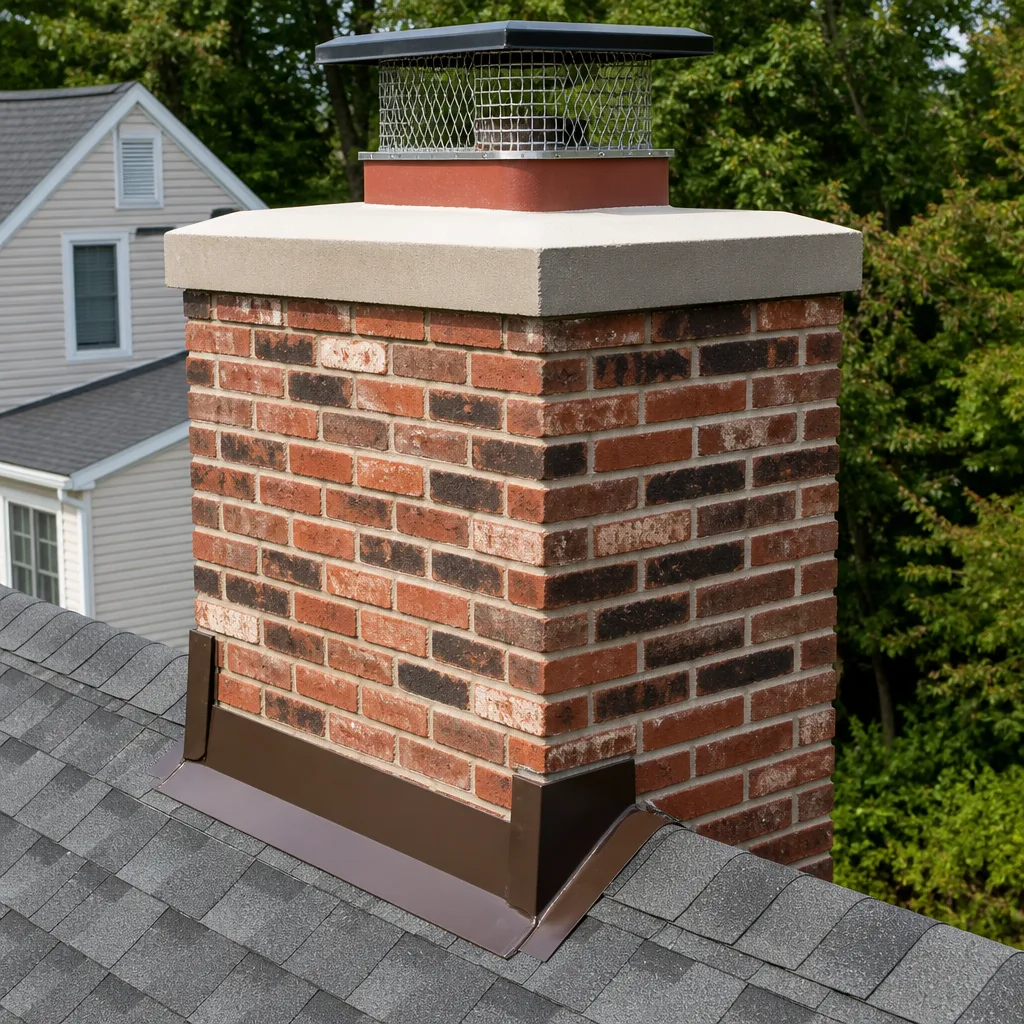 Masonry repair
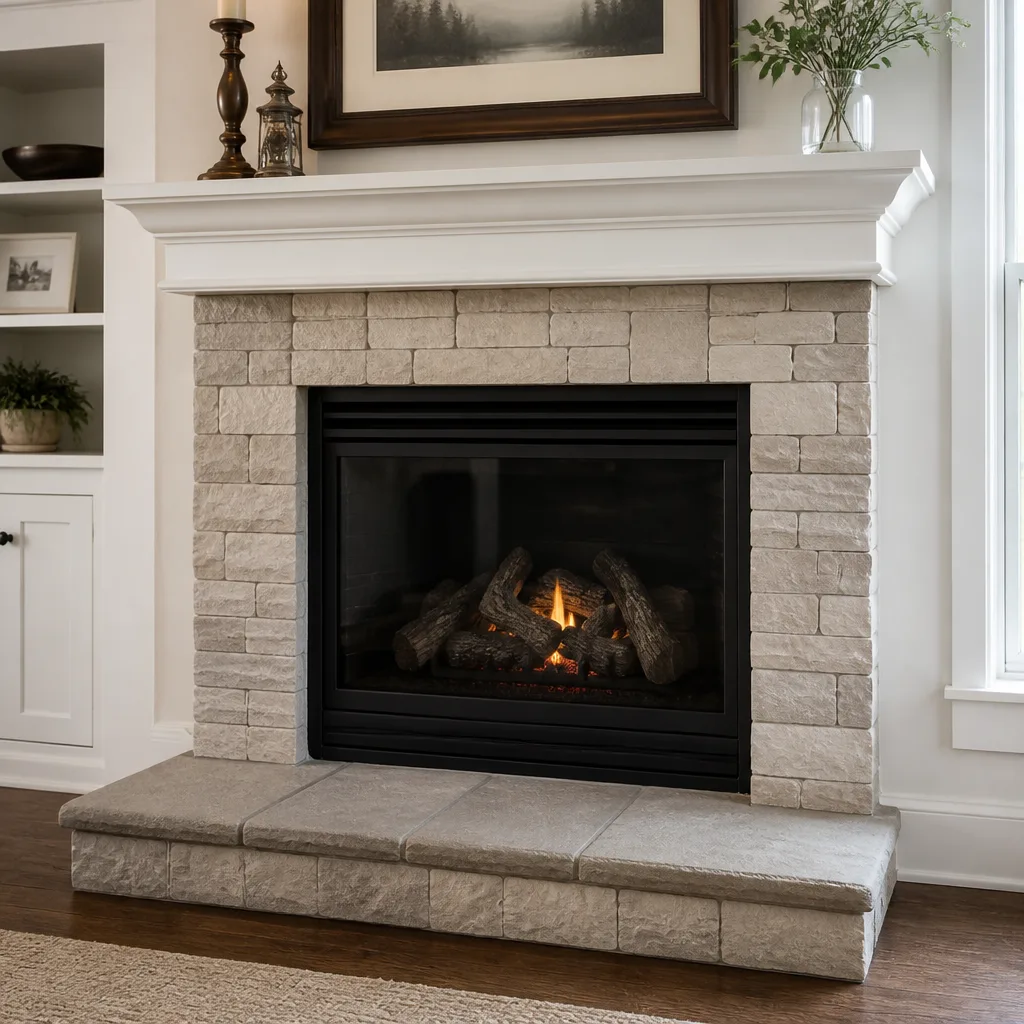 Gas fireplace service
Level 1 sweep and inspection to the NFPA 211 annual standard - flue, crown, cap, and flashing checked and photographed
Chimney sweep logs do not sweep chimneys. They loosen some creosote - which then falls where a brush and vacuum still have to collect it.
Trusted Chimney Repair for Pocket Homeowners
Chimney Repair in Pocket typically runs $350 – $2,800 depending on whether you’re addressing a cracked crown, a rusted cap, or a full liner replacement. Most repairs we handle in Pocket are done in a single visit once we’ve diagnosed the issue with a camera inspection. If you’ve noticed water staining on your ceiling near the fireplace, mortar crumbs in the firebox, or a draft that won’t behave, call Russell Tate and the crew at Meadow Chimney Sweep at (855) 943-1461. We’re chimney and venting specialists, not general contractors squeezing in a sweep between bathroom remodels, and we’ve built our reputation in Pocket on showing homeowners exactly what’s wrong before we touch a single brick.
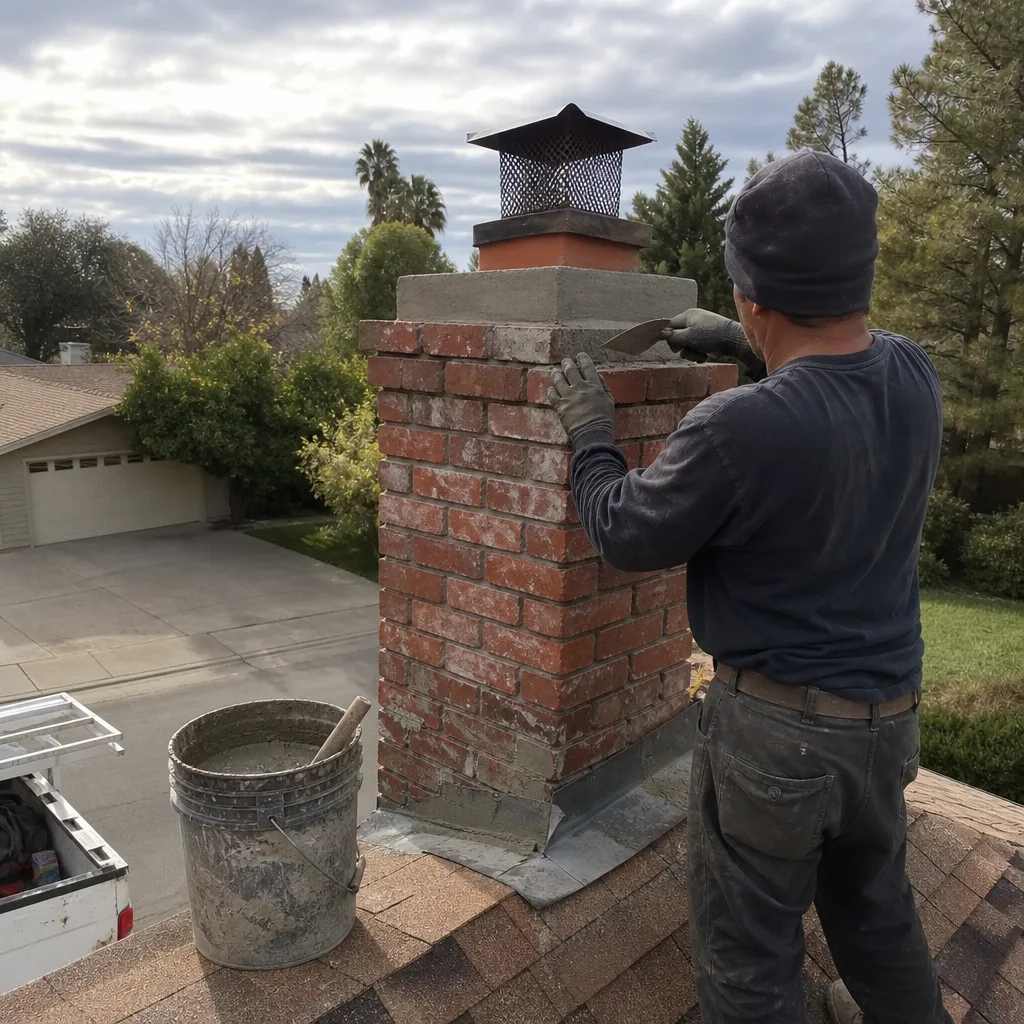
Chimney Cap Installation
Chimney Cap Installation is the single most cost-effective way to keep rain, birds, and debris out of a flue that currently has no cap or a badly undersized one. In Pocket, where oak leaves and pine needles find their way into uncapped chimneys every fall, a properly fitted cap pays for itself within a season or two by preventing animal nests and soaking rains that accelerate liner damage. We install stainless steel and copper caps matched to your flue’s actual dimensions, sized for proper draft rather than whatever is on the shelf. A new cap in Pocket generally runs $250 – $600 installed, depending on flue size and whether we need to fabricate a mounting bracket for an irregular crown.
When an uncapped flue becomes urgent
If you hear birds inside the chimney or smell something sour after heavy rain, you’re already past the point of should-have-done-it. Unlined masonry flues are especially vulnerable when water gets in, because moisture soaks into the mortar joints and freezes in winter, and that freeze-thaw cycle is what turns hairline cracks into structural problems. We’d rather install a cap now than quote a crown rebuild next spring.
Materials that hold up in Pocket weather
We use stainless steel caps for most installations because they resist the wet winters and dry heat that shorten the life of painted or galvanized caps. For homeowners who want something that blends with a tile roof or stucco exterior, copper caps age to a dark patina and typically outlast the home. Either way, the mesh we use is sized to block embers and birds without restricting draft, which matters more than most people realize.
Styles & brands we work with
- Sweep & inspection
- Caps & crowns
- Flue relining
- Masonry repair
- Gas fireplace service
Chimney Cap Replacement
Chimney Cap Replacement is called for when an existing cap is rusted through, missing sections, or so clogged with creosote and debris that it’s choking the draft. We see this often in Pocket homes built in the 1970s and 80s, where the original cap was galvanized and has spent three or four decades in direct weather. Replacement in Pocket typically costs $200 – $550, including removing the old cap, inspecting the flue tile underneath, and installing a new cap sized to the flue rather than a one-size-fits-most box. Meadow Chimney Sweep keeps common sizes on the truck, but we measure every flue before we recommend anything.
What a failing cap does to the rest of the system
Rust holes in a cap let rain directly into the flue, and that water doesn’t just sit there. It mixes with creosote to form an acidic slurry that eats at mortar joints and liner material. If your chimney cap is more rust than metal, the liner below it has almost certainly been exposed to years of moisture, and that’s something we want to look at with a camera while we’re up there.
Custom fit beats one-size-fits-most
Big-box caps often come in a few generic sizes and get shimmed or bent to fit, which leaves gaps around the edges. Gaps are where birds get in, where embers escape, and where your cap actually fails at the job it’s supposed to do. We measure the flue opening and crown surface, then fit a cap that sits cleanly and bolts or screws down without improvisation.
Chimney Liner Installation
Chimney Liner Installation means running a new stainless steel liner from the firebox to the top of the chimney, and it’s the right call when an existing clay liner is cracked, spalling, or absent entirely. In Pocket, the older ranch-style homes along the river side of Freeport Boulevard often have chimneys built without liners at all, which was code at the time but is now understood to be a fire risk. A standard stainless steel liner installation in Pocket runs $1,800 – $4,500, with the final number driven by flue height, diameter, and whether we’re insulating the liner. We install DuraFlex and Olympia Chimney liners because those are the brands certified chimney technicians across the country rely on, and we’d rather stock fewer brands and know them cold than offer a cheap substitute that won’t hold up.
When a camera inspection says “replace”
We don’t recommend a liner replacement without camera evidence, and we don’t expect you to take our word for it either. Our inspection camera shows the actual condition of the flue from top to bottom, and we review those images with you before any work is scheduled. If the liner can be repaired rather than replaced, we’ll say that plainly, because a liner we never install is a customer who still trusts us next time.
Insulated liners and older Pocket homes
When a masonry chimney has flue tiles that are cracked but not collapsed, code in most cases allows us to run an insulated liner down through the existing flue. The insulation keeps flue gases hot enough to draft properly while protecting the surrounding masonry from the heat. For chimneys with no clay liner at all, the insulation layer is even more important, and that’s a project we plan carefully rather than estimating from the driveway.
Chimney Flashing Repair
Chimney Flashing Repair addresses the metal barrier where the chimney meets the roofline, which is the most common source of chimney-related leaks in Pocket. Flashing fails when the sealant dries out, the metal pulls away from the mortar, or the roofline settles enough to break the seal. Repair costs in Pocket typically run $300 – $800, depending on whether we’re resealing a few seams or replacing sections of step flashing around the chimney base. It’s the kind of job a roofing contractor and a chimney company both claim, but a chimney repair specialist looks at the chimney side of that joint, where the leak usually starts.
How to tell if flashing is the culprit
A water stain on the ceiling near the fireplace is the classic sign, especially in Pocket homes after the first heavy rain of fall. Walk outside and look at the roofline around the chimney, and if you can see gaps in the sealant or metal lifting away from the brick, the flashing almost certainly needs attention. We’ll confirm with a hose test before we recommend the full repair, because sometimes the leak is actually in the crown and the flashing is fine.
Why resealing alone rarely lasts
Applying a fresh bead of sealant over failed flashing is the cheapest fix and also the shortest-lived one, because the underlying movement that cracked the old sealant is still there. We remove the failed material, inspect the roof deck around the chimney for rot and water damage, and install new flashing that moves with the house rather than against it. That’s the difference between a storm-season patch and a repair that holds up for another ten or fifteen years.
Chimney Crown Repair
Chimney Crown Repair fixes the concrete or mortar cap that covers the top of the chimney, and in Pocket it’s a job we book year-round because the damage is so predictable. Hairline cracks let in just enough water to swell and crack during freeze-thaw cycles, and once the crown starts spalling, it accelerates quickly. Crown repair in Pocket runs $600 – $1,800 depending on whether we’re sealing and patching an otherwise sound crown or demolishing and repouring the whole thing. We use Gelco crown coat for resurfacing work because it bonds to masonry, sheds water, and flexes enough to handle the temperature swings Pocket sees between January fog and August heat.
What happens when a crown keeps cracking
Water that gets through a cracked crown doesn’t run down the flue; it runs through the chimney chase itself, soaking the masonry, rusting the damper assembly, and eventually showing up as efflorescence or damp brick inside the home. By the time you can see white staining on the exterior brick, the crown has been leaking for longer than most homeowners guess. A crown repair is a lot cheaper than a rebuilt chimney chase, which is what an ignored crown eventually becomes.
Sealant vs. rebuild, an honest assessment
When we come out for an estimate, the first thing we do is determine whether the existing crown is structurally sound or whether it’s crumbling past the point of reasonable repair. If the cracks are superficial, a Gelco resurface is the right call. If the crown crumbles when tapped with a screwdriver, we’ll tell you it’s a rebuild, and we’ll show you photos that explain why.
Chimney Repair Companies
Chimney Repair Companies in Pocket range from true chimney specialists to general contractors who list chimney work among fifteen other trades, and the difference shows up when the job gets complicated. Meadow Chimney Sweep is the first type: a dedicated chimney and venting operation that carries professional-grade repair materials and doesn’t subcontract the work to whoever’s available. When you’re comparing chimney repair companies, ask whether the crew on site does masonry and liner work every week, or whether they’re fitting it in around kitchens and bathrooms. In Pocket, our typical repair visit runs $350 – $2,800 depending on scope, and before we quote anything we show you the evidence for why the work is needed.
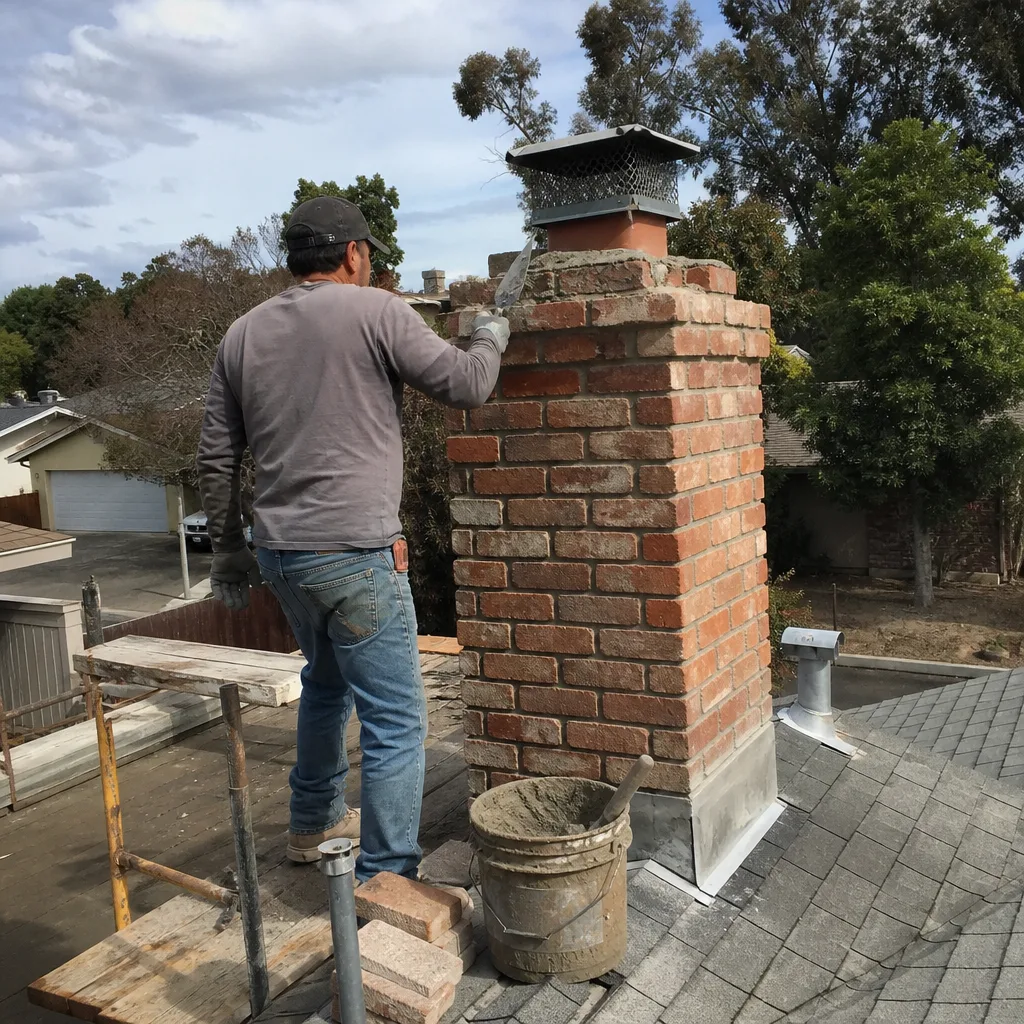
What a specialist notices that a generalist misses
Chimney repair is a category where the diagnosis matters more than the repair itself. A roofer sees flashing, a mason sees brick, and a general contractor sees a roof penetration; a chimney specialist sees the whole system from firebox to cap. We routinely find that a leak another contractor attributed to flashing is actually a crown issue, and vice versa, and correcting that first diagnosis usually saves the homeowner money.
One call covers the sweep and the repair
Because Meadow Chimney Sweep does both cleaning and repair, a defect found during a sweep doesn’t mean waiting for a second company to come out, quote, and schedule. We can often address minor masonry repairs, cap replacements, and flashing fixes on the same visit. For larger jobs like liner installation, we’ll schedule promptly and you’ll already have the camera images that explain exactly what’s getting done.
Chimney Masonry Repair
Chimney Masonry Repair covers the brick, mortar, and stonework that make up the chimney structure itself, and in Pocket the most common need is repointing of weathered mortar joints. Mortar in this region breaks down from rain, fog, and decades of temperature swings, and the joints erode from the top down. Basic repointing in Pocket runs $500 – $1,500 for a typical single-story chimney, while partial rebuilds and firebox repair run higher depending on access and material matching. We use Copperfield masonry products and mortar mixes graded for historic brick, because the wrong mortar hardness can actually damage softer older bricks.
How to spot masonry that needs attention
Run your hand along a mortar joint, and if it crumbles under light pressure, the joint is already failing. You may also see missing mortar, spalled brick faces, or a subtle lean in the upper chimney that wasn’t there a few years ago. Masonry problems compound, and letting joints fail is how a $600 repointing job becomes a $4,000 rebuild.
Matching brick in an older neighborhood
Pocket has its share of mid-century homes with brick that isn’t made anymore, and a patch job with the wrong brick looks worse than the original damage. We source salvaged and matched brick before we start, and we’ll show you samples so you know what the repair will look like before the mortar sets. If the repair is high enough that most people can’t see it, we’ll say so, because not every job needs cosmetic perfection.
Brands We Service
Meadow Chimney Sweep works with DuraFlex liners on the majority of our stainless steel relining projects, and we’ve come to trust their 316L alloy for wood-burning and gas applications alike. The material flexes enough to navigate older flues with offsets, and we’ve installed enough of them in Pocket to know exactly how they perform through our wet winters. We also stock DuraFlex components on the truck so a liner job doesn’t stall waiting on a part.
For crown repair and masonry sealing, we use Gelco products because they’re designed specifically for chimney weather exposure, not repurposed from driveway or foundation work. Olympia Chimney caps and termination kits show up regularly in our repairs when a homeowner wants a hooded cap or a custom flue termination. Whether you’ve got a chimney that needs one of these systems or something we’ll diagnose on the first visit, our approach is the same: show you the problem, quote the fix, and do the work with materials we’d put on our own homes.
See the difference
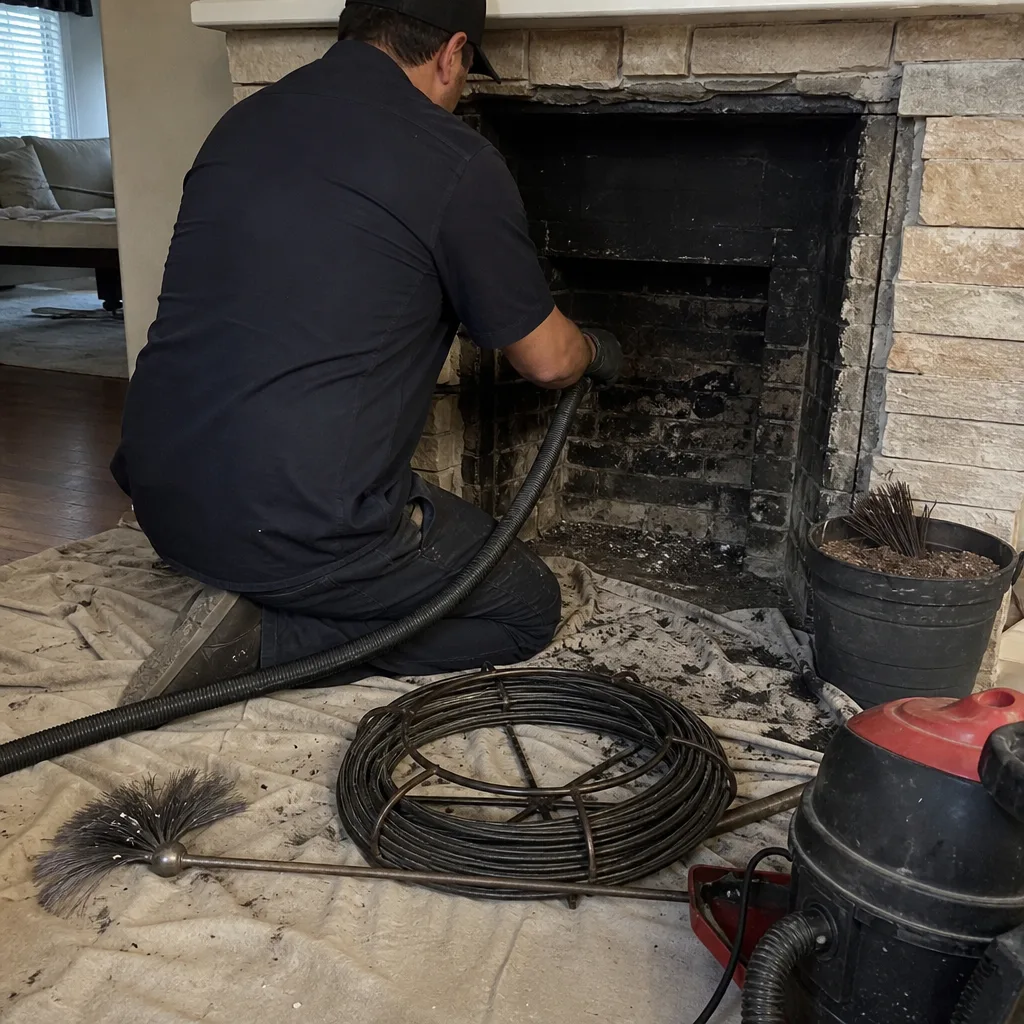 Before
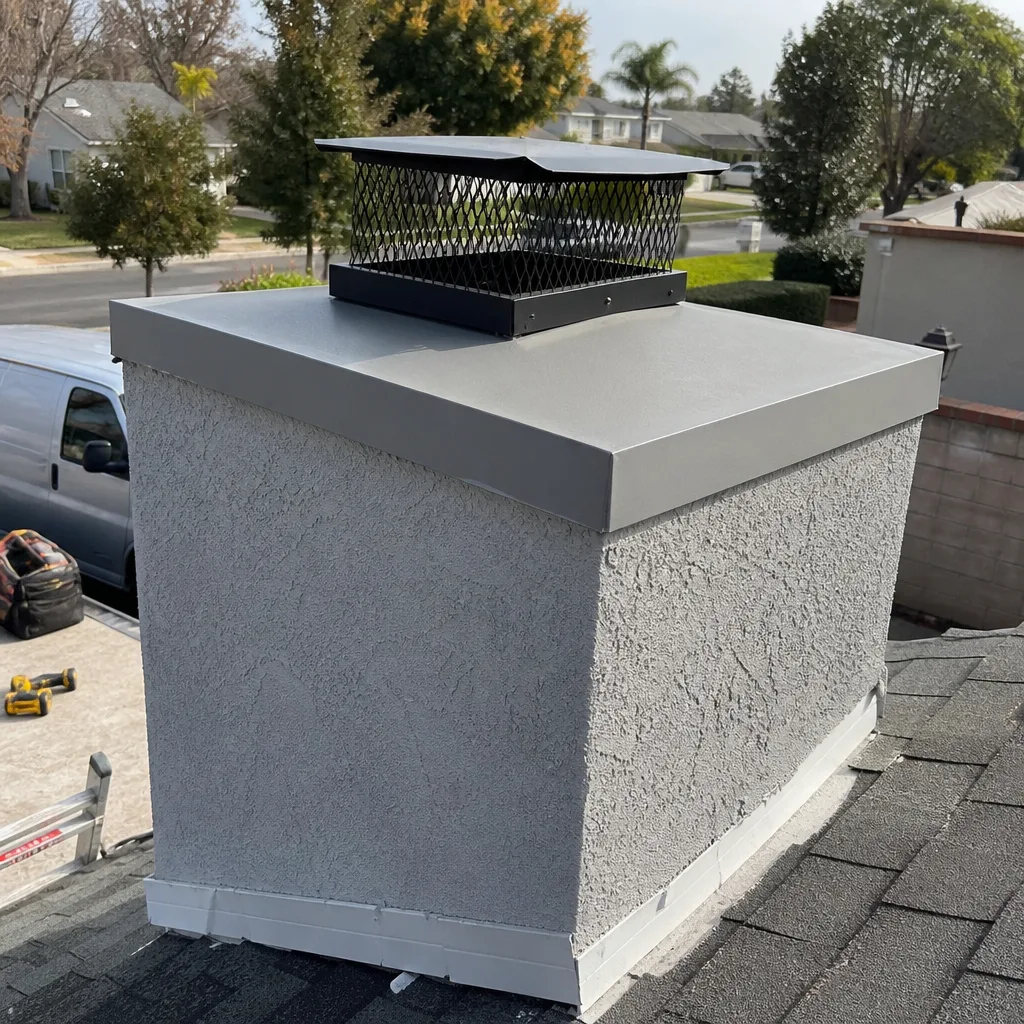 After
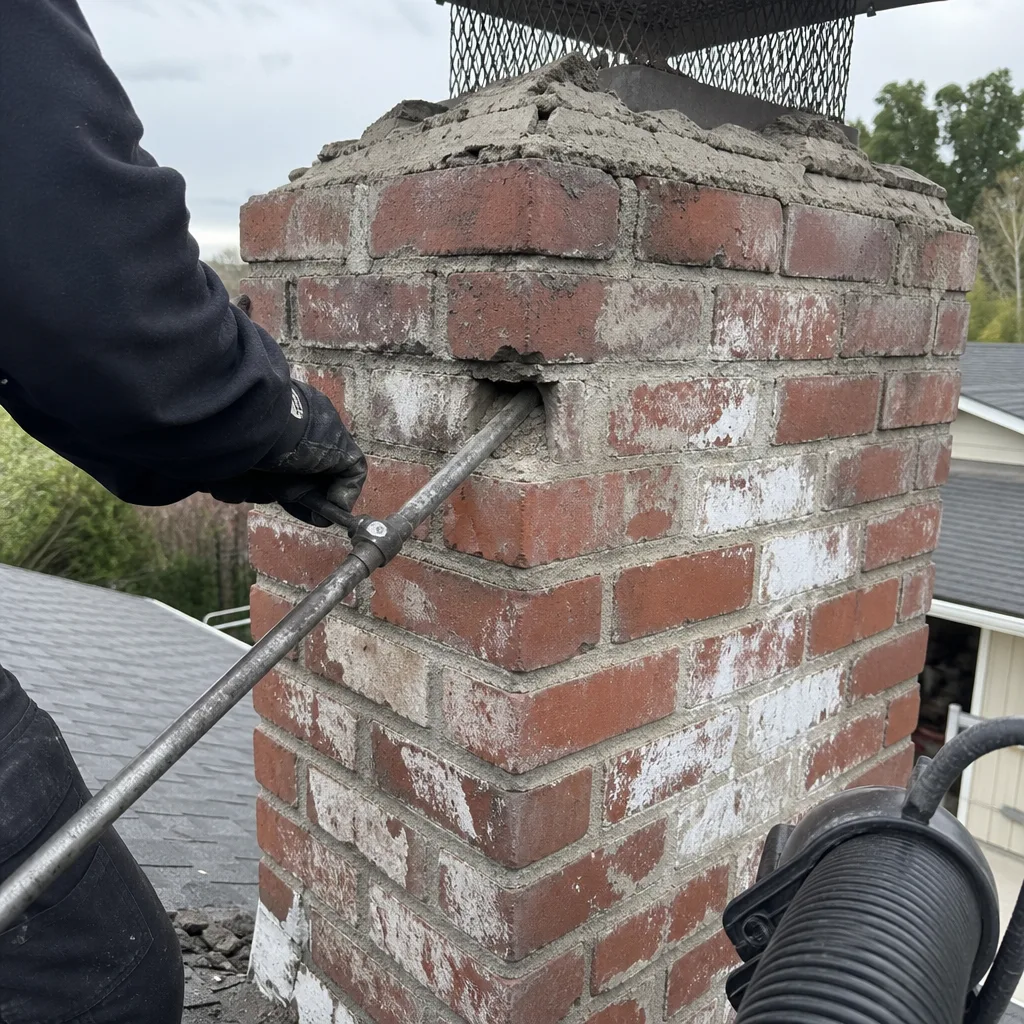 Before
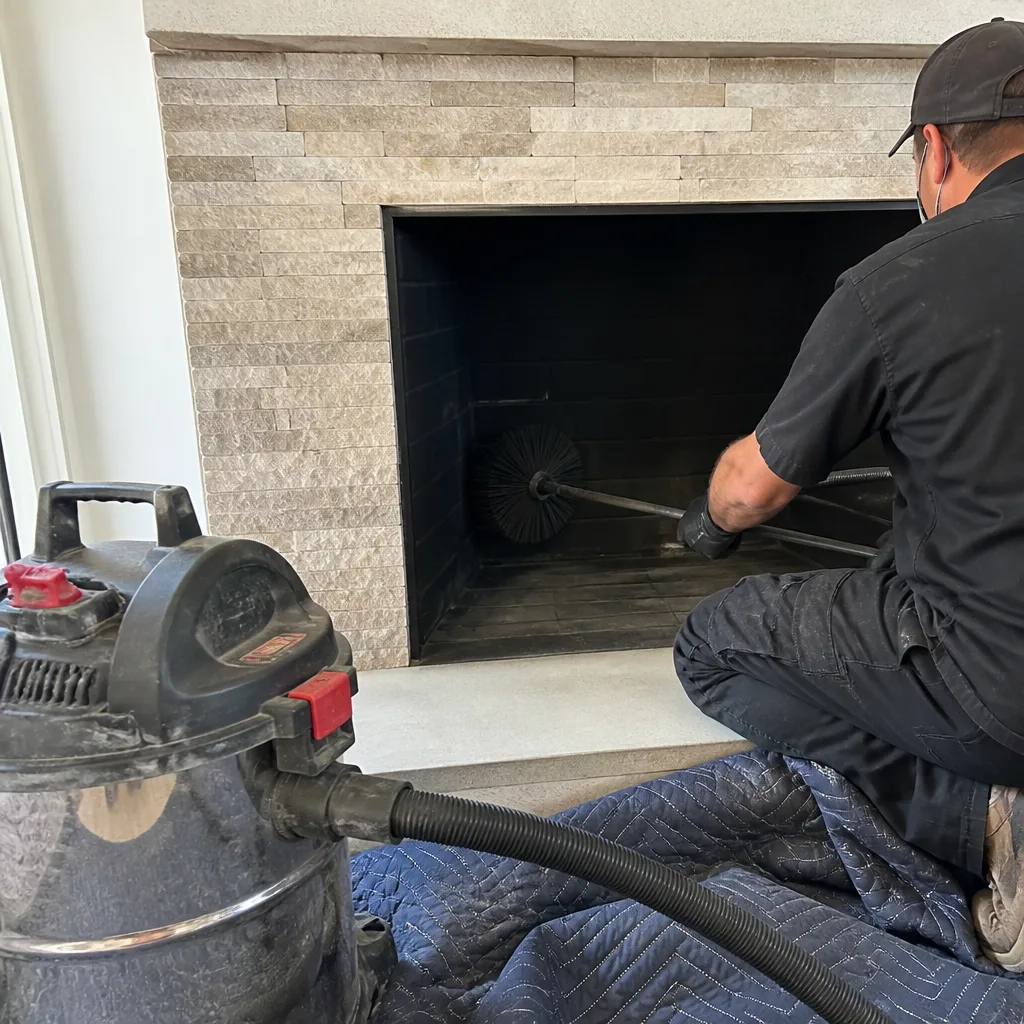 After
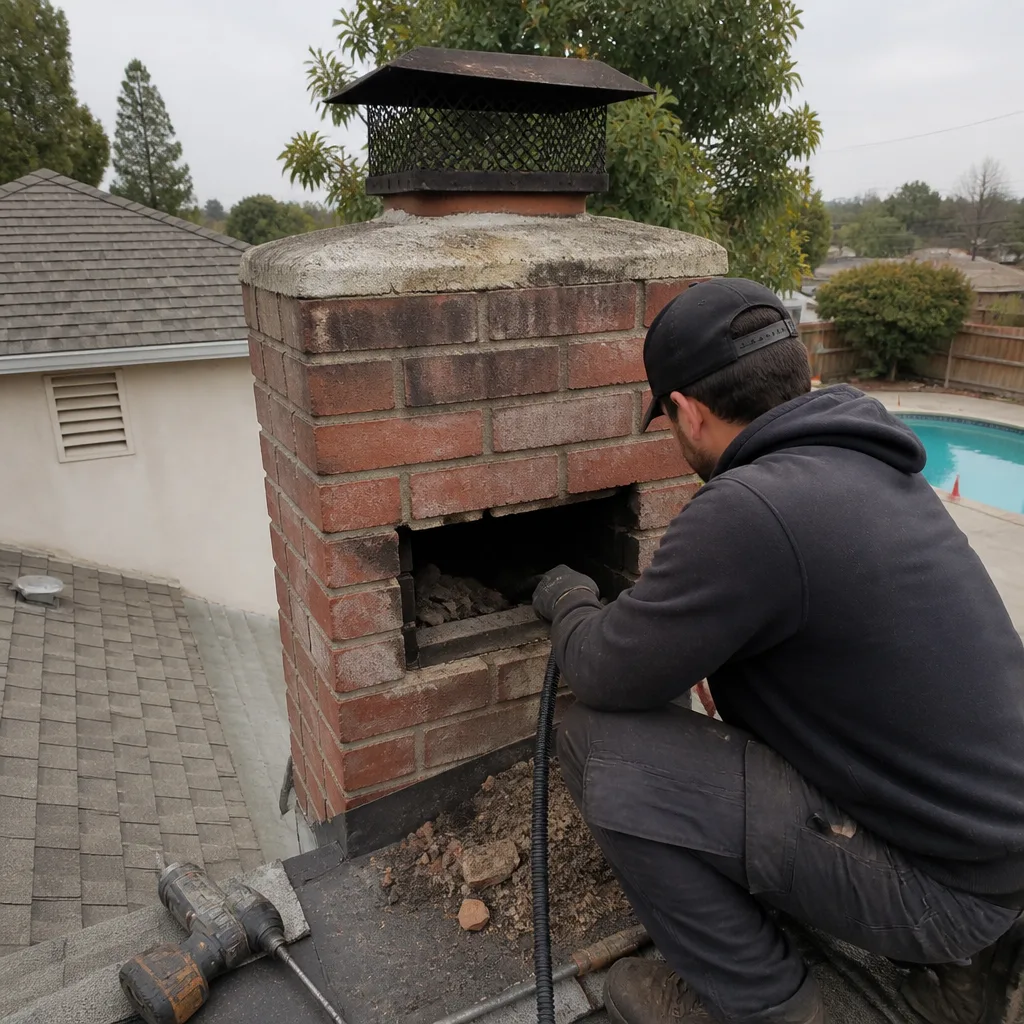 Before
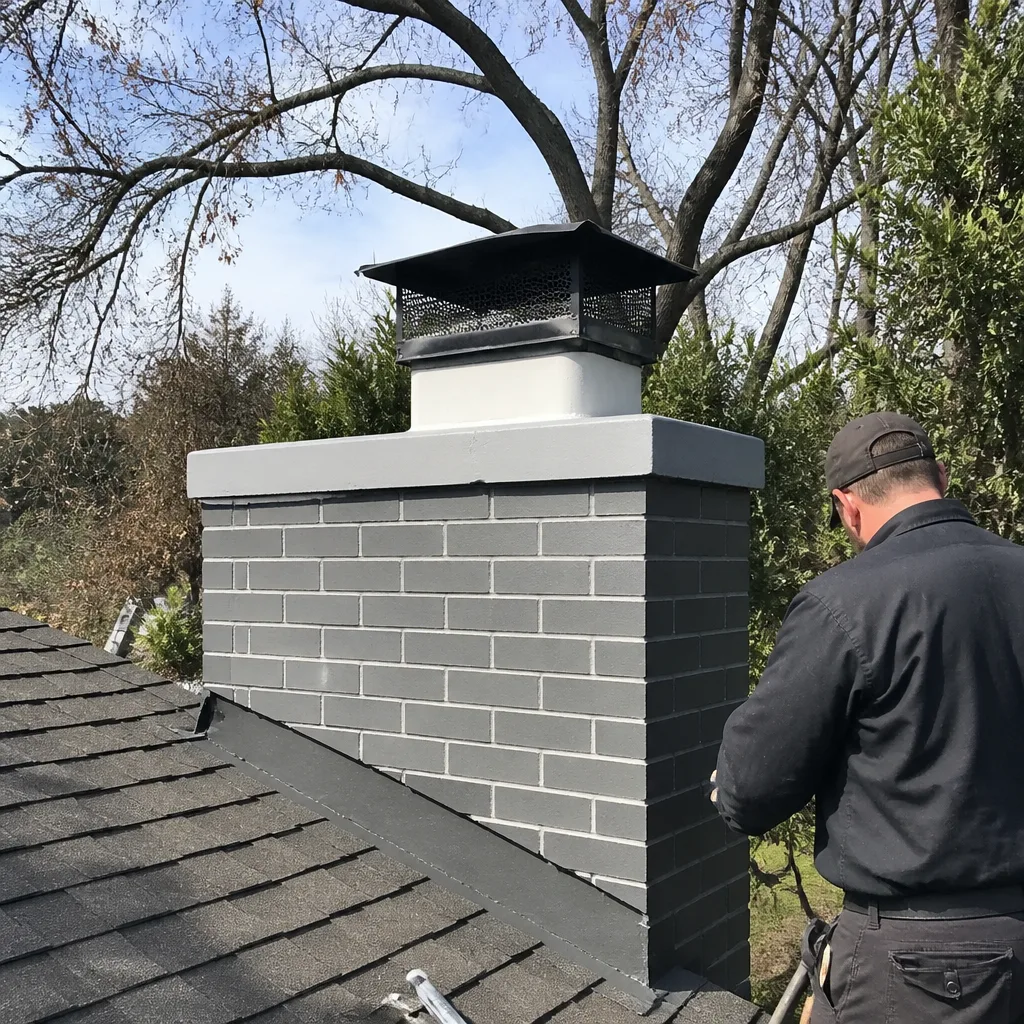 After
Signs You Need a Pro Right Now
- Water staining on the ceiling or wall near the fireplace. This means water is getting past the flashing, the crown, or both. In Pocket, the first heavy storm after a dry summer is when these leaks announce themselves, and the damage only worsens while it waits.
- Mortar crumbs or sand-like grit in the firebox after a rain. That grit is disintegrating masonry from somewhere above the firebox, usually the crown or the upper flue. It’s evidence of active water intrusion, not just an old chimney settling.
- Rust on the damper, the cap, or the firebox doors. Moisture is getting in and sitting there long enough to oxidize metal. Even a small amount of rust suggests the flue has been wet repeatedly, and the source needs to be found now rather than after the next storm.
- A draft that has changed noticeably, either weaker or stronger. When a fireplace suddenly draws poorly, something has changed: a collapsed flue tile, an animal nest, or a cap that’s now blocked by debris. The sooner it’s inspected, the sooner you know whether you’re looking at a simple cleaning or a structural repair.
- White staining on the exterior brick. Efflorescence means water is migrating through the masonry and carrying salts to the surface. In Pocket’s freeze-thaw climate, that moisture in the brick will do gradual but real damage every winter it’s left unaddressed.
Our Process, Step by Step
- 1
Visual inspection from the ground and the roof. We start by looking at the chimney from grade level and then from the roofline, checking the cap, crown, flashing, and masonry with a practiced eye. Most chimney repair problems leave visible evidence, and this walkaround tells us where to focus.
- 2
Camera inspection of the flue interior. We run a camera from top to bottom to document the actual condition of the liner or flue tile. You’ll see the images yourself, because we don’t expect anyone in Pocket to authorize a repair on trust alone.
- 3
Written estimate with honest scope. You’ll get a written quote that breaks out what’s actually needed, and we’ll tell you plainly if something can wait. If the urgency is real, we’ll explain why with the evidence in hand, not pressure tactics.
- 4
Repair work on schedule. We confirm access needs, protect the work area, and complete the repair with the professional-grade materials we’ve already named. For most cap, crown, and flashing jobs, the work is done in a single visit.
- 5
Post-repair inspection and documentation. We photograph the finished work and review with you what was repaired and what we recommend watching going forward. You’ll leave with a clear record of what was done, and we’ll make notes for future service if you want them.
How Much Does Chimney Repair Cost in Pocket?
A typical chimney cap replacement in Pocket runs $200 – $550, flashing repair runs $300 – $800, and a full stainless steel liner installation runs $1,800 – $4,500 depending on flue height and whether insulation is required. See our guide on how much Chimney Repair costs for more detail on pricing factors. Crown repair on a single-story chimney usually falls between $600 and $1,800. Masonry repointing runs $500 – $1,500 for a standard chimney, and partial rebuilds go up from there based on access and brick matching. What affects the price most is the height and accessibility of the chimney, the condition of the existing masonry, and whether the flue needs a liner rather than a repair. To avoid overpaying, ask for a camera inspection before authorizing any liner work, and don’t accept a quote that bundles services you didn’t ask for. Every Meadow Chimney Sweep estimate includes the camera inspection, written scope, and the photos that justify it. Call (855) 943-1461 to have Russell out to take a look, and you’ll know exactly what you’re dealing with before you spend a dollar.
Our Service Area Near Pocket
Meadow Chimney Sweep handles Chimney Repair in Pocket and the surrounding Sacramento communities, including Greenhaven, Elk Grove, Florin, Meadowview, and West Sacramento. We schedule repairs throughout the South Sacramento area and typically reach Pocket addresses within a day or two of your call. For homeowners in North Sacramento or Arden-Arcade, give us a ring and we’ll let you know when we have a crew in that part of town. Back to home for the full list of what we do.
Serving Pocket, CA – Our Local Coverage Area
We’re based in the Pocket area and know this community well. Use the map below to see our service coverage – if you’re nearby, we can almost certainly help.
Frequently Asked Questions About Chimney Repair in Pocket
Chimney repair is any work that restores the structural or functional integrity of a chimney, from replacing a rusted cap to repointing brick to installing a new stainless steel liner. In Pocket, the most common repairs address water intrusion through the crown, flashing, or damaged masonry. A repair differs from a sweep in that it’s correcting a defect rather than routine maintenance, though the two often happen on the same visit with Meadow Chimney Sweep.
Most cap replacements, flashing repairs, and crown resurfacing jobs in Pocket are completed in one visit of two to four hours. Liner installation takes longer, typically a full day including setup and camera verification. Masonry work depends on the extent of the damage, but standard repointing is usually done in a day. We’ll give you a time frame in the written estimate so you can plan around it.
Chimney repair in Pocket typically runs $350 – $2,800 for most single-visit jobs, with liner installation running $1,800 – $4,500 as the upper end of that range. The variables that matter are chimney height, access difficulty, material condition, and whether the flue needs relining. Call (855) 943-1461 for a free estimate, and we’ll give you an exact price with the evidence to back it up.
Yes. We work with DuraFlex, HeatShield, Gelco, and Olympia Chimney systems regularly, but the repair we quote is based on your chimney’s actual condition rather than a brand requirement. Most chimneys in Pocket are masonry rather than prefabricated, and the principles of repair apply across the board. If you have a specific brand or system you’d like us to confirm compatibility with, call us and we’ll tell you honestly.
Our scheduling in Pocket is flexible, and we can often accommodate a same-week inspection when a leak is active or a chimney has become unsafe to use. True emergencies like a chimney fire demand 911 first and a structural assessment after. If you’re uncertain whether your chimney is safe to use, stop using it and call us at (855) 943-1461.
Materials we use from manufacturers like DuraFlex and Gelco carry their own warranties, and we’ll walk you through what is and isn’t covered before the work begins. For workmanship, we stand behind what we install, and we’ll put that in writing. Ask us about specific warranty terms when we come out for the estimate.
Clear the area around the fireplace and make sure we have access to the roof through your preferred route, whether that’s a ladder at the side of the house or a gate that needs to be unlocked. Move any furniture that could be affected by dust, and keep pets secured while the crew is on site. We’ll confirm the details when we schedule, but those few steps make the visit go smoothly.
Schedule Your Chimney Repair Service in Pocket Today
Meadow Chimney Sweep is ready to inspect your chimney, show you exactly what’s wrong, and quote a repair that makes sense for the condition we find. Call (855) 943-1461 for a free estimate from Russell Tate and a crew that does chimney and venting work the only way we know: thoroughly, honestly, and with professional-grade materials. Serving Pocket, Greenhaven, Elk Grove, and the surrounding Sacramento area.
Written by Russell Tate, Owner at Meadow Chimney Sweep, serving Pocket since the company’s founding.