
Last updated November 2, 2026
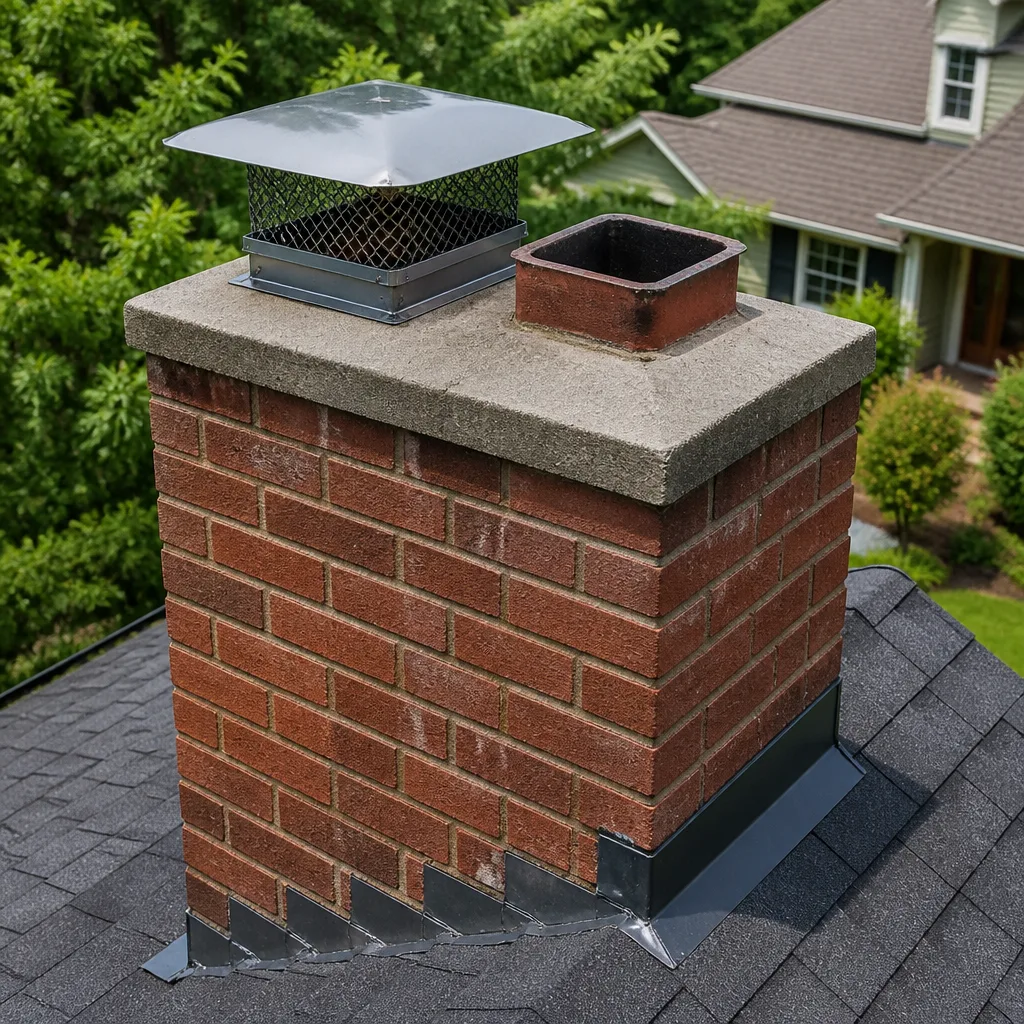 Sweep & inspection
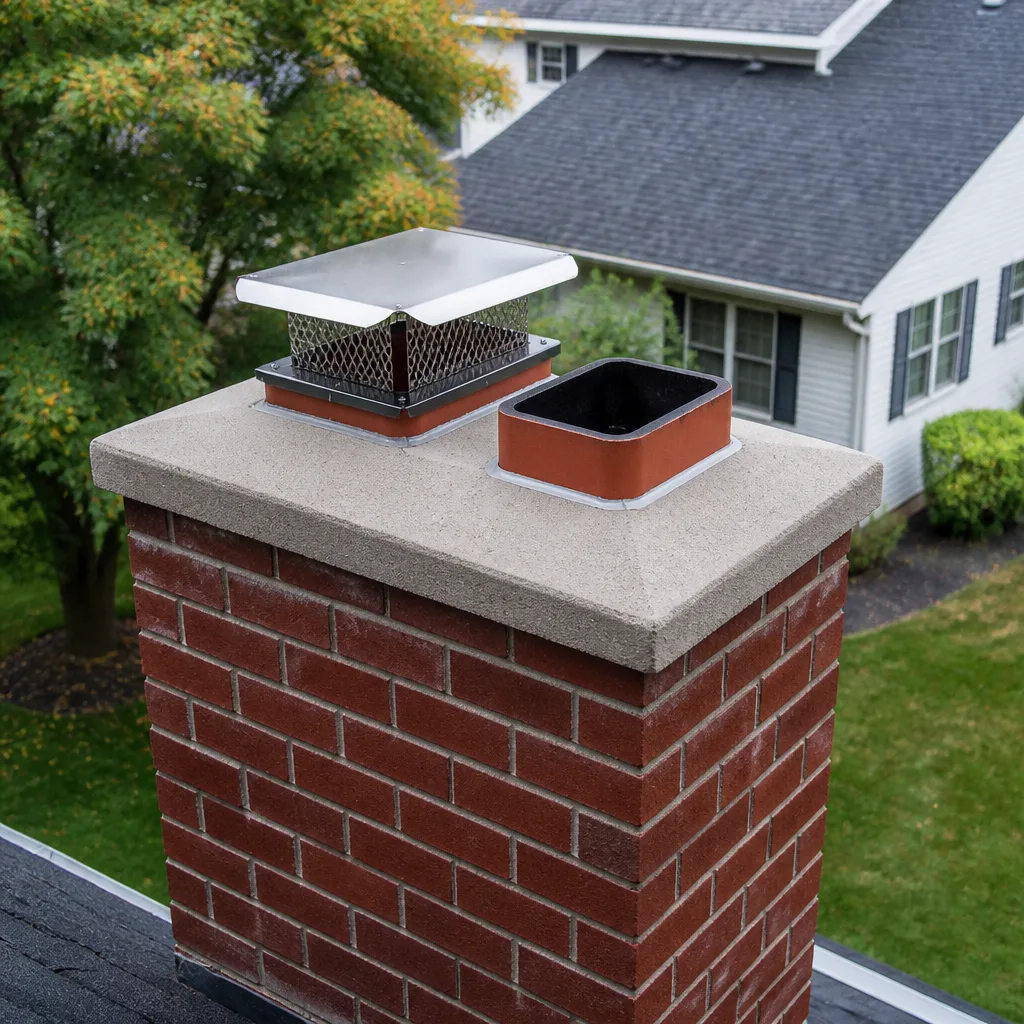 Caps & crowns
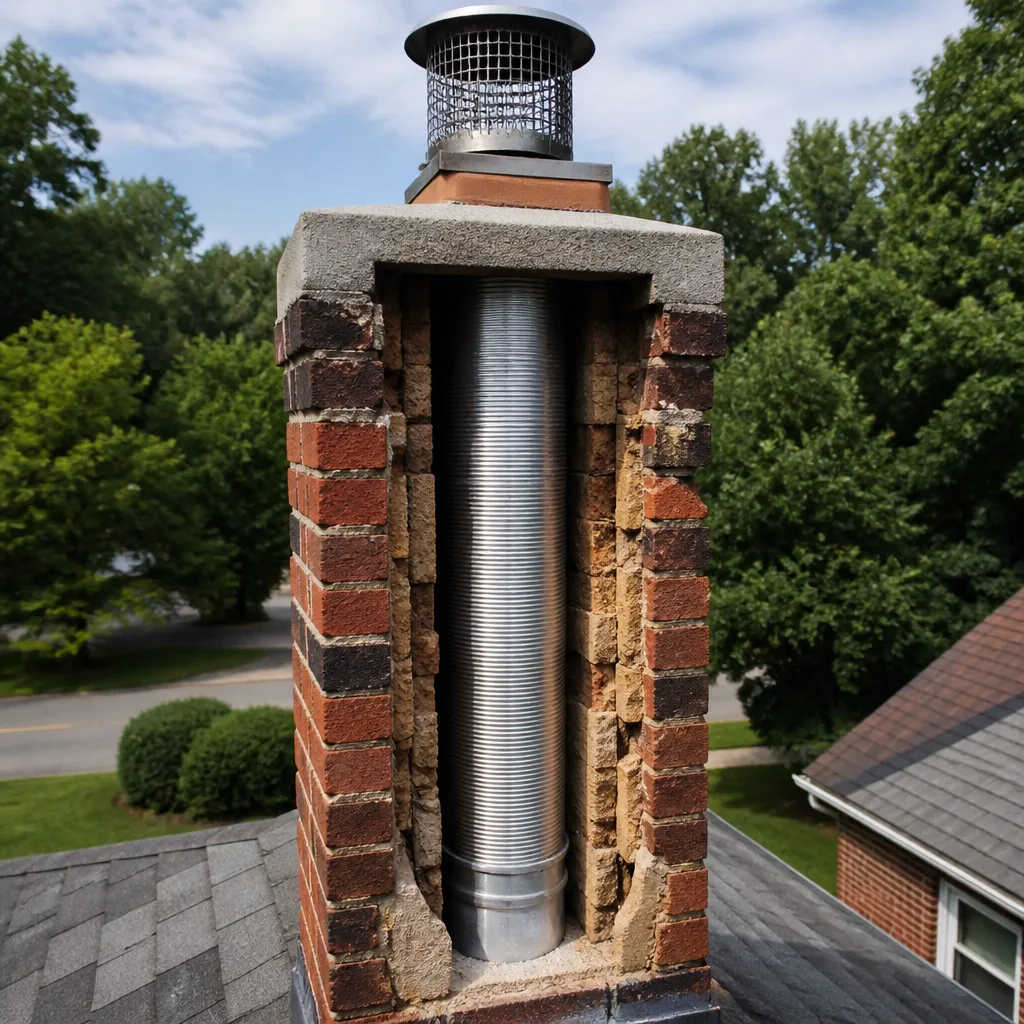 Flue relining
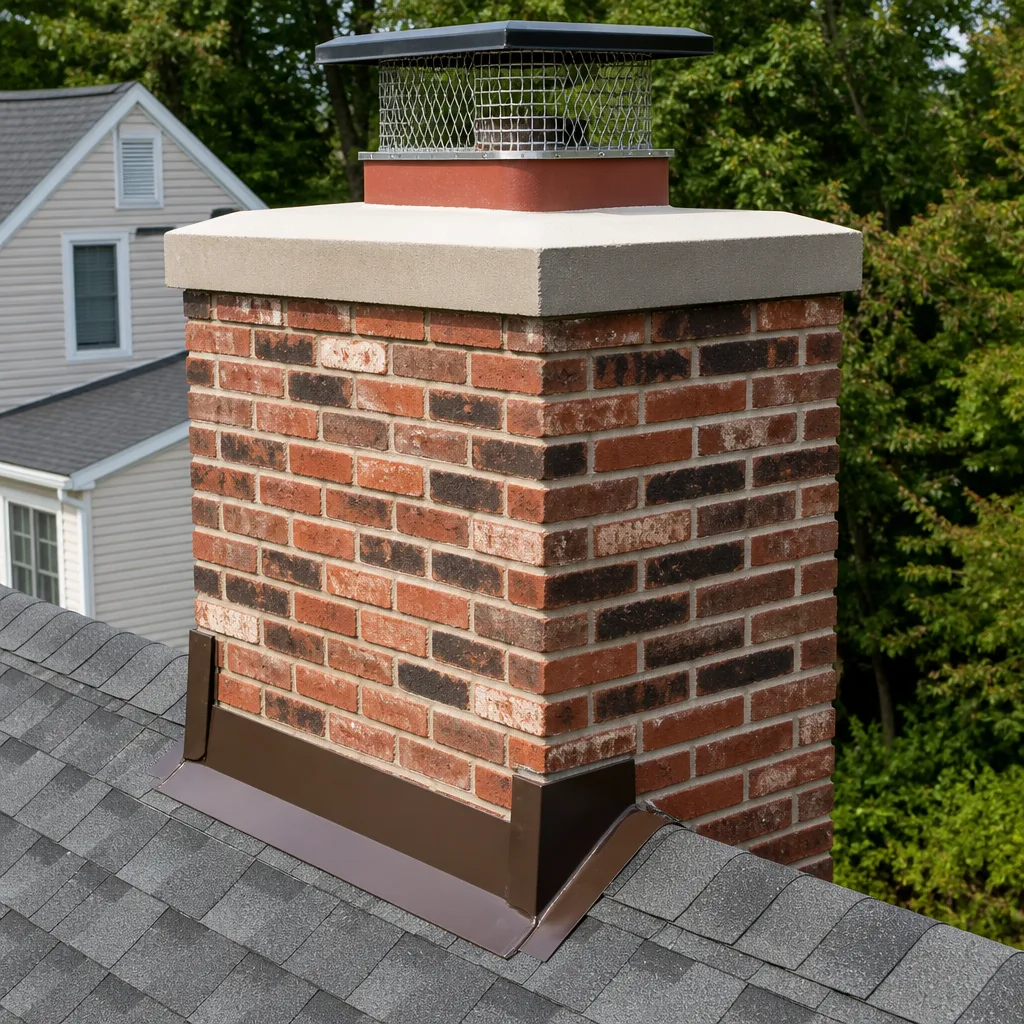 Masonry repair
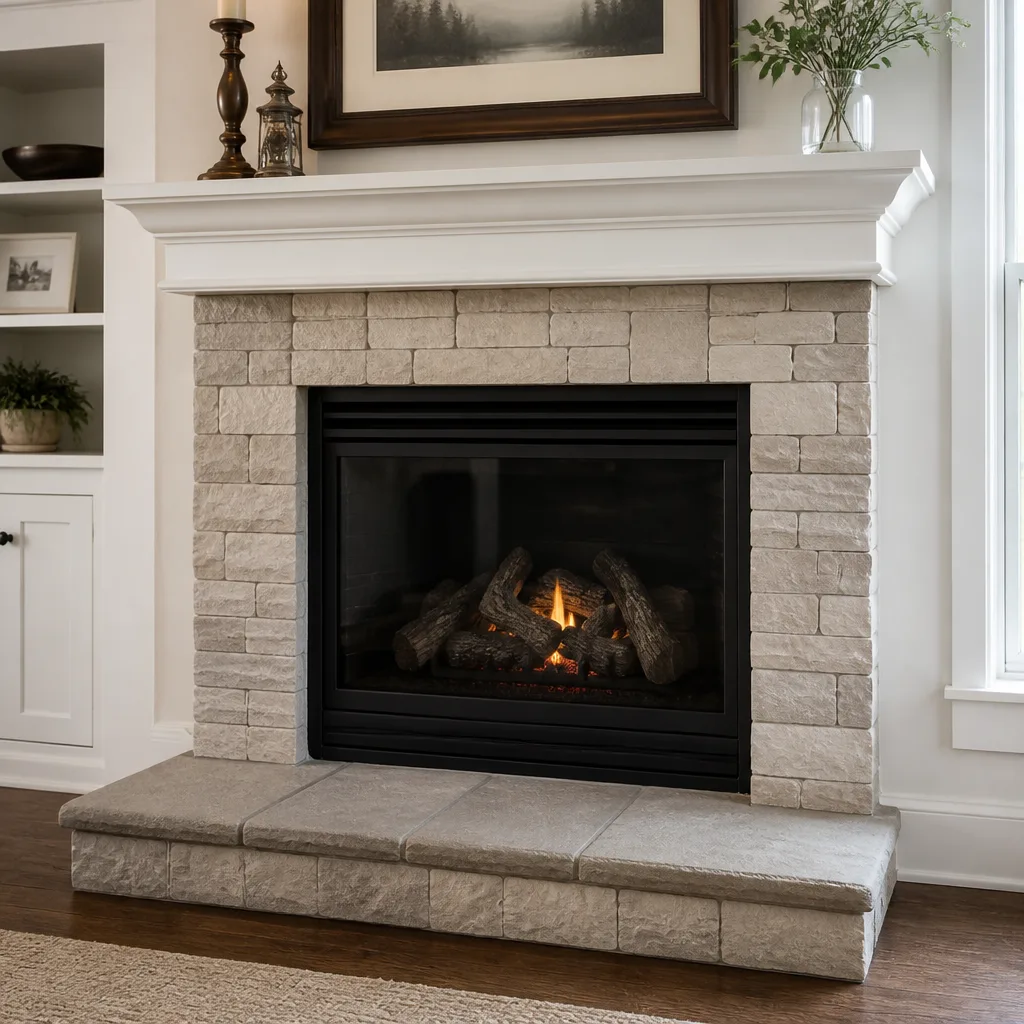 Gas fireplace service
Level 1 sweep and inspection to the NFPA 211 annual standard - flue, crown, cap, and flashing checked and photographed
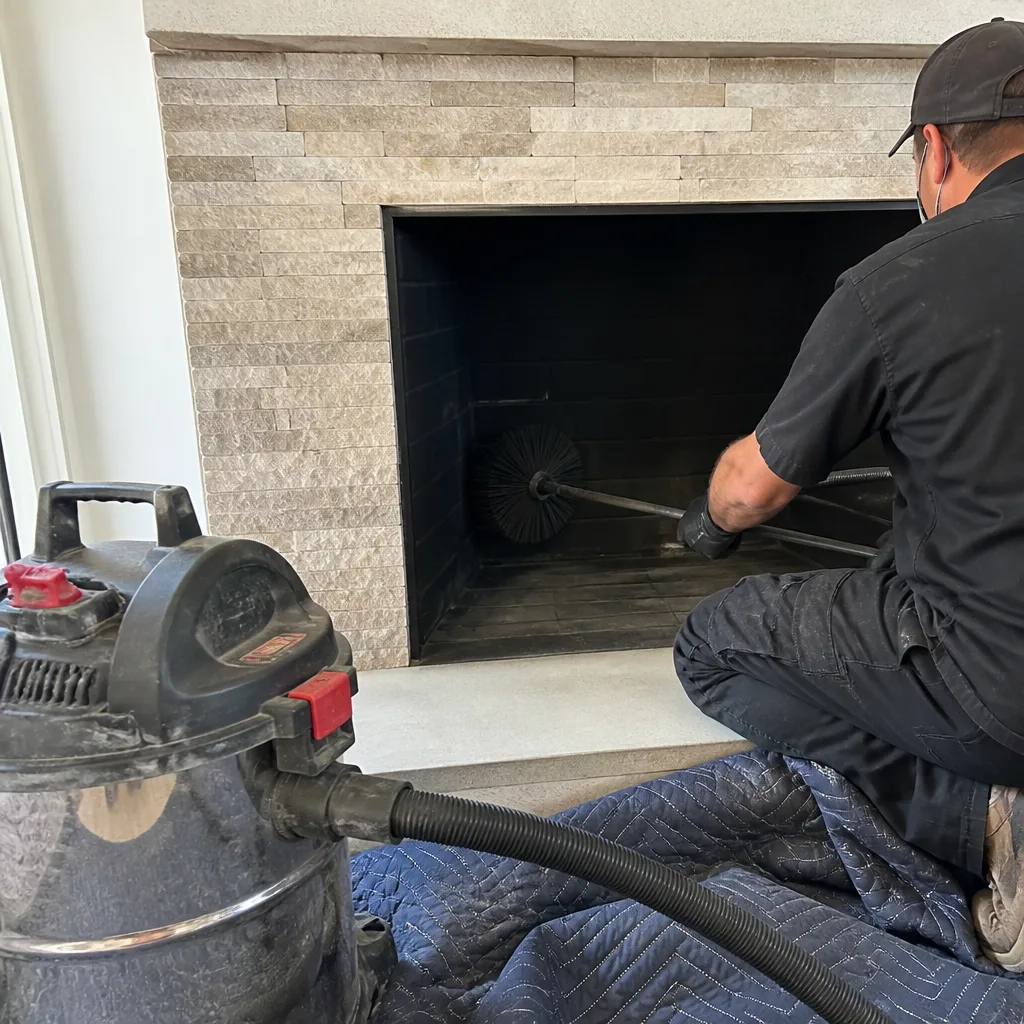
Chimney sweep logs do not sweep chimneys. They loosen some creosote - which then falls where a brush and vacuum still have to collect it.
Chimney Cleaning Emergency Preparedness Guide for Pocket Homes
A chimney fire burns at over 2,000°F. It can roar through your flue, crack your liner, and be over before the fire department arrives. And here’s the part most Pocket homeowners don’t realize: hundreds of chimney fires in Sacramento County each year are never reported, because the homeowner didn’t know one had occurred until a sweep showed them the creosote that had glazed into a hard, glassy shell. This guide will walk you through recognizing a chimney fire, what to do in the first thirty seconds, how our local emergency response works, and how your cleaning schedule directly determines whether your chimney is a fire risk or a safe heat source. For Chimney Cleaning Warning Signs: A Pocket Homeowner’s Reference Guide, see our companion resource.
Styles & brands we work with
- Sweep & inspection
- Caps & crowns
- Flue relining
- Masonry repair
- Gas fireplace service
Quick Answer
The core of chimney fire preparedness in Pocket is simple: a swept chimney doesn’t fuel a chimney fire. See our Chimney Sweep Maintenance Checklist for Pocket Homeowners to keep yours on schedule. Creosote, the tar-like byproduct of wood combustion, is the fuel source for 90% of chimney fires, and a professional sweep removes it before it can ignite. If a chimney fire starts while you’re home, you call 911 first, close the damper if you can safely reach it, evacuate everyone from the house, and wait for Sacramento County fire crews before using the fireplace again, even if everything looks fine from the outside.
Table of Contents
- Recognizing an Active Chimney Fire in Pocket
- The First Steps: What to Do, What Not to Do
- What Sacramento County Fire Response Looks Like
- Post-Fire Protocol: The Level 3 Inspection
- How Cleaning Frequency Reduces Chimney Fire Risk
- Pocket-Specific Risk Factors: Climate, Decks, and Older Construction
- Building a Chimney-Aware Home Evacuation Plan
- Common Mistakes to Avoid
- When to Call a Professional
- Frequently Asked Questions
- The Bottom Line
Recognizing an Active Chimney Fire in Pocket
A chimney fire is not subtle. But if you’ve never heard one, you might mistake it for something else: a low-pitched rumble that sounds like a freight train passing a block over, or a freight jet idling at altitude. Some homeowners describe it as a sound like a giant vacuum cleaner running inside the wall. In Pocket homes with two-story layouts, the sound often carries through the second-floor hall and gets written off as the heater cycling on. Don’t make that mistake.
Visual signs are equally loud. Sparks or flames emerging from the chimney cap are the most obvious indicator, most visible from the back deck or yard at night. Through the glass of a wood-burning insert or fireplace door, you may see the firebox acting like a forge: the fire you built is mild, but the firebox itself seems to be drawing air like a bellows and glowing at the seams. The third sign is heat. When a chimney fire is burning in the flue, the firebox wall radiates heat far beyond what a normal fire produces, enough that you can feel it on your face from several feet away. In our experience in Pocket, the most reliable warning is the sound. It doesn’t stop and start like a wood fire does. It’s sustained and strange, and it doesn’t belong.
If you suspect a chimney fire, treat it as one. The cost of a false alarm is a phone call. The cost of a missed one is a damaged flue liner, a cracked masonry chimney, or an attic fire in a Pocket home with wood framing close to the chimney chase.
The First Steps: What to Do, What Not to Do
Here’s the sequence, in order, that Sacramento County fire crews recommend for an active chimney fire. These steps are designed to do two things: give the fire less fuel and get people out of the house.
- Call 911 first. Tell the dispatcher you believe you have a chimney fire, not a regular house fire. Crews bring chimney-specific equipment: a dry chemical nozzle that mounts to the hose line and gets dumped down the flue from the roof, plus a thermal imaging camera to check for extension into walls or attic. If you wait until you see flames coming from the roof, the fire has already breached the chimney structure.
- Close the damper. If you can reach the damper control without getting close to the firebox, close it. This cuts the oxygen supply to the flue and slows the fire. If the damper is glowing, warped, or radiating heat, don’t touch it. Leave it and get out.
- Close the fireplace doors or glass. Same principle: oxygen restriction. Don’t open the glass to try to smother the fire with water. Water on a 2,000°F masonry or metal firebox can crack the firebricks and turn a contained chimney fire into a structural failure.
- Evacuate everyone, including pets. Get every person out of the house and account for head count at your designated meeting spot. Chimney fires can extend into the attic through cracks in the flue liner, and that extension is invisible from the living room. You may not see smoke inside the house until the fire is already in the roof structure.
- Do not go on the roof. Pocket roofs are steeper than they look, and Sac County fire crews have ladder trucks and training for a reason. Climbing onto a roof during a chimney fire to spray water down the flue is how homeowners end up with broken ankles, burns, and a fire that’s still burning when they get back down.
- Wait for the all-clear. The fire department will tell you when it’s safe to re-enter. Just because the roaring sound stopped does not mean the fire is out. Creosote can smolder inside the flue for an hour after the visible fire is suppressed.
What you should not do is worth stating just as plainly. Do not throw water on the fire from inside. Do not use a fire extinguisher into the firebox and then think the problem is solved. Do not open the firebox doors to “check on it.” Do not assume that because the sound stopped, the fire is out. And do not, under any circumstances, wait to call 911 because you’re worried about the bill. Sacramento County’s fire response is property-tax funded; a chimney fire call is not an out-of-pocket expense like a private ambulance.
What Sacramento County Fire Response Looks Like
Pocket sits in Sacramento County Fire District’s response area. When a chimney fire call comes in from the Pocket neighborhood, the response is typically an engine company with a four-person crew, equipped with the chimney-specific tool mentioned above: a nozzle designed to be dropped down the flue from the roof, releasing a dry chemical that smothers the fire without the thermal shock of water. Crews will also use a thermal imaging camera to scan the walls and ceiling around the chimney chase for heat signatures that indicate fire extension beyond the flue.
Here’s what the crew will need from you when they arrive. First, clear access to the driveway and any side gate. The engine needs to get within ladder reach of the roof. Second, tell them where your chimney cleanout door is located, if your home has one. Many Pocket homes built in the 1970s and 80s have an exterior cleanout at the base of the chimney or a small metal door in the garage. The crew may use that access point to check for hot creosote debris that has fallen to the chimney base. Third, tell the crew if you have a wood-burning insert or a factory-built metal chimney, because that changes their attack approach. A metal chimney with a chimney fire is a different situation than a masonry chimney with a clay tile liner; the heat transfer and cooling behavior are different, and the crew needs to know what they’re dealing with before they go on the roof.
After the fire is suppressed, the crew will likely recommend a chimney inspection before you use the fireplace again. They won’t sign off on the chimney’s structural safety; that’s a specialist’s job. But they will tell you if they saw visible damage from the roof level, such as cracking in the masonry crown, a warped metal cap, or creosote glazed into the flue. Listen to what they say. Their notes are useful to the company that does your Chimney Sweep in Pocket work.
Post-Fire Protocol: The Level 3 Inspection
The National Fire Protection Association (NFPA) standard 211 defines three levels of chimney inspection. A Level 1 inspection is the routine visual check that comes with a standard sweep. A Level 2 inspection adds video scanning of the flue interior and is required when a property changes hands, after a seismic event, or when the appliance has been altered. A Level 3 inspection goes further: it involves opening up portions of the chimney structure, removing brick or drywall, to inspect the flue liner and chimney chase that can’t be seen with a camera alone. A chimney fire automatically triggers the need for a Level 3 inspection. There’s no shortcut around it, and no sweep who knows the NFPA 211 standard will tell you otherwise.
Here’s why this matters for a Pocket homeowner. After a chimney fire, the creosote inside the flue has often burned into a hardened, glassy glaze that a standard brush can’t remove. More importantly, the flue liner itself may have cracked. A cracked clay tile liner is a direct path for heat and fire gases to reach the wood framing in your chimney chase. That gap between the flue liner and the house structure is often only a few inches, and in a 2,000°F fire, those inches are nothing.
A Level 3 inspection after a chimney fire involves cutting an access hole into the chimney’s interior walls at the firebox level and possibly in the attic, then visually examining the full length of the flue. If the liner is compromised, the repair is not a cleaning. It’s a liner replacement or a HeatShield resurfacing, depending on what the inspection shows. This is not a time to go with a low-bid option. The repair after a chimney fire is structural fire-safety work, and it needs to be done with the same materials professional chimney technicians use nationwide. For Pocket homeowners, that means a specialist who works with DuraFlex liners and HeatShield resurfacing systems, not a generalist contractor who installs whatever’s on the shelf at a big-box store.
One call covers the post-fire inspection and the repair if you work with a company that does both. That’s worth saying plainly: you don’t need to find a sweep to document the damage and then hunt for a mason to fix it. A company that performs both the sweep and the Chimney Repair in Pocket customers need can move from diagnosis to fix in one visit.
How Cleaning Frequency Reduces Chimney Fire Risk
Creosote builds up in three stages. Stage one is a light, flaky soot that brushes off easily. Stage two is a granular, tar-like deposit that’s harder to remove. Stage three is a hard, glossy glaze, the kind that ignites at around 2,000°F and sustains a chimney fire. The transition from stage one to stage three is a function of two things: burn temperature and time. A homeowner who burns green, unseasoned wood in a Pocket fireplace, with a flue that runs through a cold exterior chimney chase, is building stage-three creosote faster than a homeowner who burns dry, seasoned oak in an interior chimney.
The NFPA recommends a chimney inspection at least once a year and cleaning whenever creosote accumulation reaches 1/8 inch. This isn’t a guideline for professionals; it’s the national fire-safety standard. In practical terms, for a Pocket homeowner who burns wood three to four nights a week during the winter months, an annual sweep before the first fire of the season is the minimum that prevents a dangerous build-up. For heavier users, or for homes where the chimney has a history of creosote build-up (which a previous sweep report will document), a mid-season cleaning may be warranted.
Here’s the plain-math version of why cleaning matters. A clean flue has almost nothing to burn. Creosote is the fuel of a chimney fire, not the wood in your firebox. Wood burns in the firebox; creosote burns in the flue. If the flue is clean, the chimney fire has no fuel source and can’t sustain itself. That’s the entire mechanism. Cleaning matters because it removes the fuel. It doesn’t matter how carefully you build your fires, how well-seasoned your wood is, or how often you check your damper; if there’s creosote in the flue, the potential for a chimney fire exists. Removing it is the only way to eliminate that potential.
Pocket-Specific Risk Factors: Climate, Decks, and Older Construction
Pocket has a set of conditions that make chimney fire risk slightly different here than in other parts of Sacramento. First, the Delta breeze. Pocket sits close enough to the Sacramento River that the evening breeze is a real weather pattern, and a cold exterior chimney chase coupled with that damp air can accelerate creosote condensation inside the flue. When warm smoke hits a cold flue wall, the creosote vapor condenses on contact. Homes in Pocket with exterior masonry chimneys and uninsulated chases see more rapid creosote build-up than homes with flues run through the interior of the house.
Second, the trees. Pocket has mature tree cover, including the oaks and sycamores on the older streets off Pocket Road and Greenhaven Drive. Fallen branches and leaf litter end up on roofs, in gutters, and around chimney caps. Leaves in the gutter don’t cause chimney fires, but a blocked chimney cap from a storm-blown branch can restrict flue draft and send smoke back into the house. An annual pre-season check of the cap and screen is a simple prevention step.
Third, the housing stock. A significant portion of Pocket’s single-family homes were built between the late 1960s and early 1980s. Many of those chimneys are masonry with original clay tile liners. Clay tile is vulnerable to cracking from thermal stress over decades, and a cracked tile is a pre-existing condition that makes any chimney fire more dangerous. Homes in the older sections of Pocket, near Riverside Boulevard and along the levee side of the neighborhood, should have their flue liners visually inspected even if they’ve never had a chimney fire. A cracked liner that hasn’t experienced a fire is still a carbon monoxide risk; a cracked liner that then experiences a chimney fire is an emergency in progress.
Building a Chimney-Aware Home Evacuation Plan
Most Pocket households have a smoke detector plan: they know the beep, they have a meeting spot. But a chimney fire is a different kind of event, and your evacuation plan should account for it. A standard house fire evacuates from the living level. A chimney fire may require evacuation before the smoke alarm even triggers, because the fire is inside the chimney structure, not in the living space.
- Designate a meeting spot that is visible from the street. Sacramento County crews need to find you when they arrive, and you need to tell them who’s out and who isn’t. A spot at the end of the driveway or at a neighbor’s front porch is ideal. Don’t pick a back-yard tree; the crew won’t see you there.
- Know where your chimney chase runs through the house. In a two-story Pocket home, the chimney chase often runs through the master bedroom or a hallway on the second floor. If there is a chimney fire, the walls around that chase are where extension happens first. If you’re sheltering in a room, stay away from that chase until you know the fire is out.
- Keep the path from the living areas to the front door clear. This sounds obvious, but the reality in a lot of Pocket homes is that the front entry hall is where we put shoe racks, potting benches, and winter coats. During a fire event, you’re moving fast and maybe in the dark. Clear it.
- Tell everyone in the house what a chimney fire sounds like. This is the step most families skip. A chimney fire sounds nothing like a kitchen fire. If you’ve described the “freight train” sound to your kids, they’ll recognize it when it happens. If you haven’t, they’ll think it’s the heater.
- Practice the plan once. Not a full fire drill, just a walk-through. Which door, which meeting spot, who grabs the dog. It takes five minutes. In the moment, those five minutes are the difference between a clean evacuation and a confusing one.
Your evacuation plan should also include the Meadow Chimney Sweep home page bookmarked or the phone number saved, because the sequence after an evacuation is: fire out, inspection scheduled, repair if needed, then rebuild the fire habit. The inspection should be scheduled before you burn again, even if the fire department said everything looked okay from the roof. Their thermal imaging at the time of the event is not the same as a post-fire Level 3 inspection.
Common Mistakes to Avoid
- Assuming a “small” chimney fire did no damage. A chimney fire that burns for two minutes at 2,000°F has already thermally shocked your flue liner. Cracks form quickly. A post-fire inspection is non-negotiable, even if the fire “wasn’t that big.”
- Using the fireplace again after a chimney fire without an inspection. This is the single most dangerous thing a homeowner can do. A cracked flue liner isn’t visible from the firebox, and the next fire goes straight through the crack into the chimney chase. The fire you don’t see is worse than the one you do.
- Cleaning the chimney yourself after a chimney fire. A standard chimney brush can’t remove stage-three glazed creosote. And more importantly, after a fire, the flue liner may be structurally compromised. Climbing a ladder to brush a chimney that may be cracked is a risk with no upside. A professional cleaning after a chimney fire requires a specific chemical treatment or rotary cleaning method, and the safety assessment comes first.
- Waiting until November to schedule a sweep in Pocket. Every chimney company in Sacramento County books out weeks ahead in the fall. The right time to schedule a pre-season sweep is August or September, when the schedule is open and you can choose a time that works rather than taking whatever’s left.
- Treating dryer vents as unrelated to chimney safety. A clogged dryer vent is a fire hazard that follows the same principle as a chimney: lint is fuel, and a blocked vent means heat builds up. If you’re building a home fire-safety plan, the dryer vent belongs in it. Dryer Vent Cleaning in Pocket is a legitimate piece of that plan, not an add-on.
- Burning construction scraps or treated lumber in the fireplace. Pressure-treated wood and painted lumber release chemicals that coat the flue with a sticky, corrosive residue that accelerates creosote build-up and is harder to remove than normal wood creosote. Pocket homeowners with construction projects should burn only seasoned, natural firewood.
- Skipping the annual inspection because you don’t burn much. Even a fireplace used ten times a year builds creosote, especially in a Pocket home with a cold exterior chimney. Ten fires a year is enough to require an annual check.
When to Call a Professional
Call a chimney professional after any fire department response to a chimney event, even if the crew said the fire was minor. Schedule a Level 3 inspection before you use the fireplace again, no exceptions. Call if your fireplace has developed a persistent smoky smell, if the glass on your insert is discoloring faster than it used to, or if the damper has become hard to operate, as these are early signs of creosote build-up or draft problems. Call if your home in Pocket has an original clay tile liner that has never been inspected, or if you’ve recently purchased a home and don’t know the chimney’s history. And call before the fall rush: Meadow Chimney Sweep offers free estimates in Pocket, CA for chimney cleaning, repair, and dryer vent work. Call (855) 943-1461 to get on the schedule before the season fills up.
Frequently Asked Questions
A standard chimney sweep in Pocket typically costs between $180 and $340, depending on the height of the chimney, the condition of the flue, and the amount of creosote that needs to be removed. A Level 2 video inspection is usually priced separately, and a post-fire Level 3 inspection involves additional structural access and costs more. The most accurate way to price a Pocket chimney sweep is with a free estimate. Call (855) 943-1461 for an exact quote; there’s no charge and no obligation.
The NFPA standard is that a chimney should be swept whenever creosote accumulation reaches 1/8 inch, and inspected at least once a year. For a Pocket homeowner who burns wood several nights a week in winter, that typically translates to an annual sweep before the first fire of the season. For an occasional burner, an inspection alone may be sufficient most years, with a sweep performed when build-up warrants. For a heavy burner, or for homes with established creosote history, a mid-season sweep may be necessary.
Creosote builds up, and the risk of a chimney fire climbs with each fire you burn. The creosote transitions from flaky to tar-like to glazed, and once it’s glazed, it’s both more flammable and harder to remove. You’re also more likely to experience draft problems, smoke intrusion into the house, and carbon monoxide risk from a partially blocked flue. The prevention is simple: a sweep removes the creosote before it reaches dangerous levels. The repair after a chimney fire is not simple. Call (855) 943-1461 if you’re behind on cleaning and want it caught up before the burning season.
Most standard California homeowners policies cover fire damage, including chimney fires, but the specifics vary by policy and by whether the fire extended beyond the chimney into the home structure. The cleaning and liner repair that follow a chimney fire may be covered if the fire department response is documented. The important step is to file the claim immediately and keep the fire department’s report and all inspection documentation. The second important step is to have the chimney inspected by a qualified professional before the insurance adjuster’s visit, so you have an independent damage assessment.
No. The fire being out is not the same as the chimney being safe. A chimney fire damages the flue liner, the mortar joints, and the chimney crown, and that damage is not visible from the firebox or even from the roof. You need a Level 3 inspection before the next fire, and until that inspection is done and any necessary repairs are completed, the fireplace is out of service. Using it before then is a risk that isn’t worth taking.
A chimney sweep is the physical removal of creosote and debris from the flue, smoke chamber, and firebox. A chimney inspection is the evaluation of the chimney’s structural and functional condition, ranging from visual (Level 1) to video-scanned (Level 2) to invasive (Level 3). A good sweep includes a basic Level 1 inspection, and a good company will tell you if the sweep revealed something that warrants a deeper look. Meadow Chimney Sweep performs both in Pocket, which means one call covers the cleaning and the assessment. Explore more guides & resources on keeping your home safe.
The Bottom Line
Your chimney is not a standalone fixture; it’s part of your home’s envelope, and it interacts with the structure, the air flow, and the fire-safety profile of the house. In Pocket, where the Delta breeze cools exterior chimneys, where mature trees drop debris on caps, and where the housing stock includes decades-old clay tile liners, the chimney deserves a place in the emergency plan alongside the smoke alarms and the fire extinguishers. The single most effective preparation is a clean flue. The second is knowing what a chimney fire sounds like and what to do in the first thirty seconds. And the third is having a local specialist’s number saved before you need it. Meadow Chimney Sweep is a chimney and venting specialist in Pocket, working with professional-grade materials that certified chimney technicians nationwide rely on, including Copperfield, DuraFlex, and HeatShield. For a free estimate or to schedule a pre-season sweep, call (855) 943-1461.
See the difference
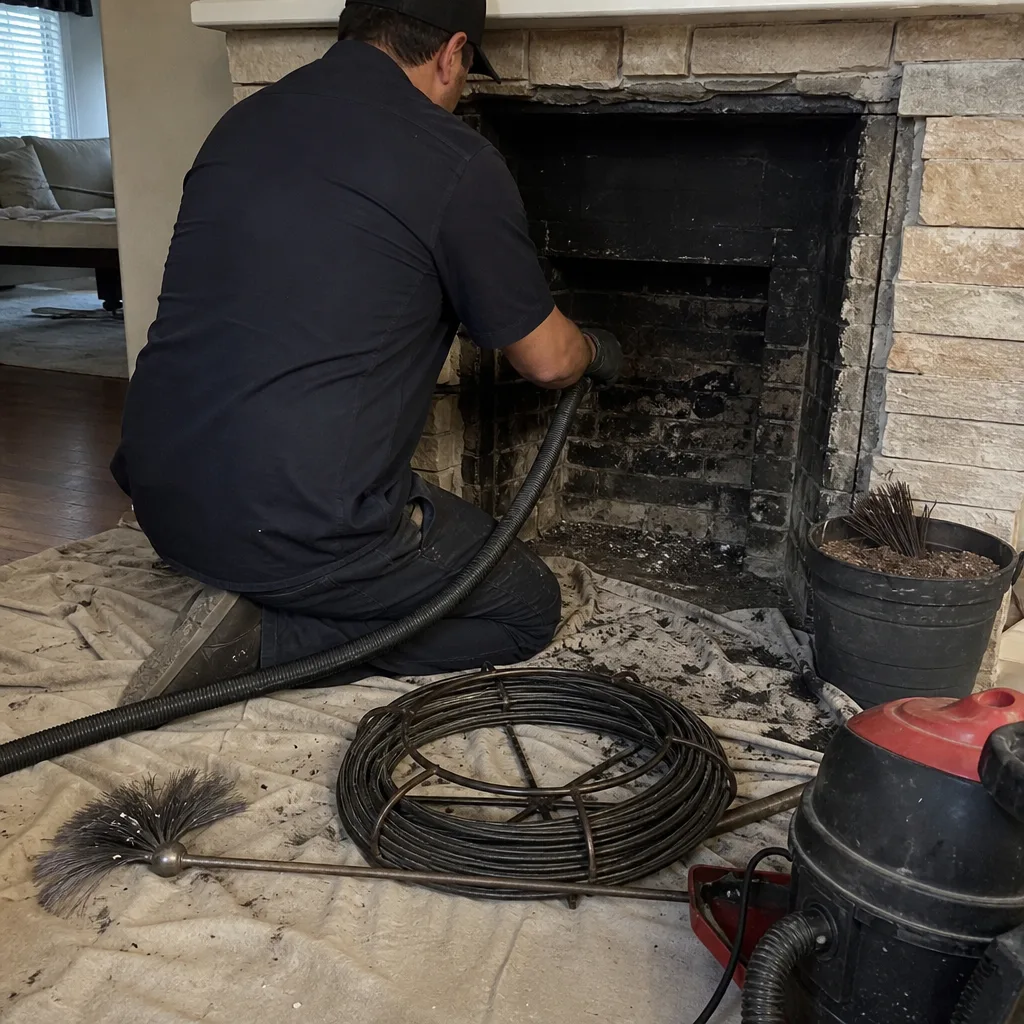 Before
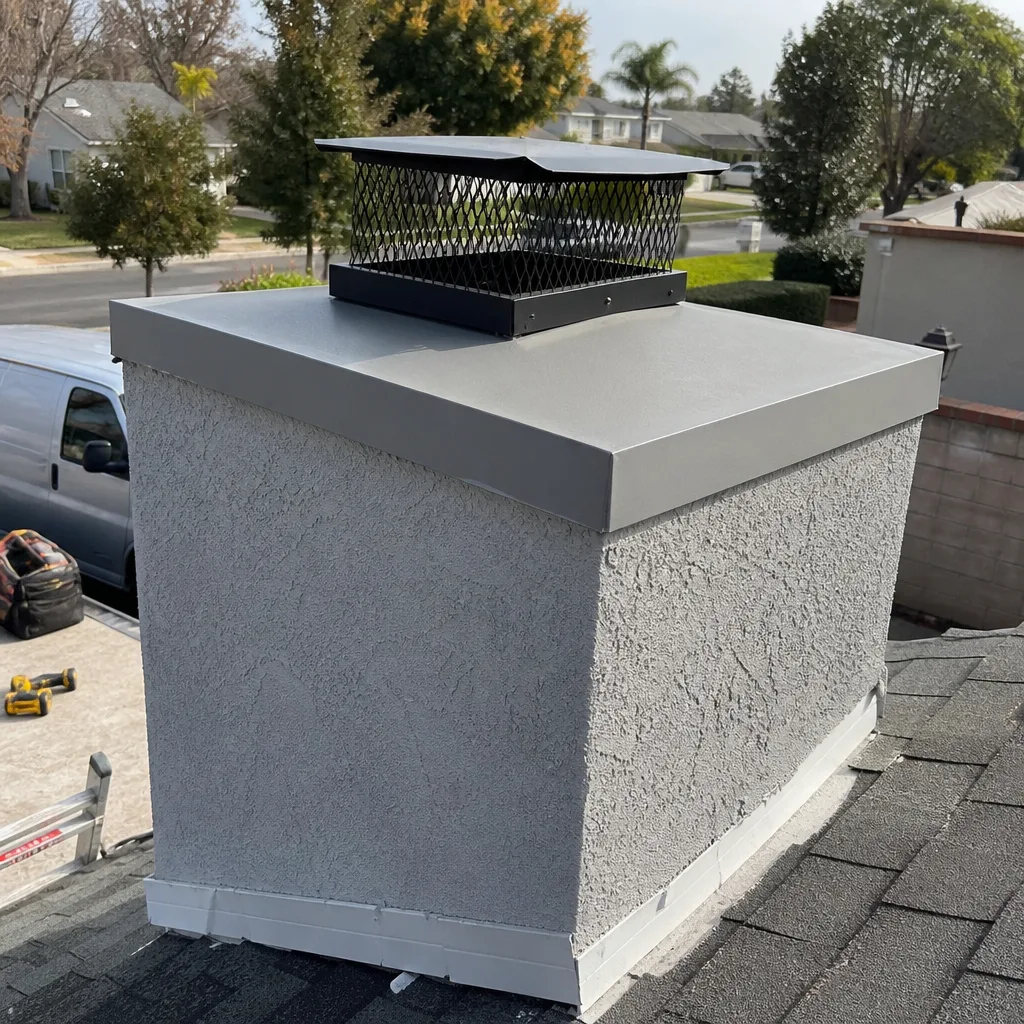 After
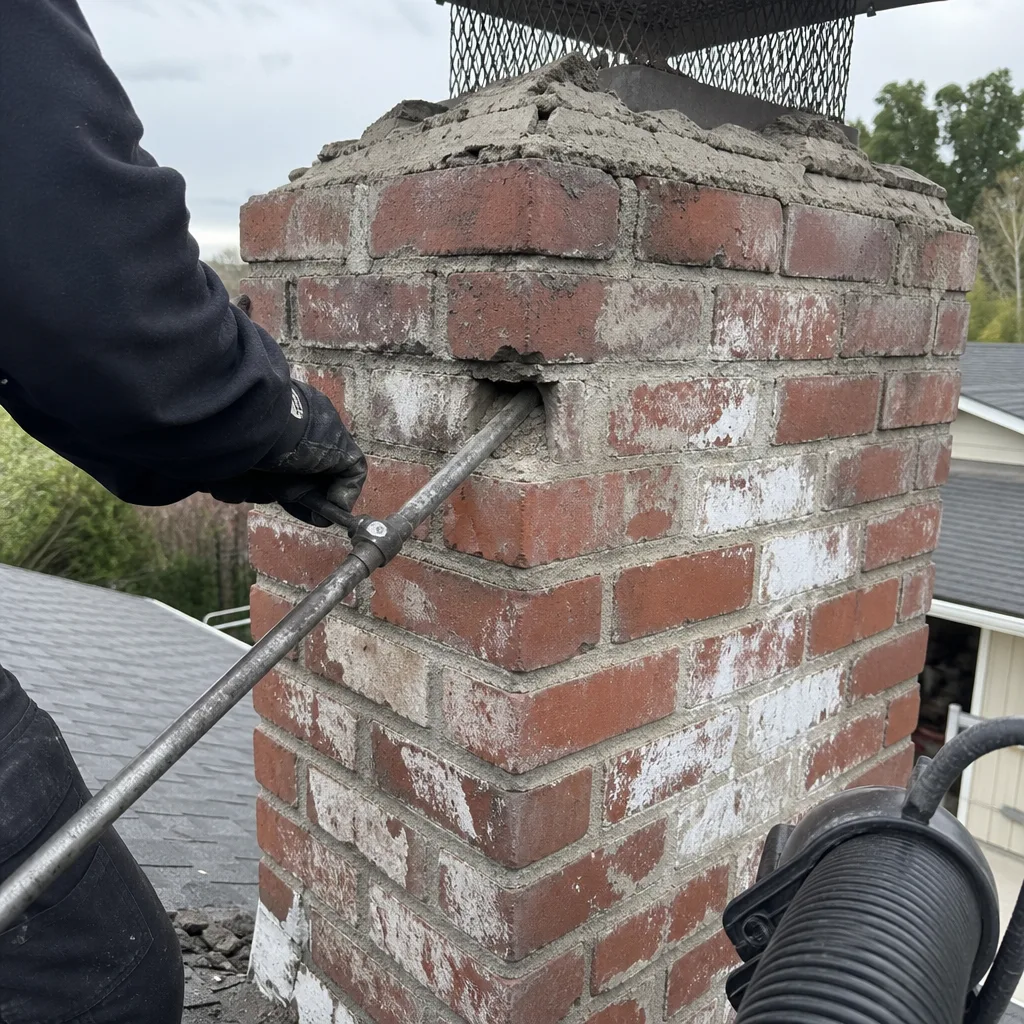 Before
 After
 Before
 After