
Last updated November 2, 2026
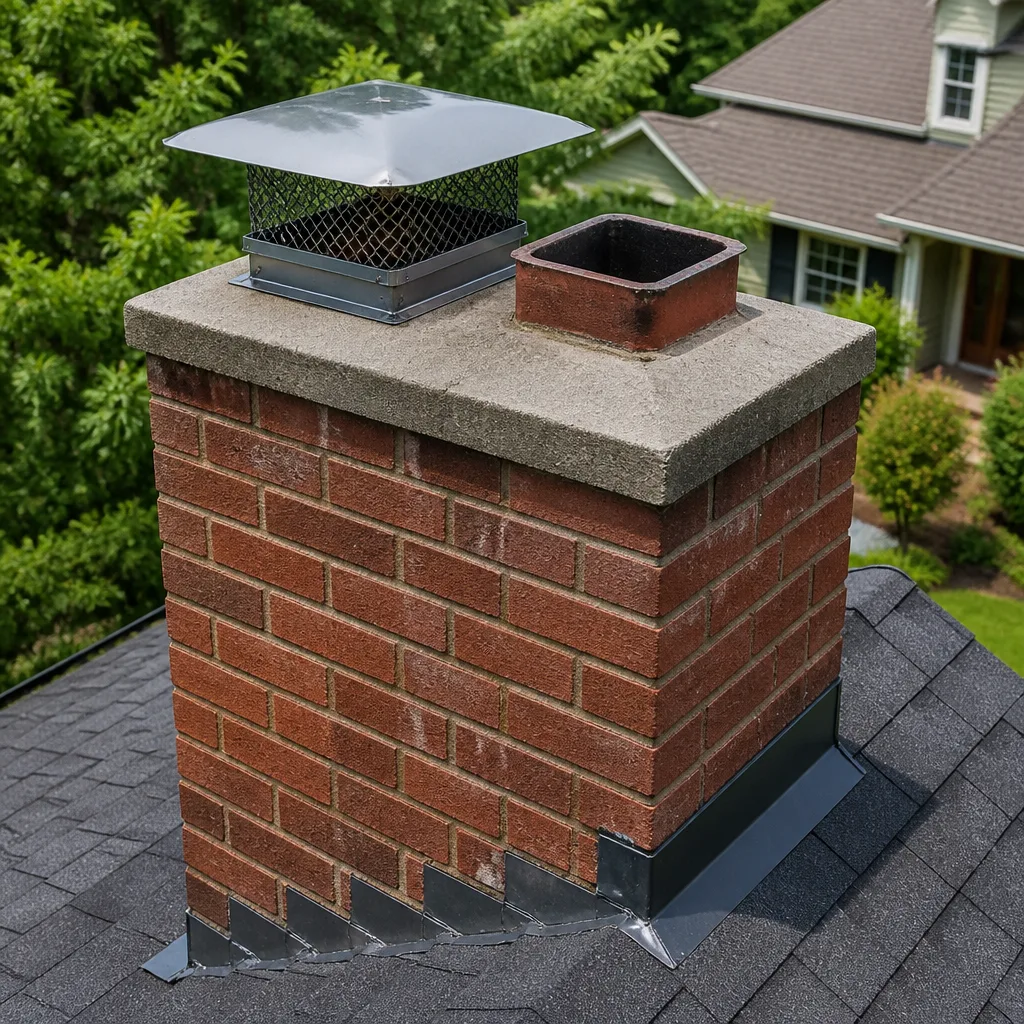 Sweep & inspection
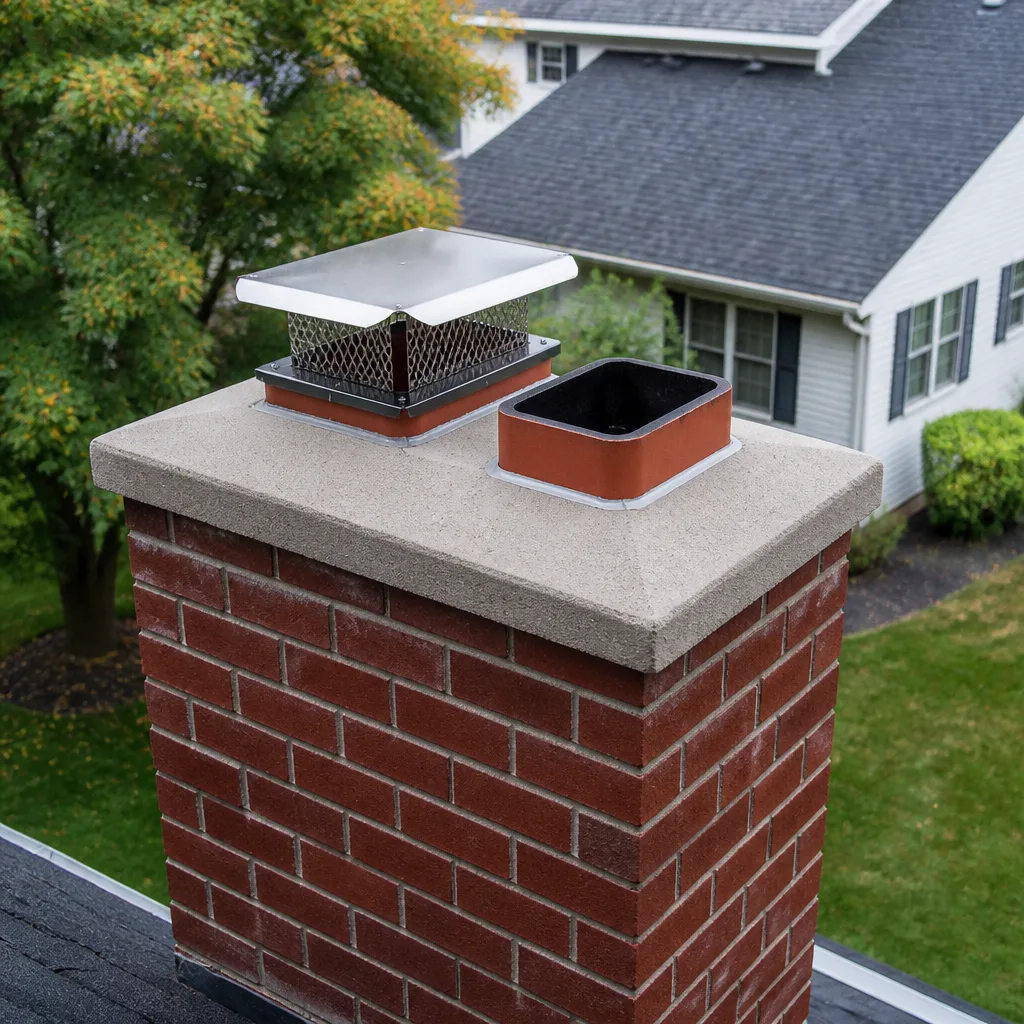 Caps & crowns
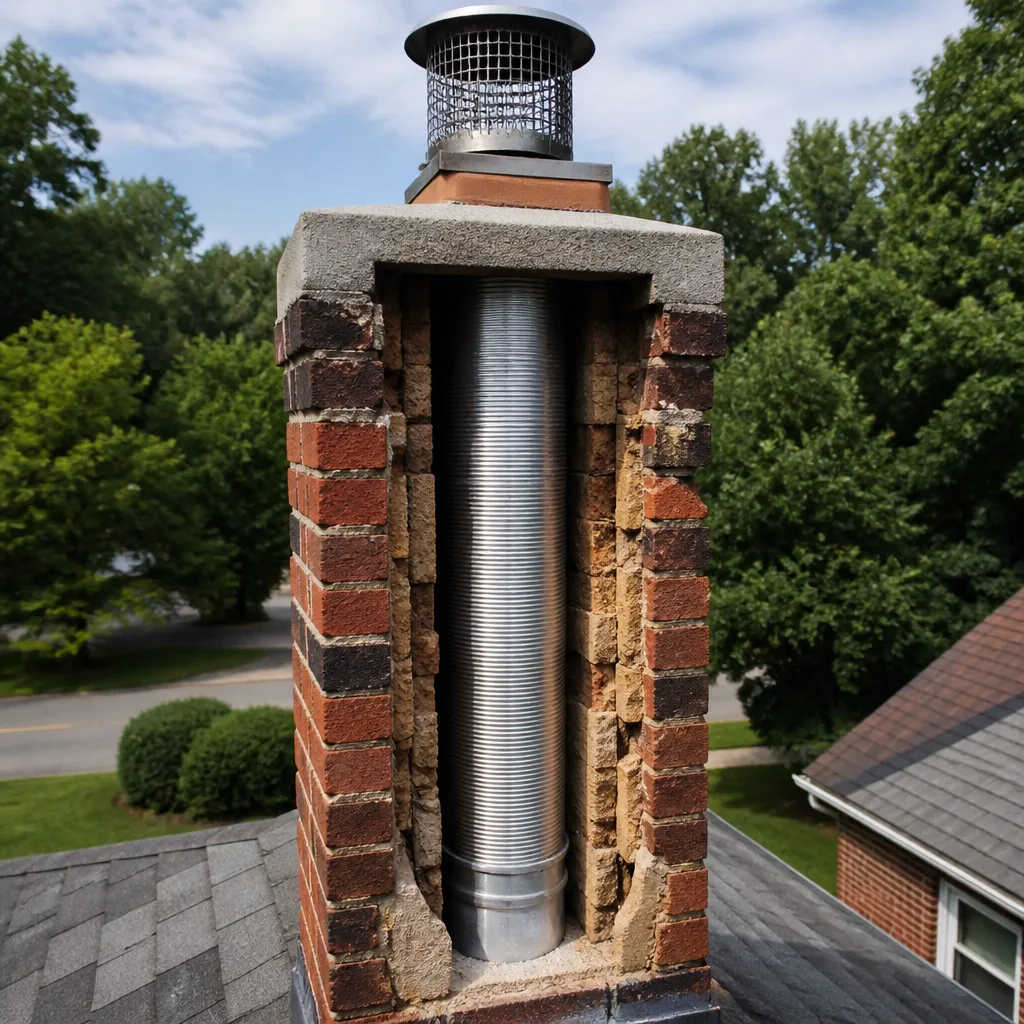 Flue relining
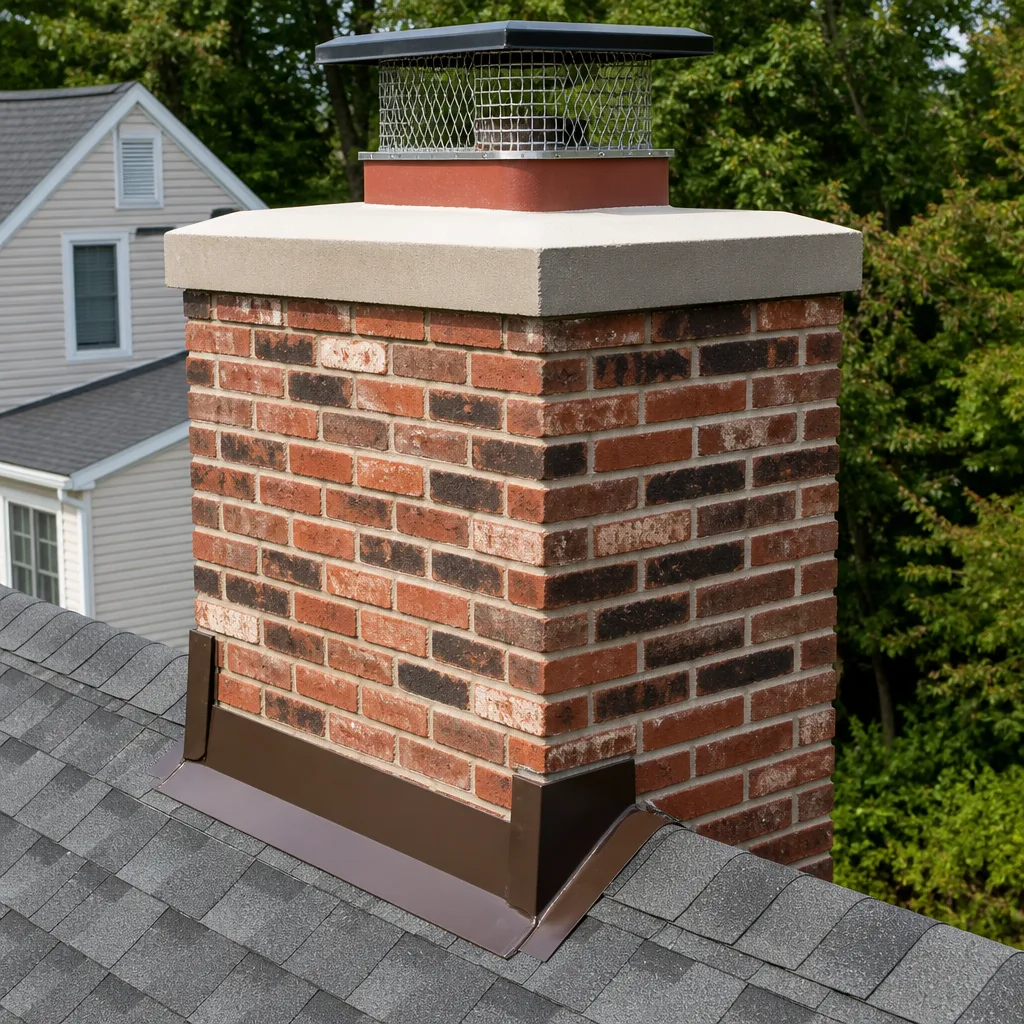 Masonry repair
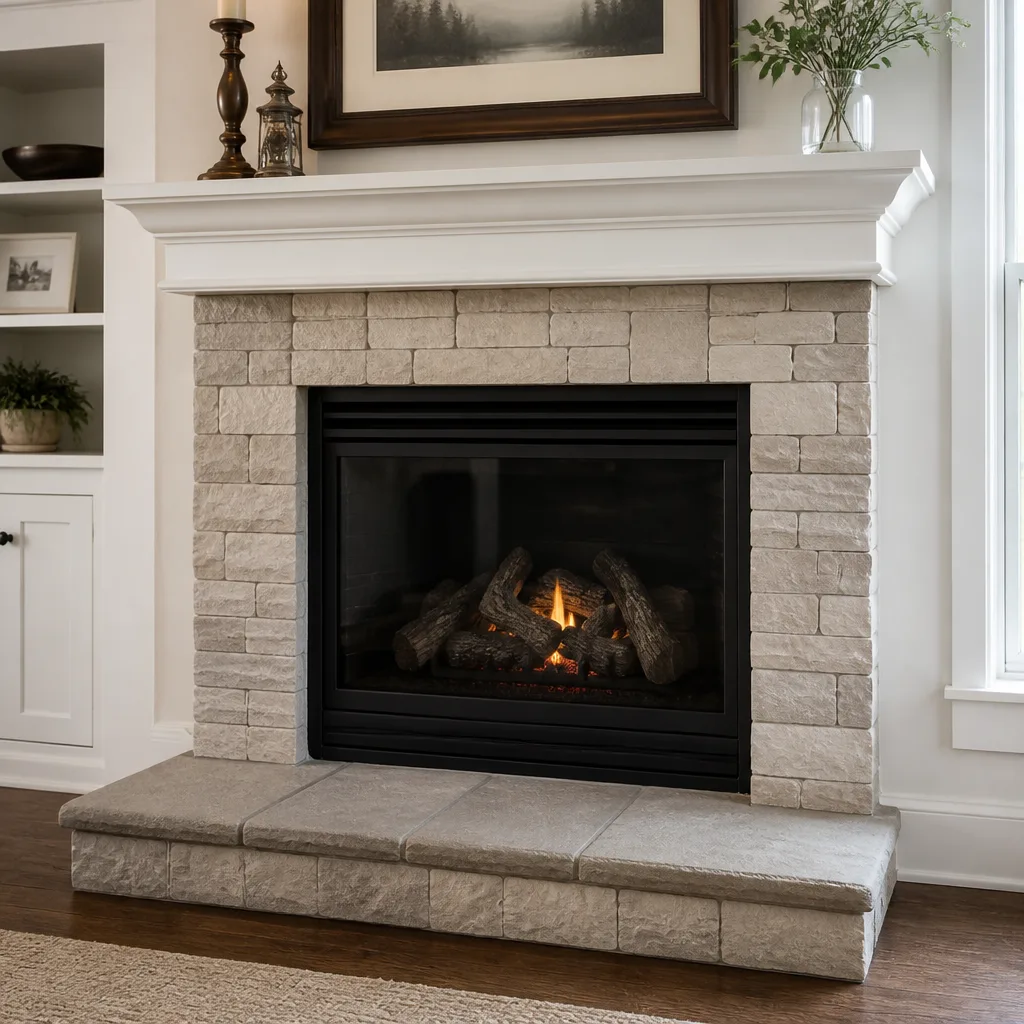 Gas fireplace service
Level 1 sweep and inspection to the NFPA 211 annual standard - flue, crown, cap, and flashing checked and photographed
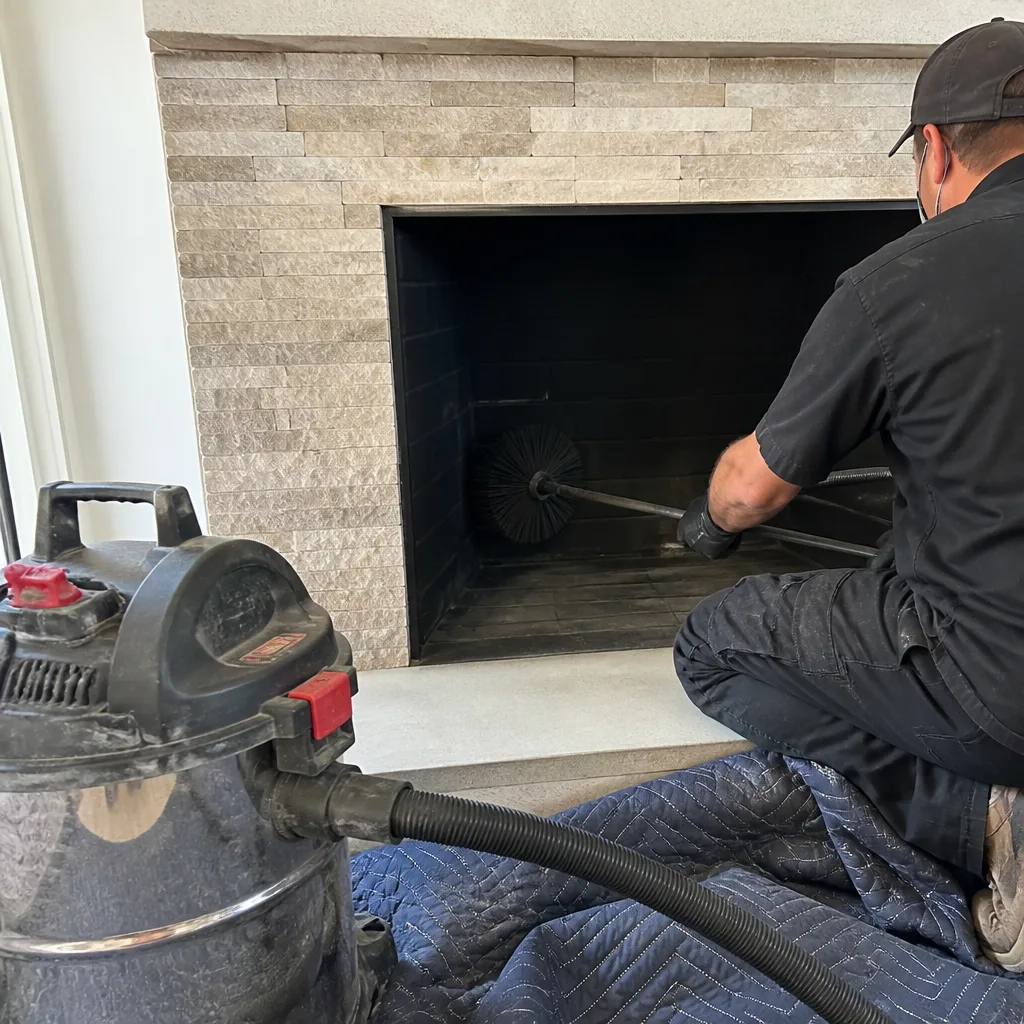
Chimney sweep logs do not sweep chimneys. They loosen some creosote - which then falls where a brush and vacuum still have to collect it.
Chimney Cleaning Permits, Codes & Inspections in CA: What You Need to Know
Most homeowners in Pocket assume a chimney cleaning is just a routine maintenance call, like gutter cleaning or window washing. Then the sweep’s camera finds a cracked flue tile, a rusted-out damper, or a missing chimney cap, and suddenly you’re in a conversation about California building codes, Sacramento County permits, and whether the work can legally proceed. This guide walks through exactly which chimney services require permits, what inspectors look for, how California’s seismic requirements change repair specifications, and why documentation matters when you eventually sell. For more guides & resources, see our blog. We’ll cover Sacramento County specifics, Sacramento Metropolitan Air Quality Management District rules, and what to verify before paying any contractor for repair work.
Quick Answer
A standard chimney sweeping in California does not require a building permit. But once the cleaning reveals damage that needs repair – something you may first spot using our Chimney Cleaning Warning Signs: A Pocket Homeowner’s Reference Guide – almost any structural repair work on the chimney, from a partial rebuild to a new flue liner, triggers a permit requirement under Sacramento County code. Seismic reinforcement work, common in California, always requires permits and inspection sign-off.
Styles & brands we work with
- Sweep & inspection
- Caps & crowns
- Flue relining
- Masonry repair
- Gas fireplace service
Table of Contents
- Which Chimney Services Are Permit-Exempt in California
- Which Chimney Repairs Trigger a Permit in Sacramento County
- How California’s Seismic Zone Requirements Change Chimney Repair Specifications
- Level 2 Inspections and Insurance Compliance After a Home Sale
- Sacramento Metropolitan Air Quality Management District and Chimney Use Restrictions
- How to Verify a Contractor’s Repair Work Was Inspected and Signed Off
- What Happens During a Chimney Cleaning That Leads to Code Work
- What Chimney Repair Work Typically Costs in Pocket and Sacramento
Which Chimney Services Are Permit-Exempt in California
The California Building Code, which Sacramento County adopts with local amendments, treats routine chimney maintenance as a non-structural activity. A standard chimney sweep, where a technician removes creosote and soot from the flue using brushes and a vacuum, never requires a permit. Neither does a visual inspection, a Level 1 inspection, or the replacement of a chimney cap that bolts onto an existing bracket. Cleaning a dryer vent is equally permit-exempt, regardless of how clogged it is.
What surprises many Pocket homeowners is that even some repair work can fall outside permit requirements. Minor masonry repointing of a few loose bricks, where the structural integrity of the chimney is not compromised, typically does not need a permit in Sacramento County. The same goes for replacing a damper plate that sits inside an existing frame, installing a new rain cap, or sealing small gaps in the crown with a silicone-based sealant. The county’s building department draws the line at any work that alters the chimney’s structural system, changes its dimensions, involves the firebox, or replaces the flue liner.
From our work in Pocket, we’ve seen homeowners discover that a cleaning can quickly move from permit-exempt to permit-required territory. A sweep starts as a $199 maintenance call. The camera inspection shows a cracked flue tile. The repair to replace that tile requires demolition of part of the chimney interior, which triggers a permit. As a full-service operation, Chimney Repair in Pocket handled by Meadow means that transition is handled by the same company, not a referral to someone else.
The key distinction for homeowners is this: maintenance is exempt, modification is not. If a contractor tells you that you need a permit for a routine cleaning, they may be new to California code or they may be padding the estimate. If a contractor tells you that a full flue relining does not need a permit, that’s a red flag worth walking away from.
Which Chimney Repairs Trigger a Permit in Sacramento County
Sacramento County follows the California Building Code with local amendments enforced by the county’s Building Permits and Inspection Division. Any chimney work that involves structural changes, firebox modifications, or flue liner replacement requires a permit. Specifically, if a chimney sweep in Pocket discovers cracked flue tiles during a cleaning and recommends relining, that relining job needs a permit. A thorough Chimney Sweep Maintenance Checklist for Pocket Homeowners can help you stay ahead of such issues. The same applies to a full or partial chimney rebuild above the roofline, which is common in Pocket where older homes have weathered brick chimneys from decades of Sacramento Valley sun and winter rain.
Here are the specific repair categories that trigger a permit in Sacramento County:
- Flue liner replacement or relining: Whether you’re installing a stainless steel liner like the DuraFlex or Copperfield systems we work with, or pouring a HeatShield cerfractory liner, the work changes the chimney’s venting characteristics and requires county review.
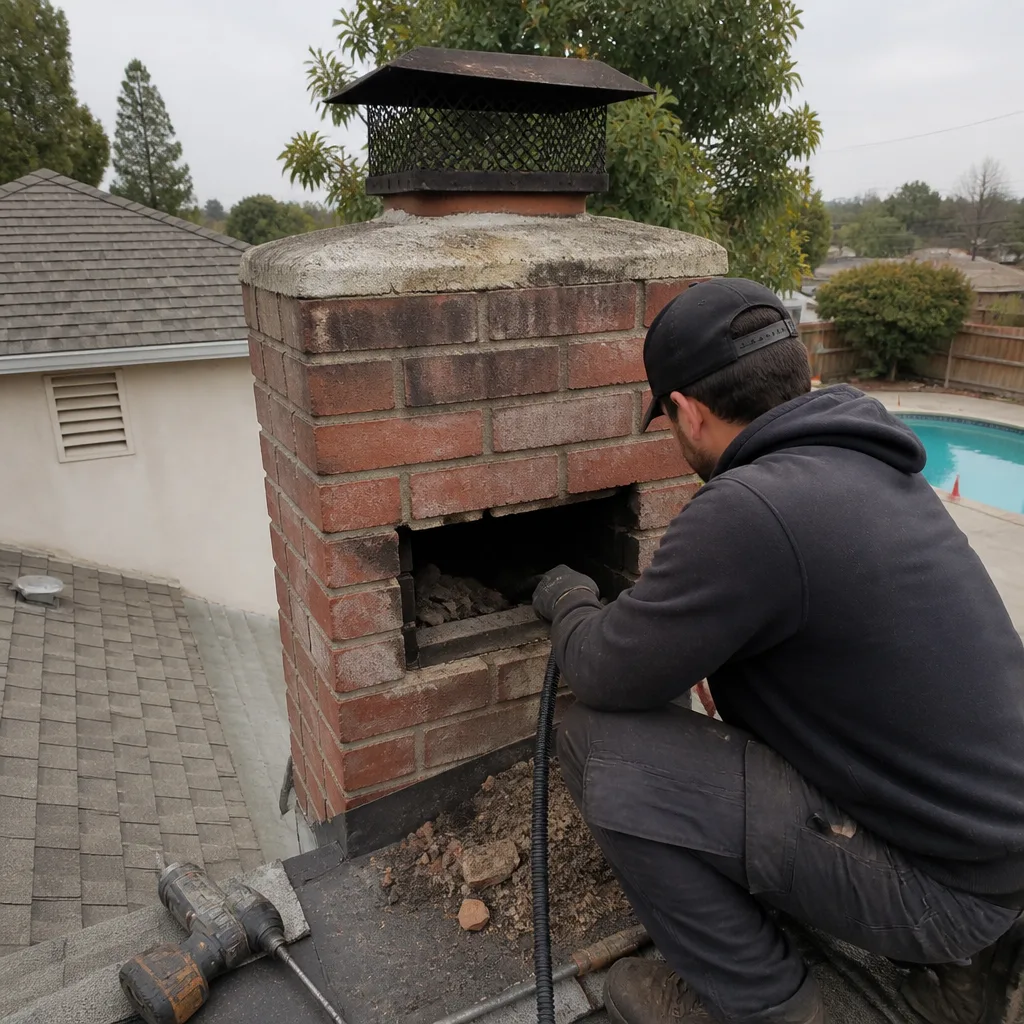
- Partial or full chimney rebuild: Any demolition and reconstruction of chimney masonry above the roofline needs structural review, especially in California’s seismic zones.
- Firebox repair or reconstruction: The firebox is a structural fire-resistance assembly. Altering it beyond cosmetic repair requires a permit.
- Chimney reinforcement and strapping: Seismic retrofit work, which reinforces the chimney against earthquake movement, always requires permit review and inspection.
- Changing chimney height or dimensions: If the repair changes how the chimney drafts, or if you’re adding height to solve a smoking problem, the county wants to review it.
- Converting from a wood-burning to a gas insert: Fuel type conversions require permits because they change ventilation requirements and combustion air needs.
Pocket homeowners often ask us what happens if the repair work begins without a permit. The answer is consistent across Sacramento County: unpermitted structural work becomes a title defect. When you sell, the buyer’s title company may flag the work, the home inspector may note the absence of a permit record, and the transaction can stall or collapse. We advise every client in Pocket to verify that the company doing the repair has pulled the permit in their name, not in the homeowner’s name, and that a county inspector will sign off on the finished work.
Meadow Chimney Sweep’s repair team works with materials that Sacramento County inspectors see regularly, including Gelco chimney caps and Olympia Chimney components, which makes the inspection process more predictable. Normal materials from professional trade brands reduce the back-and-forth that happens when an inspector encounters unfamiliar hardware.
How California’s Seismic Zone Requirements Change Chimney Repair Specifications
California’s seismic requirements affect chimney repair work in ways that most other states never deal with. The California Building Code classifies the Sacramento region with a moderate-to-high seismic design category, which means chimneys must resist lateral earthquake forces, not just gravity loads. This affects everything from the type of mortar used in a rebuild to the reinforcement steel that goes into the masonry.
For a homeowner in Pocket, this means a cracked chimney that might be repointed in another state must be partially rebuilt with reinforcement in Sacramento County. The county enforces specific requirements for what’s called chimney bracing and strapping, especially where a chimney extends above the roofline by more than a certain ratio. A chimney that’s tall relative to its width becomes a lever during an earthquake, and the code accounts for that.
Specific seismic requirements that impact chimney work in the Pocket area include:
- Reinforcement steel requirements: A partial rebuild above the roof typically needs vertical reinforcing bars set in concrete, not just new bricks and mortar.
- Strap and brace anchoring: Chimneys exceeding a height-to-thickness ratio must be braced to the roof structure using straps and anchors approved by the plan reviewer.
- Mortar specifications: California’s seismic code requires mortar types that are stronger than what’s commonly used in non-seismic regions. Type S or Type N mortar is standard for chimney work in Pocket that will be inspected.
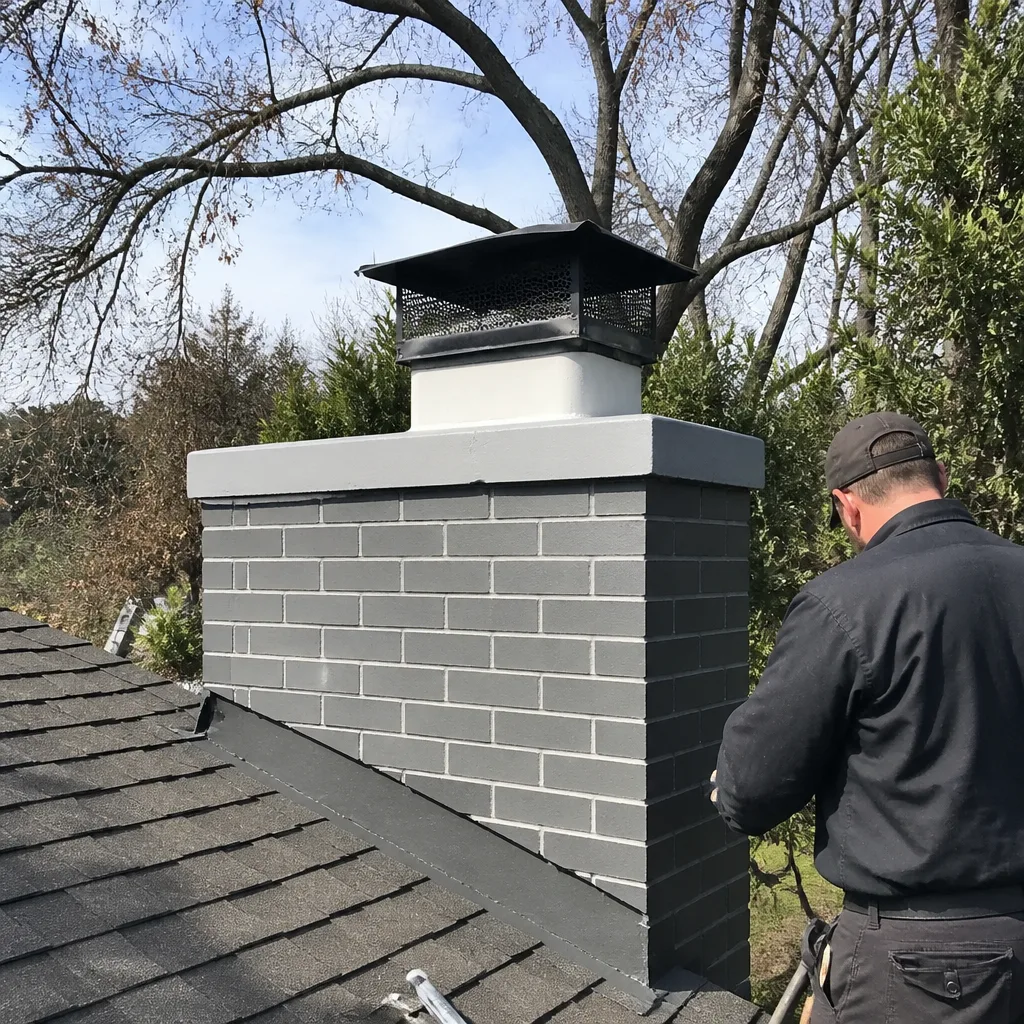
- Concrete crown requirements: The chimney crown must be poured with a minimum thickness and an overhang of at least two inches to shed water and resist cracking during ground movement.
- Clearance and separation: In some seismic retrofits, the code requires a separation gap between the chimney and framing, which changes how the chase is built around the flue.
We’ve seen Pocket homes where a homeowner hired a handyman to rebuild a leaning chimney, only to have the sale fall apart when an inspector flagged the missing bracing. The work looked fine in photos, but it lacked the seismic reinforcement that county code mandates. When we rebuild a chimney in the Pocket area, the work meets the seismic requirements that the county will inspect for, including proper strapping and reinforcement that a camera can document after the masonry is done.
If you’re buying a home in Pocket that was built before the 1990s, the chimney may predate current seismic reinforcement requirements. An older chimney is not automatically non-compliant, but any repair work done on it must bring the repaired section up to current code. This is one reason why a cleaning that reveals a cracked crown can snowball: the repair is straightforward, but the inspector will require that the rebuilt section meet today’s seismic standards, not the standards from when the chimney was first built.
Level 2 Inspections and Insurance Compliance After a Home Sale
A Level 2 chimney inspection is the standard for real estate transactions in California. It includes everything in a Level 1 inspection, plus a video scan of the flue interior, an inspection of accessible attics, crawl spaces, and basements where the chimney passes through, and an evaluation of clearances from combustibles. The National Fire Protection Association’s NFPA 211 standard defines when each inspection level is required, and California insurers generally follow that standard.
For a home sale in Pocket, the buyer’s home inspector may flag the chimney for a Level 2 inspection if there’s evidence of damage, a change in fuel type, or if the chimney has not been inspected in recent years. The inspection report then becomes part of the negotiation. If the report shows a cracked flue tile or deteriorated mortar joints in the smoke chamber, the buyer may ask the seller to repair the issue or provide a credit.
Insurance compliance works differently than most homeowners expect. Your homeowner’s insurance policy typically requires that the chimney be maintained and free of known hazards, but it does not automatically require a Level 2 inspection after every sale. What insurers do care about is whether a known defect was disclosed and repaired. If a previous inspection documented a hazard and you did nothing, and then a chimney fire occurs, the insurer may deny the claim on the grounds that the loss was foreseeable.
Here’s what a Level 2 report means in practical terms for a Pocket homeowner:
- Closed flue tiles: The report shows whether the flue is intact. Cracked or missing tiles usually require relining, which is permit work.
- Clearance documentation: The report confirms that combustibles are far enough from the flue. This matters for insurance underwriters in older Pocket homes where framing was built tighter than current code allows.
- Fuel type verification: The report confirms the chimney matches its use. A wood-burning fireplace that was converted to gas without a proper liner will be flagged.
- Smoke chamber condition: The report evaluates the smoke chamber, a common site of creosote accumulation that a standard cleaning may miss.
If a Level 2 report from a previous owner exists, it’s worth getting a copy. It tells you what was known at the time of sale, which affects your disclosure obligations when you eventually sell. We keep detailed camera records from every inspection we perform in Pocket, so if you ever need documentation, the footage exists.
Sacramento Metropolitan Air Quality Management District and Chimney Use Restrictions
The Sacramento Metropolitan Air Quality Management District, known locally as the Air District, regulates wood burning in Sacramento County. Its rules operate independently from building code, but they connect directly to chimney condition. The Air District’s Check Before You Burn program restricts or bans wood burning on days when particulate matter levels are high, especially during winter inversions. These restrictions are seasonal, and they apply to fireplaces and wood stoves, though not typically to gas inserts.
What most homeowners in Pocket don’t realize is that the Air District’s regulations intersect with chimney maintenance in a specific way: burning restrictions assume your chimney is functioning as designed. A chimney that’s heavily coated with creosote burns hotter and less efficiently, producing more particulate matter than a clean flue. A properly swept chimney isn’t just safer, it burns cleaner, which matters on days when air quality thresholds are borderline.
The Check Before You Burn program operates from November through February. On mandatory no-burn days, burning wood is prohibited in Sacramento County unless the household has no natural gas service or uses wood as the sole source of heat, though exemptions are limited. Here’s how this connects to what we see in Pocket:
- Seasonal timing matters: Book a chimney cleaning before the burning season. Once November arrives, no-burn days are common and the fireplace may sit unused for weeks.
- A clean chimney burns more efficiently: The Air District’s restrictions are triggered by particulate levels. A clean flue with proper draft produces fewer visible emissions.
- Gas inserts are generally exempt: If you’ve converted to a gas insert, the Air District’s wood-burning restrictions typically don’t apply, which is one reason conversions are popular in Pocket.
- Smoke complaints are a real enforcement path: Neighbors can report visible smoke from a chimney, and a chronically smoky fireplace often points to drafting problems or a dirty flue.
For a Pocket homeowner, the Air District rules are a good reason to keep the chimney clean, but they don’t replace building code requirements. A clean chimney with a cracked flue is still a code violation waiting to be discovered. A dirty chimney with a sound flue is a maintenance issue. The two systems, air quality and building code, operate on different levers.
We’d also note that Dryer Vent Cleaning in Pocket connects to air quality concerns differently but with the same fire-safety stakes. Lint-clogged dryer vents are a leading cause of house fires, and a clean vent means the dryer uses less energy and produces fewer particulates.
How to Verify a Contractor’s Repair Work Was Inspected and Signed Off
A verbal assurance from a contractor that work was inspected is not the same as documentation. Sacramento County maintains permit records that any homeowner can verify. You need the permit number, which the contractor should provide when the county issues it, and you should expect a final inspection sign-off from a county building inspector before work is considered complete.
Here are the steps to verify that chimney repair work in Sacramento County was properly permitted and inspected:
- Confirm the permit number exists: The contractor should provide a permit number early in the job. Sacramento County’s Building Permits and Inspection Division maintains records you can look up online or by phone.
- Check that the permit is in the contractor’s name: The permit should be pulled by the licensed contractor, not in your name. If the contractor asks you to pull the permit as the homeowner, that shifts liability and usually means the contractor lacks the proper license for the work.
- Confirm the contractor’s license covers the work: Chimney repair contractors in California must hold a license from the Contractors State License Board, typically a B (general building) or C-29 (masonry) classification. Verify the license before work begins.
- Request the final inspection sign-off: After the work is complete, the county inspector approves it and records the sign-off. Ask for a copy. Any contractor doing permitted work should provide this without hesitation.
- Keep records for the next home sale: Store the permit, inspection sign-off, and any photos or video from the job. These documents matter when you sell, especially in Pocket where buyers and home inspectors scrutinize older chimney work.
If a contractor tells you that the work was inspected but refuses to provide a permit number or a copy of the sign-off, treat that as a failed inspection. In our experience in Pocket, homeowners who keep good records avoid the painful discovery that a previous contractor did work that was never actually permitted.
Meadow Chimney Sweep’s approach is straightforward: repair work that requires a permit gets one. The camera inspection before and after documents exactly what was done, which helps when the county inspector arrives. We’ve worked with Sacramento County inspectors enough to know what they look for, and we build to pass the first time.
What Happens During a Chimney Cleaning That Leads to Code Work
Most code work in Pocket starts with a routine cleaning. The sweep begins with a standard top-down or bottom-up brushing, removes creosote and soot, and then runs a camera through the flue. That camera is where the conversation changes. Here’s a typical sequence of what we see and what it means under Sacramento County code:
- Cracked flue tile: A crack wider than a hairline in a flue tile means combustion gases can escape into the chimney chase or wall cavity. Under code, the flue must be relined or replaced. This is permit work.
- Separated mortar joints in the smoke chamber: The smoke chamber is the area above the firebox where smoke gathers before entering the flue. Gaps here allow heat to reach combustible framing. Repair typically requires parging or a HeatShield treatment, either of which may need county review depending on the extent.
- Deteriorated crown: The concrete cap on top of the chimney cracks from Sacramento Valley heat and rain. Small cracks can be sealed as maintenance. A crown that has broken into pieces needs to be rebuilt, and if the rebuild involves the top courses of brick, the county may consider it structural.
- Rusted damper: A damper that’s rusted through lets conditioned air escape and can allow water into the firebox. Replacing a damper plate is typically not permit work, but if the damper frame is also deteriorated, the firebox repair may trigger a permit.
- Flashing failure: Where the chimney meets the roof, failed flashing allows water into the framing. Replacing flashing is usually a roofing job and may not need a building permit if the roof decking is not damaged. If water has rotted the chimney chase framing, the repair scope grows.
The pattern is consistent: a $200 cleaning uncovers a $2,000 problem that requires a permit. This is also where our repair capability matters. Chimney Sweep in Pocket service through Meadow Chimney Sweep means the same company that found the issue has the crews and professional materials, including DuraFlex liners and Gelco caps, to fix the issue. One call covers the sweep and the repair, which is the entire value proposition of booking with a full-service chimney company rather than a standalone sweep.
What Chimney Repair Work Typically Costs in Pocket and Sacramento
Cost expectations for permitted chimney repair work in the Pocket area vary with the scope, but here are the ranges we typically see. These include permit fees where applicable:
- Chimney sweep with camera inspection: $185 to $295 in the Pocket and Land Park area, depending on flue condition and whether a Level 2 inspection is requested.
- Stainless steel flue lining (DuraFlex or Copperfield system): $3,000 to $6,500 installed, including demolition of the old liner where needed and county permit fees.
- HeatShield cerfractory relining: $2,500 to $5,500, depending on whether it’s a spot repair or full resurfacing. Often chosen when the flue has minor cracks but the masonry is otherwise sound.
- Crown replacement with seismic-ready concrete pour: $800 to $1,800, including the overhang and expansion gap that California code requires.
- Partial chimney rebuild above the roofline with seismic reinforcement: $4,000 to $9,000, depending on height, access, and whether bracing or strapping to the roof structure is required.
- Firebox repair or rebuild: $1,200 to $4,000, depending on whether it’s repointing of firebrick or a full firebox reconstruction with code-required fire-resistance materials.
- Damper replacement: $300 to $900 for a top-sealing damper, which also acts as a chimney cap replacement.
These are Sacramento County market ranges for Pocket, not generic national figures. Permit fees in Sacramento County for chimney work typically run from $150 to $600 depending on valuation, and the contractor usually adds them to the job quote. Call (855) 943-1461 for an exact quote after an in-person evaluation. Estimates are free.
The cost of unpermitted work is higher than the permit fee. When a Pocket home with unpermitted chimney work goes up for sale, the seller often negotiates a repair credit of 1.5 to 2 times what the permitted work would have cost originally. The permit is the cheapest part of the job.
Common Mistakes to Avoid
- Letting a handyman do structural chimney work: A general handyman is not licensed for masonry or structural repair in California. The work may be unpermitted, and the liability falls on the homeowner in Pocket, not the worker.
- Skipping the permit for a flue lining job: Any flue liner replacement changes how combustion gases are vented. Unpermitted relining is a red flag in any home inspection and a real obstacle in a Sacramento County home sale.
- Paying for repair work without asking for a permit number: If a contractor starts masonry demolition or relining without a permit number, stop the job. You may be paying for work the county will later require you to tear out and redo.
- Treating a cleaning as a once-a-decade task: The chimney in Pocket burns wood all winter in a climate that swings from cold wet winters to 100-degree summers. Creosote builds up, bricks crack, and a neglected chimney is more likely to need permit-required repair work when it’s finally cleaned.
- Assuming insurance covers unpermitted work damage: If a chimney fire starts from a defect that an unpermitted repair failed to address, your insurer may deny the claim. The policy covers sudden losses, not neglected hazards.
- Confusing Air District rules with building code: A chimney can comply with burn-day restrictions and still be a code violation. The Air District regulates what you burn. The building department regulates what you burn it in.
- Throwing away inspection reports from previous owners: A Level 2 report from a prior sale in Pocket tells you what was known, which affects what you must disclose when it’s your turn to sell.
See the difference
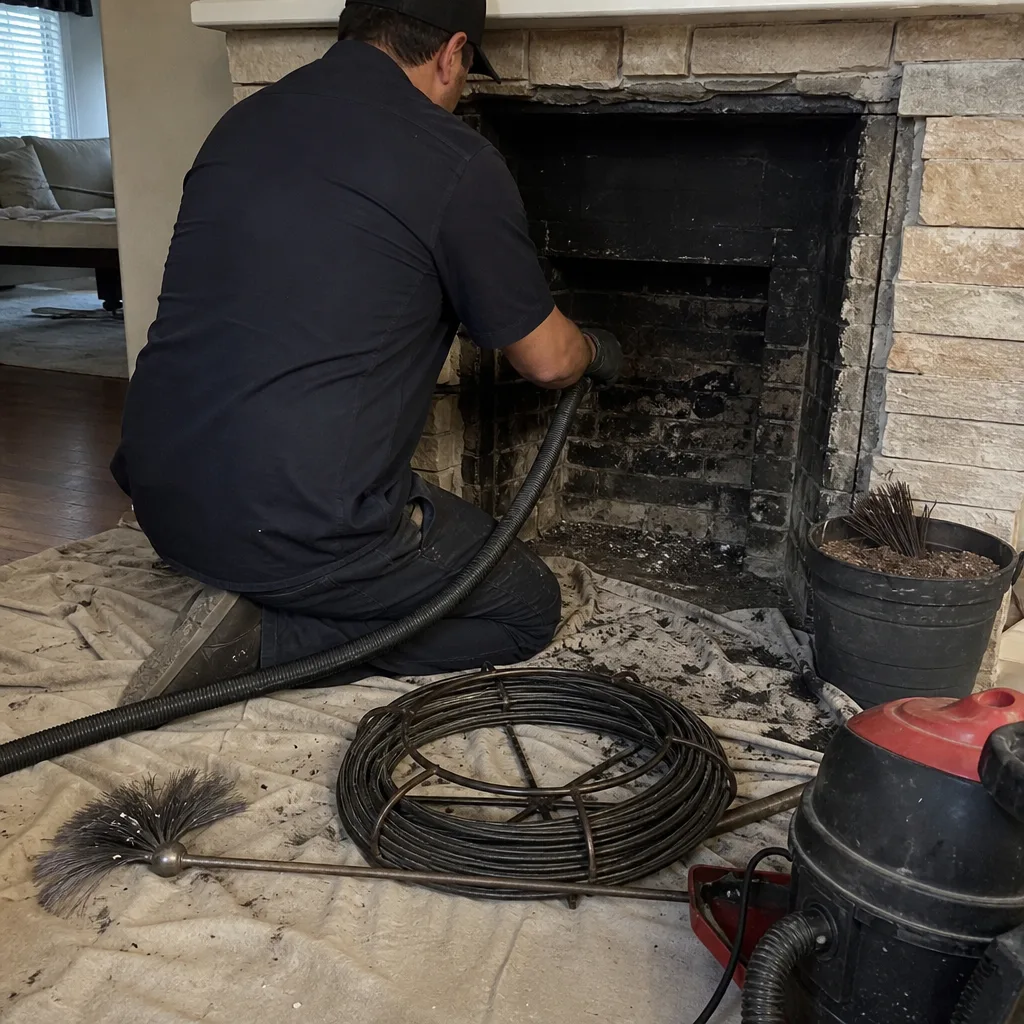 Before
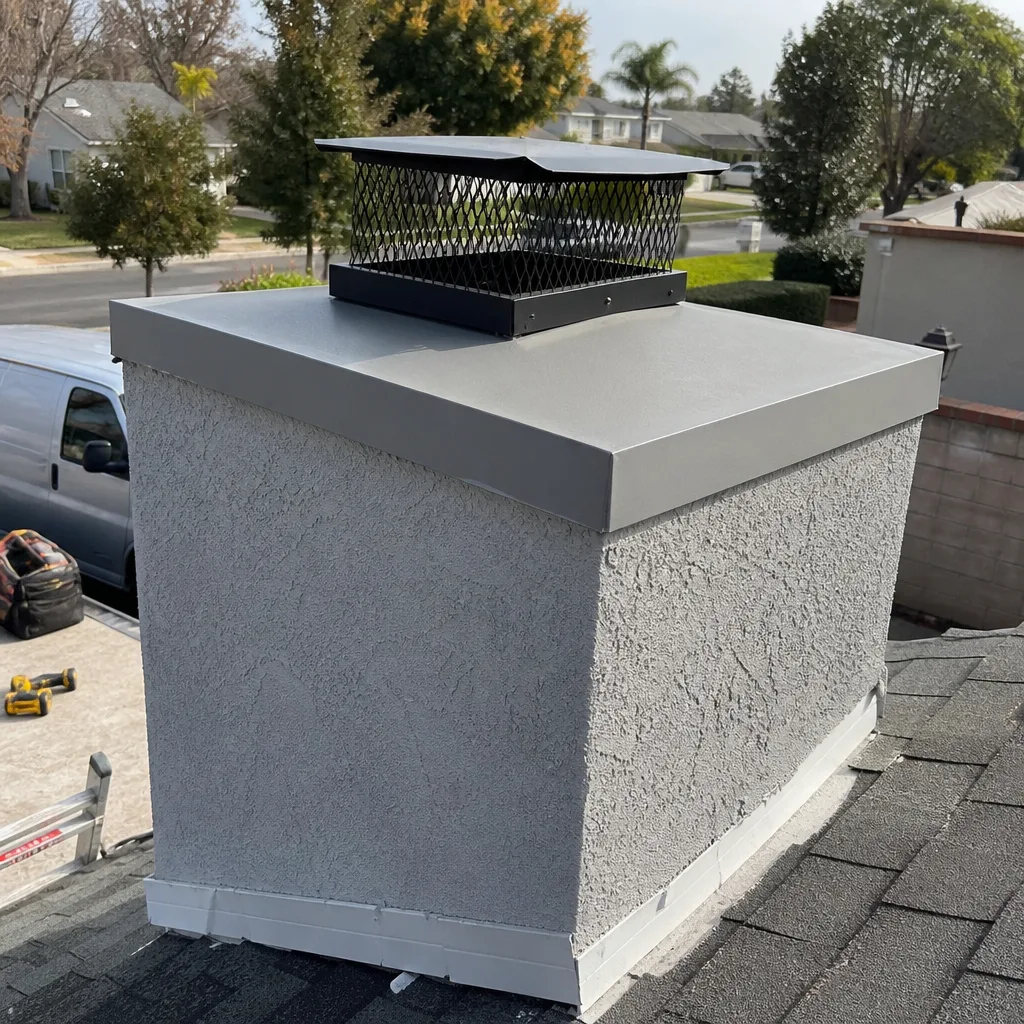 After
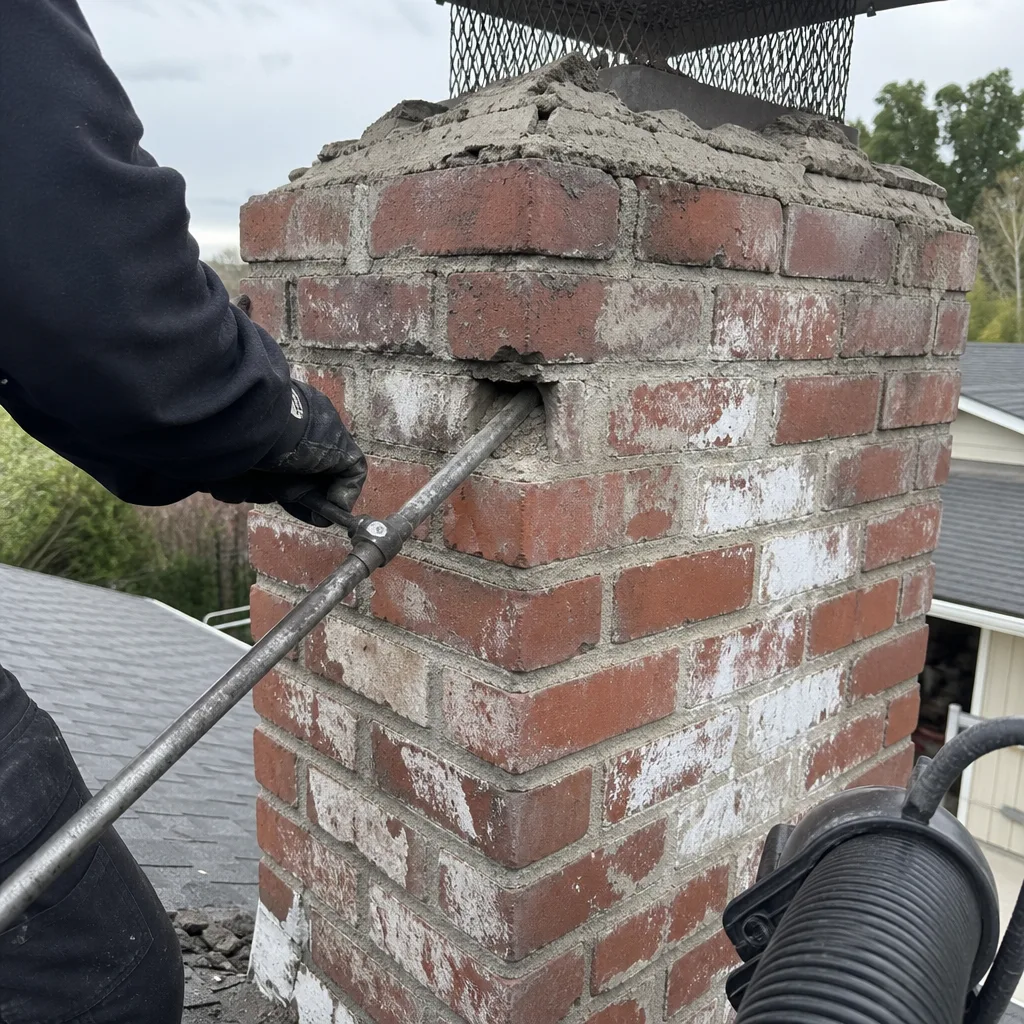 Before
 After
 Before
 After
When to Call a Professional
Any time the conversation moves beyond routine cleaning into repair territory, you need a professional who understands Sacramento County code and the California seismic requirements that apply to Pocket homes. If a camera inspection shows cracked flue tiles, separated mortar joints, or a deteriorated crown, get the repair quoted and permitted properly. If you’re buying or selling a Pocket home and the inspector flags the chimney, a Level 2 inspection is the right next step. If someone did chimney work on your home and there’s no permit record, a professional can assess what’s there and document it. Meadow Chimney Sweep offers free estimates in Pocket. Call (855) 943-1461 and we’ll send someone who can explain exactly what the code requires, what’s permit-exempt, and what needs a permit before work starts.
Frequently Asked Questions
No, a standard chimney sweep in California does not require a permit. Routine cleaning, video inspection, and minor maintenance like cap replacement are exempt from Sacramento County permit requirements. The permit conversation starts if the cleaning reveals damage that requires structural repair.
Flue liner replacement, partial or full chimney rebuilds, firebox reconstruction, seismic reinforcement, and any change to chimney height or fuel type all require a building permit in Sacramento County. If the repair changes how the chimney vents or alters its structure, expect the county to require a permit and a final inspection sign-off.
A chimney sweep with camera inspection in Pocket typically costs $185 to $295, depending on flue condition and whether a Level 2 inspection is requested. Call (855) 943-1461 for an exact quote. Estimates are free.
The National Fire Protection Association recommends annual inspection and sweeping when creosote is visible. In Pocket, where wood-burning fireplaces run all winter, an annual sweep before the November-to-February burn season is the practical standard. If you burn green wood or use the fireplace as your primary heat source, sweep more often.
Creosote builds up in the flue, which raises the risk of a chimney fire. The buildup also hides underlying problems like cracked flue tiles or deteriorated mortar joints. When the chimney is finally cleaned, the damage is often more extensive, and more likely to require permit work, than if it had been caught earlier.
Yes, converting a wood-burning fireplace to a gas insert in Pocket requires a permit because it changes the chimney’s venting requirements. The insert needs a properly sized liner, and Sacramento County wants to review the conversion to ensure combustion air and clearance requirements are met.
Sometimes, but not always. Hairline cracks in the flue may be repairable with a HeatShield resurfacing treatment rather than a full liner replacement. Major cracks, missing tiles, or structural gaps typically require a stainless steel liner, which is permit work. The camera image determines the answer, and a good contractor shows you the image rather than asking you to take their word for it. Call (855) 943-1461 for an assessment.
The Bottom Line
A chimney cleaning in Pocket is simple, permit-free maintenance. The repair work that cleaning reveals is where California code, Sacramento County permits, and seismic requirements become real. The practical takeaways are these: book an annual cleaning so problems are caught before they become structural; require a permit for any repair work that changes the flue, firebox, or masonry; verify that a county inspector signed off before paying the final invoice; and keep every permit and inspection report for the day you sell. A chimney specialist who knows Pocket, knows Sacramento County code, and works with professional-grade materials can make the difference between a clean bill of health and a costly, unpermitted surprise. Meadow Chimney Sweep home serves homeowners in Pocket and the surrounding Sacramento area for cleaning, repair, and dryer vent work.
Written by the team at Meadow Chimney Sweep, serving Pocket since 2018.