
 Gas fireplace service
 Sweep & inspection
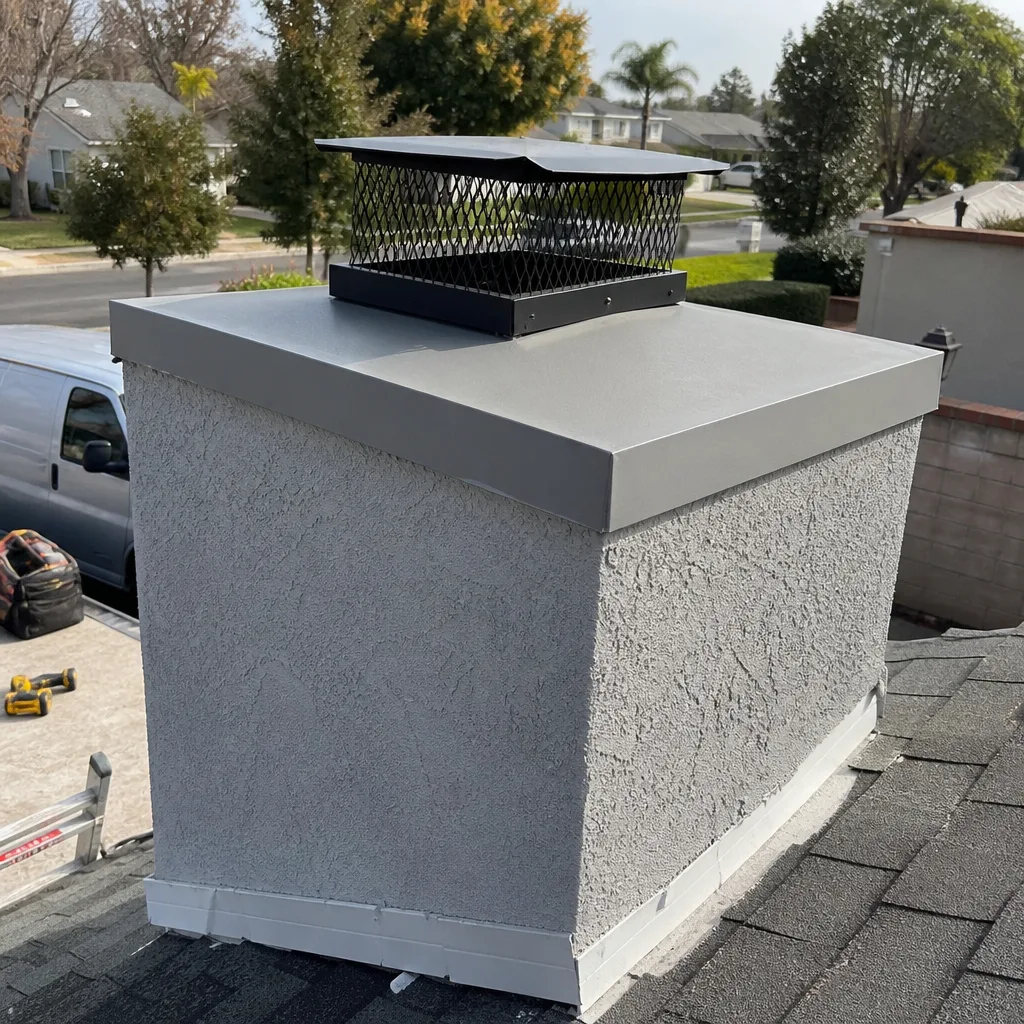
 Caps & crowns
 Flue relining
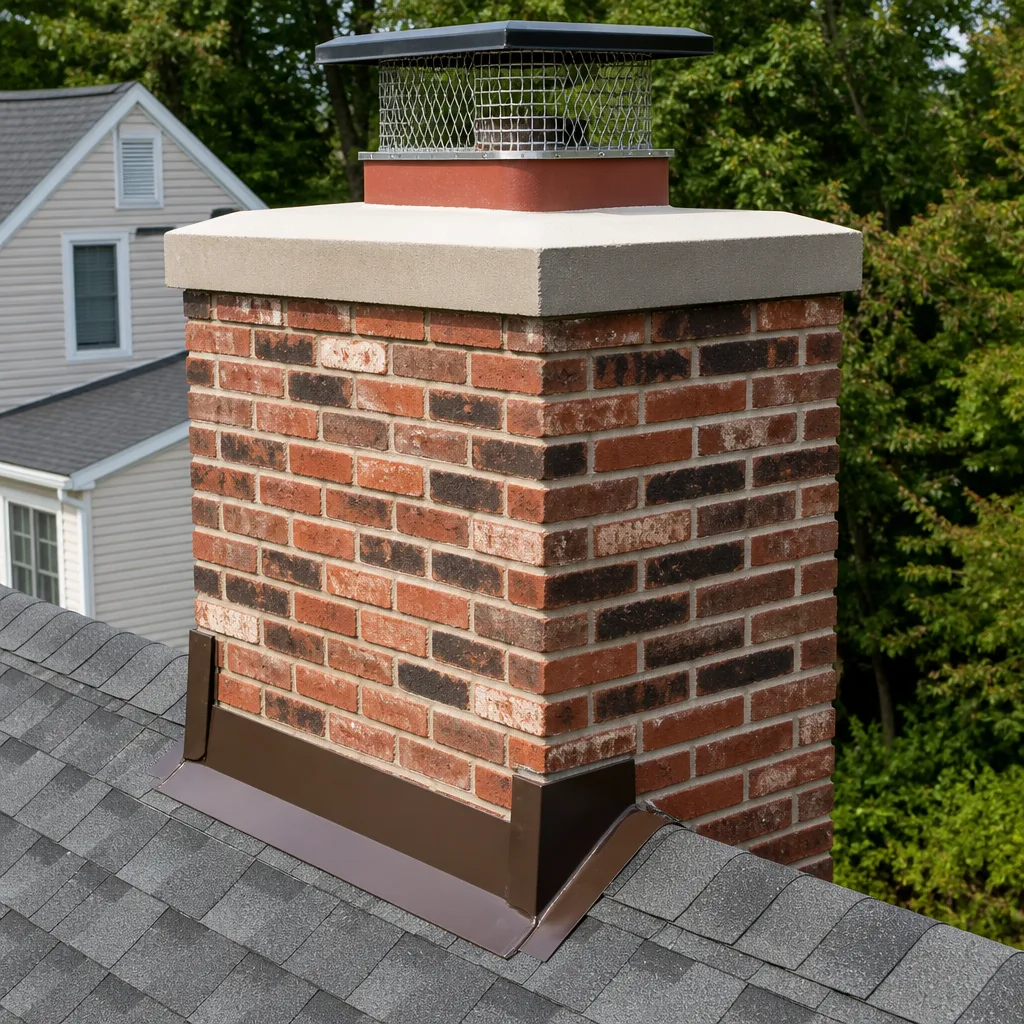 Masonry repair
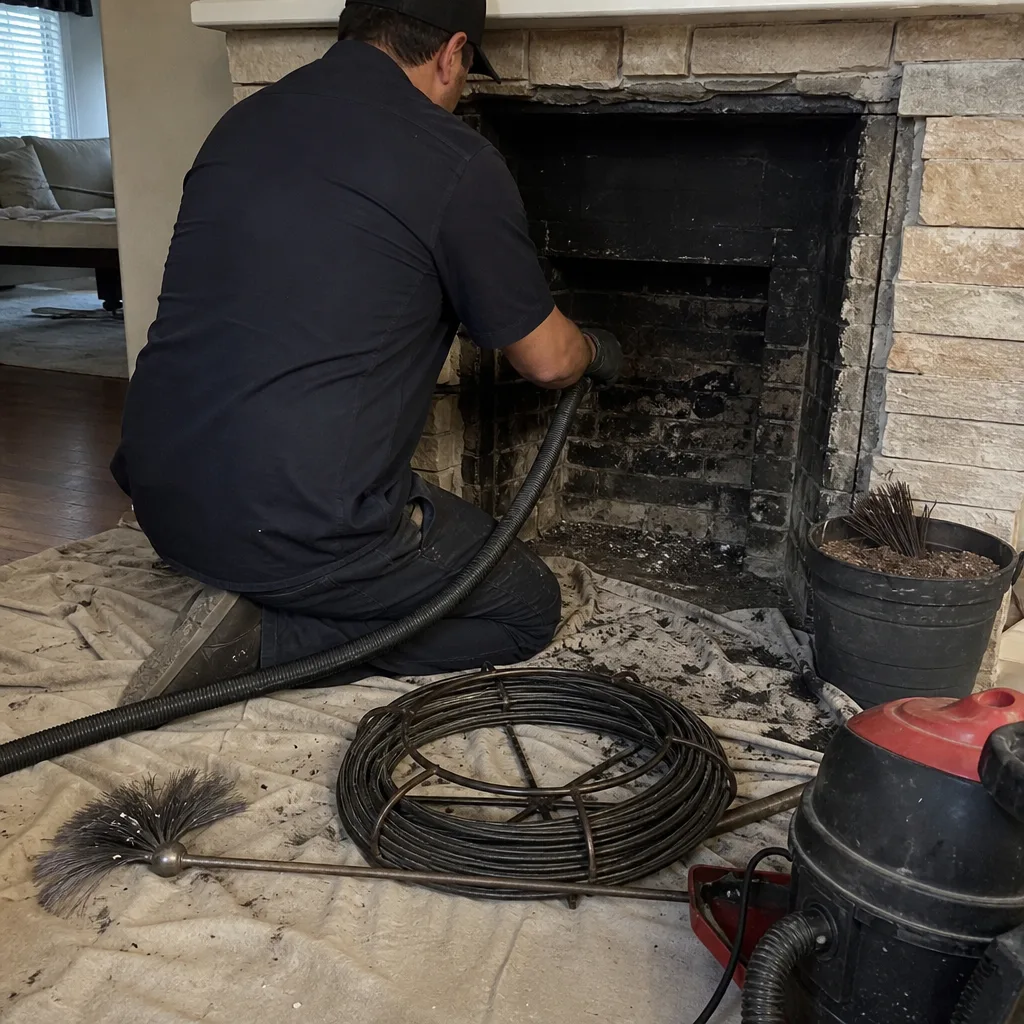
Level 1 sweep and inspection to the NFPA 211 annual standard - flue, crown, cap, and flashing checked and photographed
Chimney sweep logs do not sweep chimneys. They loosen some creosote - which then falls where a brush and vacuum still have to collect it.
Why Pocket Homeowners Choose HeatShield Chimney Cleaning
We provide independent HeatShield chimney cleaning, inspection, and repair service throughout Pocket, CA, with a focus on the cast-in-place ceramic lining systems installed in this neighborhood’s 1960s and 1970s homes. What sets our HeatShield work apart is that we actually know where these linings fail, the crown transition and the damper offset, and we address those failure points directly rather than just running a brush through and calling it done.
HeatShield is a ceramic flue lining system that gets troweled or pumped into an existing chimney and cures into a smooth, insulated surface. It’s a legitimate relining method, and when it’s installed well it holds up for decades. But it’s not indestructible. Over years of Delta-breeze moisture cycles and hot burns, the lining can separate where it meets the crown, crack at the offset above the damper, or delaminate from the original tile if the prep work wasn’t thorough. Those are the problems we see in Pocket, block after block. We’re an independent HeatShield repair in Pocket provider. We work with these systems, not for the manufacturer, which means our recommendations come from what the flue actually needs, not from a corporate playbook. Call (855) 943-1461 for a free estimate on HeatShield service in Pocket.
Why Trust Meadow Chimney Sweep for Your HeatShield Chimney Cleaning?
HeatShield systems demand a technician who understands what a ceramic lining should and shouldn’t look like after years of use. Our crew has relined and restored dozens of HeatShield-treated flues across Meadowview and the greater Sacramento area, and we recognize the early warning signs before they become expensive failures: hairline cracking at the flue-to-crown transition, small spalled patches where the bond to the original tile was weak, and soot accumulation patterns that suggest an offset is narrowing.
Russell Tate, our owner and lead chimney sweep, grew up in Pocket and spent weekends along the Sacramento River levees long before he ever thought about what was happening inside people’s fireplaces. He picked up the fundamentals of the trade through the construction and building technology program at Sacramento City College, then spent years doing hands-on chimney work across the south Sacramento neighborhoods he knows well. These days he’s recognized around Pocket for the kind of unhurried inspection that actually catches what matters: creosote buildup, cracked flue tiles, dampers that only look like they’re sealing. That patience matters with HeatShield work, because rushing a camera run or skipping a seam in the inspection misses exactly the failures this system is prone to. A clean chimney isn’t exciting, and that’s exactly the point. We’d rather be thorough than quick.
We use genuine HeatShield-spec materials for any repair to an existing lining. Off-brand compounds won’t bond to the ceramic surface, and using them compromises the entire flue’s integrity. If your HeatShield lining is sound, we clean and preserve it. If it’s failed, we tell you plainly whether resurfacing will hold or a full reline is necessary. No guesswork, no pressure.
Styles & brands we work with
- Sweep & inspection
- Caps & crowns
- Flue relining
- Masonry repair
- Gas fireplace service
Common HeatShield Chimney Cleaning Problems We Fix in Pocket
After servicing HeatShield systems throughout the Pocket Road corridor and surrounding streets, we’ve cataloged the recurring issues these linings exhibit as they age. Here are the five we see most often:
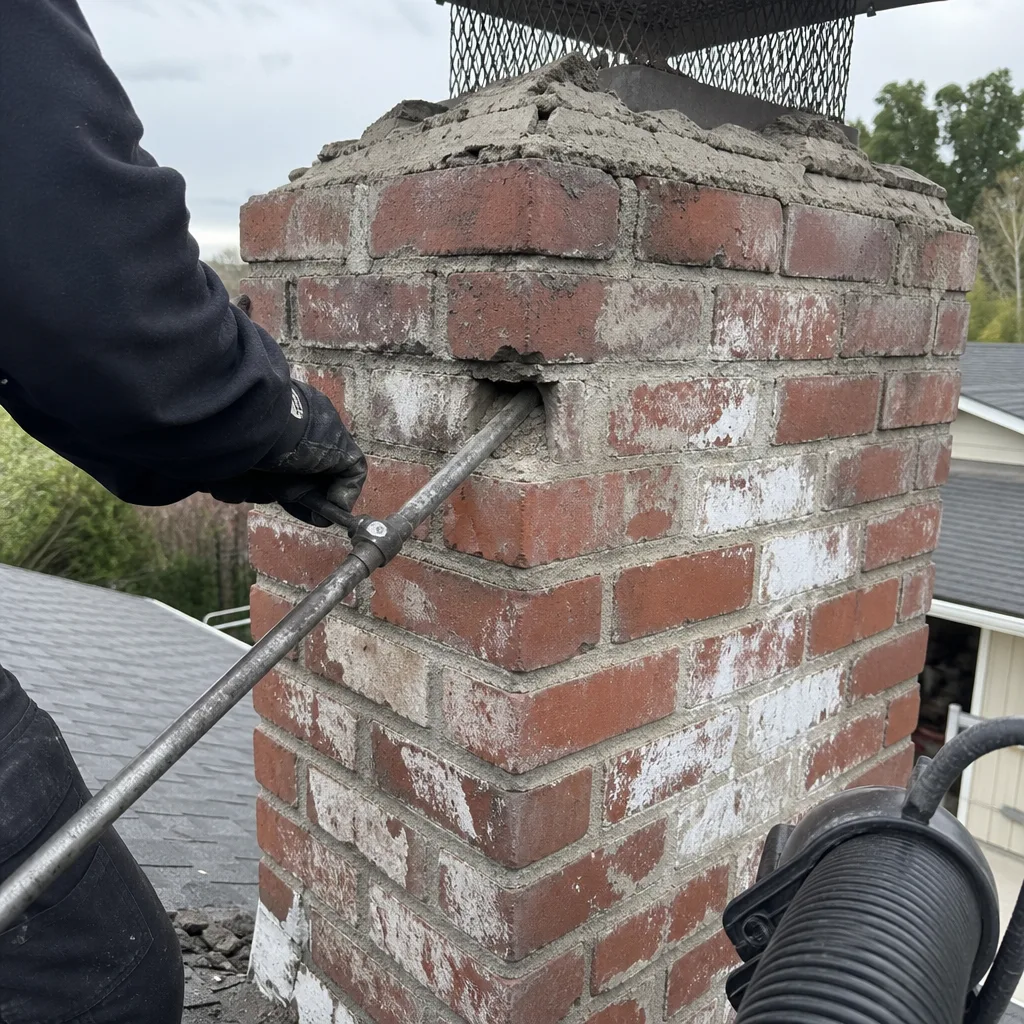
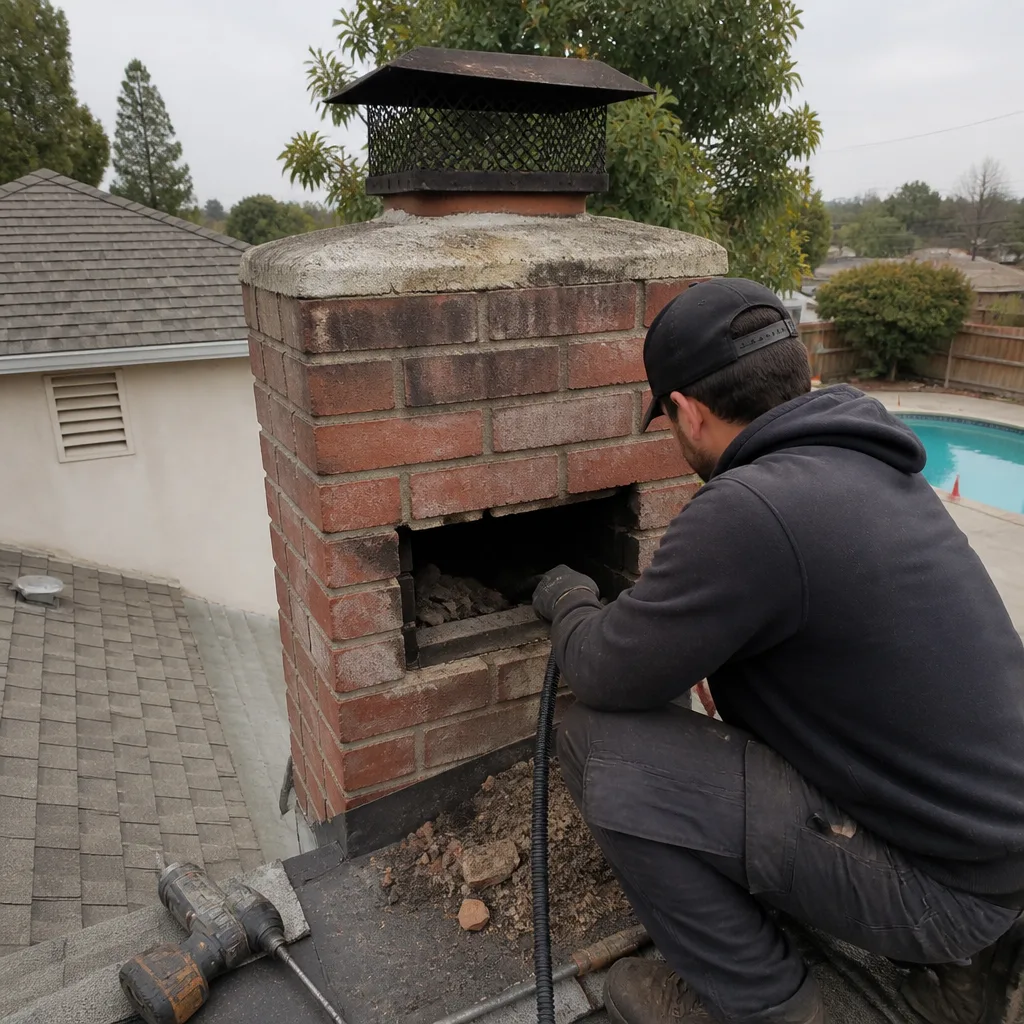
- Ceramic separation at the crown transition. The junction where the HeatShield lining meets the chimney crown is the most vulnerable point on the system. Decades of Sacramento Delta temperature swings, from hot dry summers to damp winters, cause the masonry and the ceramic to expand and contract at slightly different rates. The result is a gap that lets water and creosote seep behind the lining. We caught this exact failure on a Pocket cul-de-sac recently: a homeowner called because smoke was rolling back into the living room, and our Level 2 camera run showed the HeatShield ceramic lining cracked at the crown transition with stage-three creosote trapped above the damper.
- Delamination of the HeatShield surface. When the original clay tile was heavily glazed or coated in oily creosote before the HeatShield was applied, the ceramic bond never properly set. Over years of heating and cooling, that surface begins to spall and flake away in patches. We see this in Pocket homes where decades of burning soft local woods created a slick, glazed interior long before the reline ever happened.
- Seam cracks after repeated cycling. HeatShield is applied in sections, which means seams are inherent to the system. After years of expansion and contraction, those seams can open up, exposing the masonry chase behind the lining. This is especially common in exterior-wall fireplaces, which catch the prevailing Delta breeze off the river and experience more extreme temperature swings than interior chase fireplaces.
- Soot blockage at the damper offset. HeatShield reduces the flue’s interior dimensions slightly, so anywhere the chimney already had an offset, like the angled section above a throat damper, becomes a narrower pass-through. Glazed creosote and soot accumulate there faster than in the rest of the flue. We routinely clear blockages at these offsets that a standard top-down sweep wouldn’t fully address.
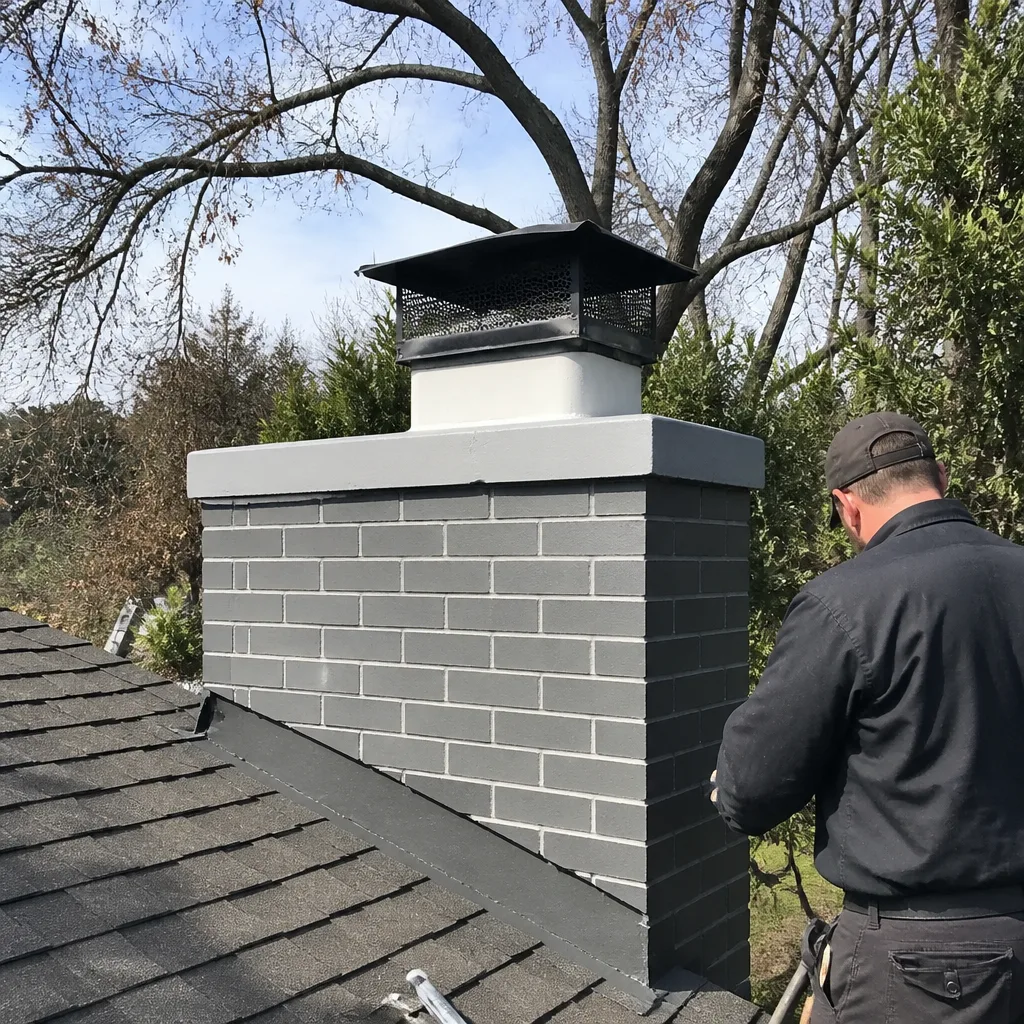
- Water intrusion through compromised caps and spark arrestors. Pocket’s exterior-wall fireplaces sit directly in the path of the Delta breeze, so caps and spark arrestors clog with leaves, debris, and moisture faster than inland Sacramento homes do. A clogged cap traps condensation inside the flue, which the HeatShield surface absorbs. Over time that moisture weakens the ceramic bond and accelerates crown transition failures.
HeatShield Parts & Our Repair-vs-Replace Approach
When an existing HeatShield lining shows signs of failure, we follow a straightforward decision path. First, we diagnose the extent of the damage with a camera inspection. If the lining is sound but dirty, we clean it and preserve it. If there’s localized cracking at the crown transition or minor spalling, we use genuine HeatShield-spec resurfacing compound to repair the affected area. That material is designed to bond to the existing ceramic, which aftermarket patching compounds simply won’t do.
If the lining has separated structurally, with cracks running through seams or widespread delamination, we’re honest about what a patch can and can’t accomplish. In some cases resurfacing restores integrity for years. In others, a full reline using the HeatShield CeCure Sleeve system or a complete recast is the right call. We don’t patch over a cracked flue and call it good, because that’s how a homeowner ends up paying twice.
For Pocket homeowners deciding between repair and replacement, we walk through what we saw on camera, what it means for the next five years, and what each option costs. You get to make the call with your own eyes on the evidence. Call (855) 943-1461 if you’d like us to take a look at your HeatShield system and give you an honest recommendation.
Our HeatShield Service Process – Step by Step
Servicing a HeatShield-lined flue isn’t the same as sweeping a bare clay tile. The ceramic surface requires specific tools and techniques to avoid scoring or damaging the lining. Here’s the process we follow on every HeatShield job in Pocket:
- 1
Visual and camera inspection. We start with a thorough look at the firebox, damper, and crown, then run a Level 2 camera up the flue. This shows us the condition of the HeatShield surface, the integrity of the crown transition, and any narrowing at offsets. The camera footage is yours to see.
- 2
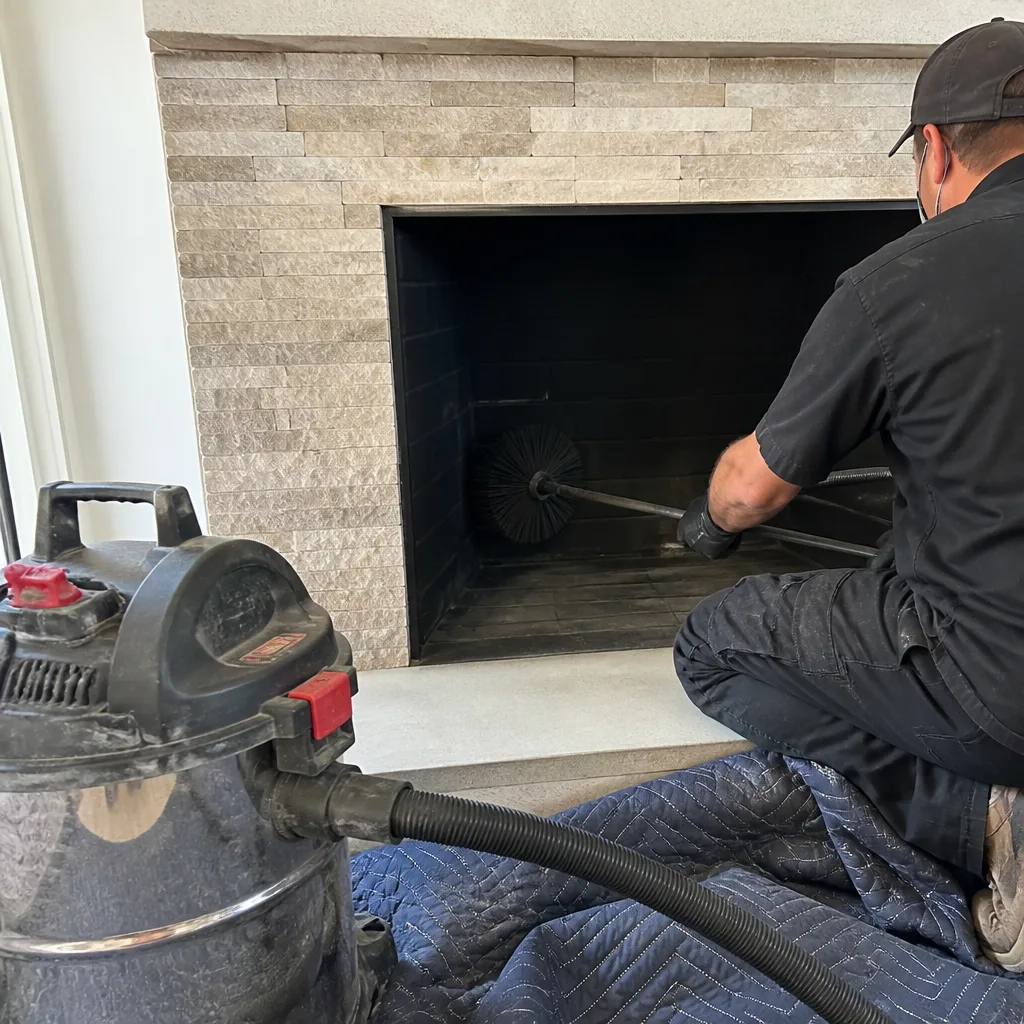
Creosote removal and flue cleaning. We use brushes and tools rated for use on ceramic-lined flues. Glazed stage-three creosote gets addressed with tools that break through the glaze without gouging the lining. The goal is a clean surface that lets us properly evaluate the HeatShield condition underneath.
- 3
Targeted repair. If the inspection reveals cracking at the crown transition, spalling, or seam separation, we discuss repair options using HeatShield-spec materials. Crown repair is handled with CrownSeal products, and if the lining itself needs resurfacing, we use the appropriate compound for the existing ceramic.
- 4
Test burn and draft verification. After cleaning and any repairs, we verify draft with a test burn or smoke test. A properly functioning HeatShield flue should draw cleanly with no rollback into the living space.
- 5
Documentation and follow-up. You receive a written summary of what we found, what we did, and our recommendation for when the system should be inspected next. No mystery, no vague warnings. Just the facts from the camera run and what they mean for your fireplace.
See the difference
 Before
 After
 Before
 After
 Before
 After
HeatShield Products We Service & Install in Pocket
Our Valley Hi crew works with the full HeatShield product range, both for new installations and repair of existing systems. The original cast-in-place HeatShield ceramic flue lining is the most common system we encounter in this neighborhood, installed primarily in fireplaces that originally had clay-tile liners. We also service and install the HeatShield CeCure Sleeve, a composite ceramic-and-fabric sleeve used for relining where the original flue is too damaged or misshapen for a standard cast. For localized repair, we use HeatShield Resurfacing compound, and for crown failures we work with HeatShield CrownSeal products. We keep the most commonly needed resurfacing and crown materials in stock for faster turnaround on Pocket jobs, and order additional HeatShield-spec materials as each project requires.
We Also Service These Brands
While HeatShield is a focus of our expertise, we’re not limited to a single manufacturer. We regularly work with DuraFlex stainless steel liners and Gelco refractory products across Greenhaven and the wider Sacramento area. Being multi-brand means we can recommend what’s genuinely right for your chimney, not just what we happen to be most familiar with.
FAQs – HeatShield Chimney Cleaning Service in Pocket
Yes, when done correctly. HeatShield surfaces are smooth, but they’re not immune to damage from overly aggressive brushing or scraping. We use tools rated for ceramic-lined flues and inspect the lining surface before and after cleaning to confirm no scoring or gouging occurred. We’ve cleaned dozens of HeatShield flues in Pocket without damaging the lining, and we know which techniques and tools work safely on this material.
The most common warning signs are smoke rollback into the living room, visible cracks in the crown or flue tile area, chunks of ceramic material in the firebox, or water staining on the chimney breast. In Pocket, we also watch for draft issues that appear seasonally, especially when the Delta breeze is strongest. The only way to confirm a HeatShield failure is with a camera inspection, which we provide on every service call. Call (855) 943-1461 and we’ll schedule a Level 2 camera run.
Cleaning alone won’t solve the problem if creosote has accumulated in the offset above the damper because of a narrowing from the HeatShield lining. We remove the blockage, but we also identify why it built up there in the first place. Sometimes it’s simply years of use. In other cases, it signals a structural issue in the offset that needs repair. After we clean, we show you the camera footage so you can see whether the offset looks stable or needs further attention.
In most cases, the crown can be repaired without removing or disturbing the HeatShield lining. The crown transition is a common failure point, and we use CrownSeal materials to repair it properly. The key is catching the crown deterioration before water intrusion damages the lining behind it. If the crown has already been compromised long enough that the lining has separated, then both may need attention. A camera inspection tells us which situation you’re dealing with.
We install both the original cast-in-place HeatShield ceramic lining system and the CeCure Sleeve, in addition to servicing existing HeatShield-lined flues. So if your Pocket fireplace needs a full reline, we can handle the complete job. If your existing HeatShield lining is salvageable with targeted repairs, we’ll tell you that instead. We’re an independent service provider, not a manufacturer rep, which means our recommendation is based on your flue’s actual condition.
HeatShield chimney cleaning in Pocket typically runs $180 to $340 for a standard maintenance sweep, depending on the extent of creosote buildup and whether any repairs are needed. A Level 2 camera inspection is often quoted separately and ranges from $150 to $300. Repair costs vary widely based on what we find: crown sealing might be $200 to $500, while a full HeatShield reline typically falls in the $4,000 to $8,000 range depending on flue length and access. Call (855) 943-1461 for an exact quote, estimates are free and we’ll walk you through every number before any work begins.
Book Your HeatShield Service in Pocket, CA
If your Pocket fireplace has a HeatShield lining, or you’re considering one for your chimney, give us a call. We’ll schedule an inspection, show you exactly what’s happening inside your flue, and recommend only what the camera evidence supports. Reach Meadow Chimney Sweep at (855) 943-1461 for a free estimate.
Written by Russell Tate, Owner at Meadow Chimney Sweep, serving Pocket since he opened the doors with a van full of brushes and a camera that’s paid for itself a hundred times over.