
Last updated November 2, 2026
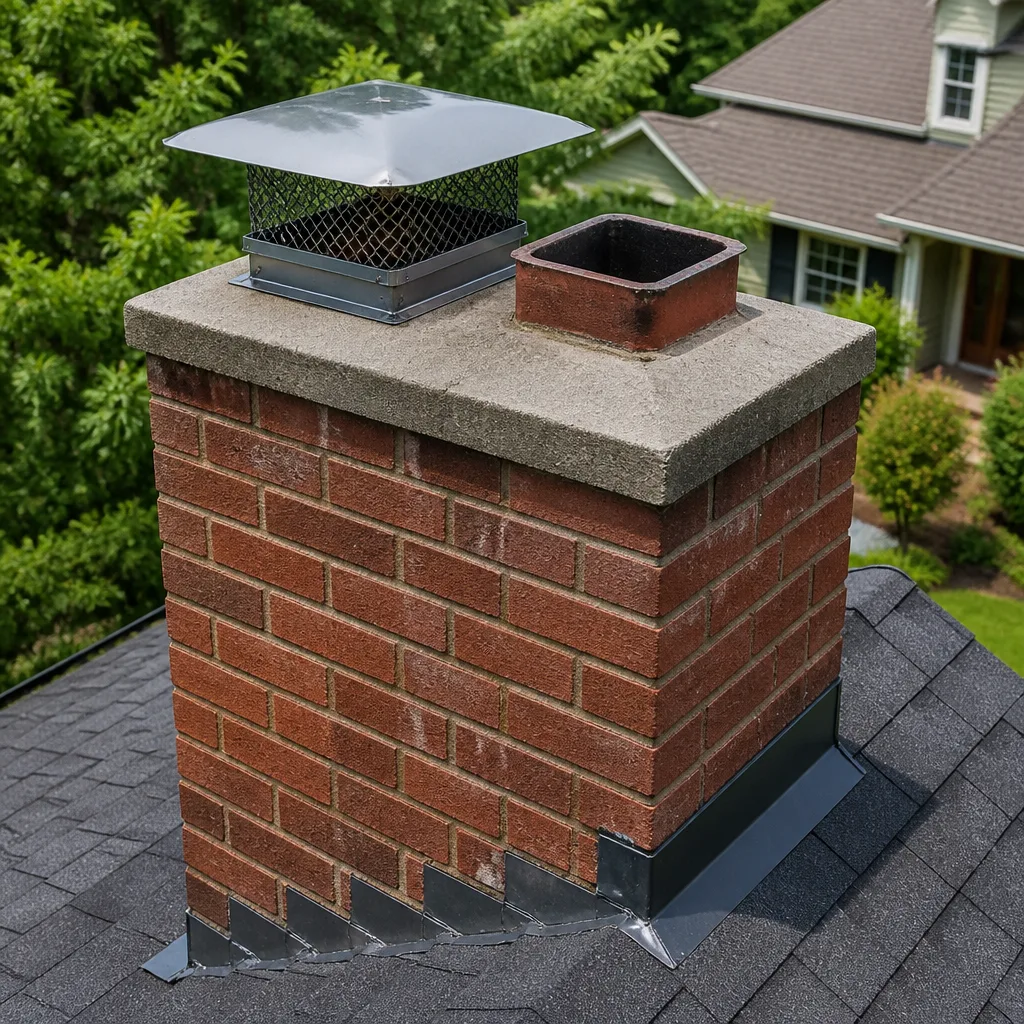 Sweep & inspection
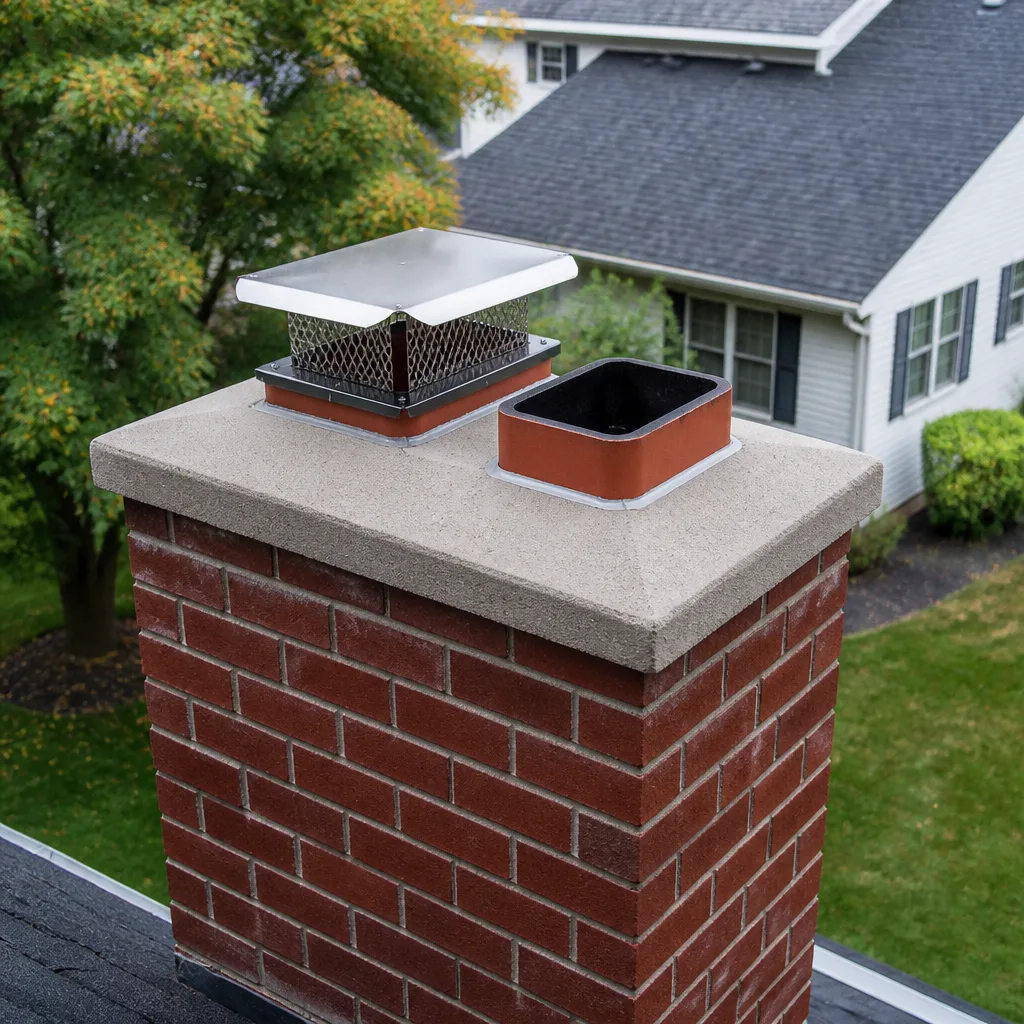 Caps & crowns
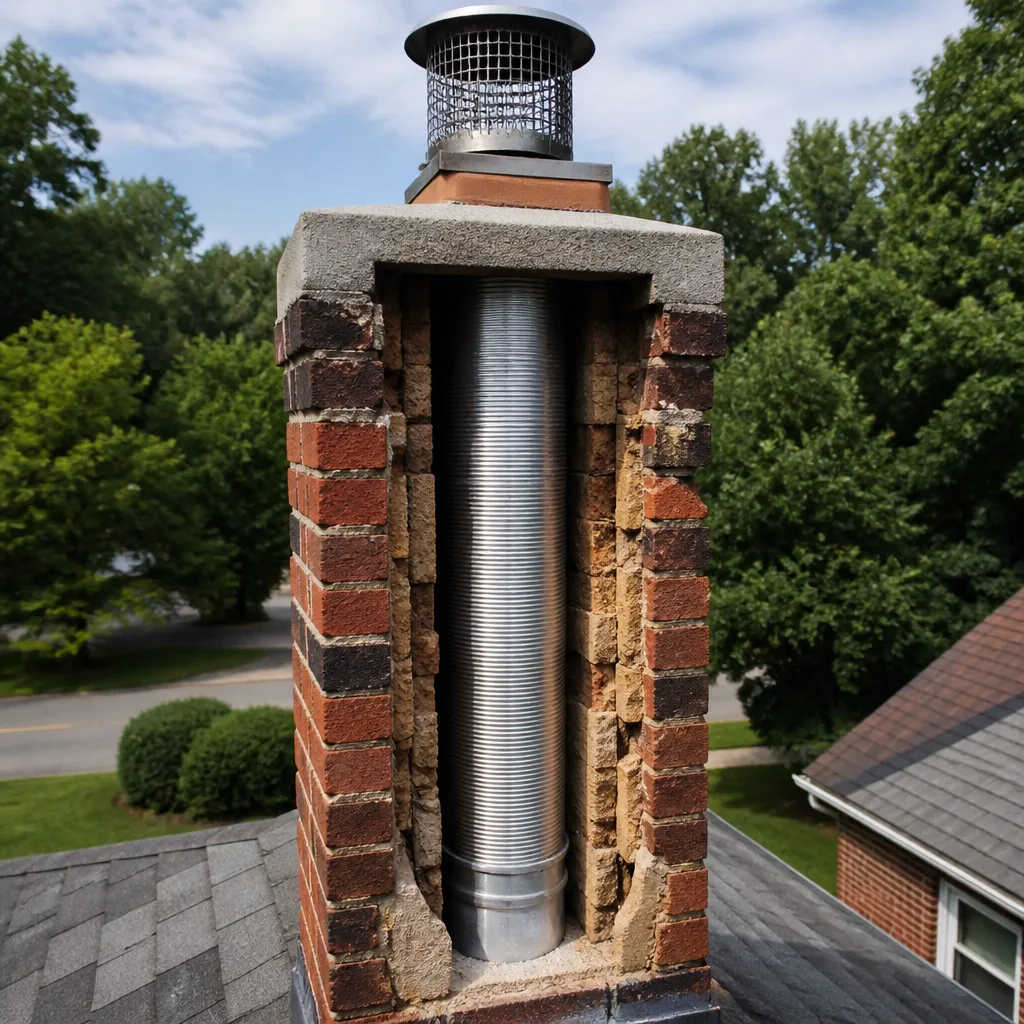 Flue relining
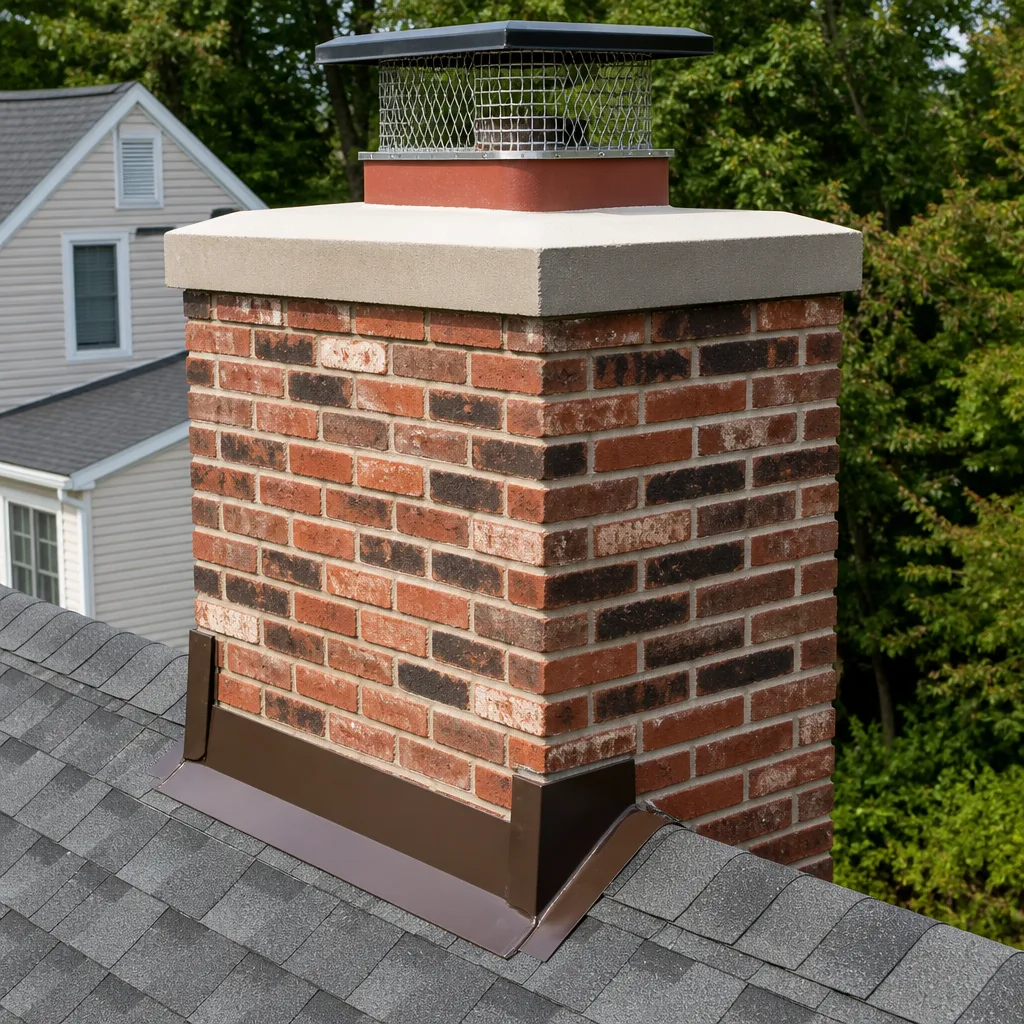 Masonry repair
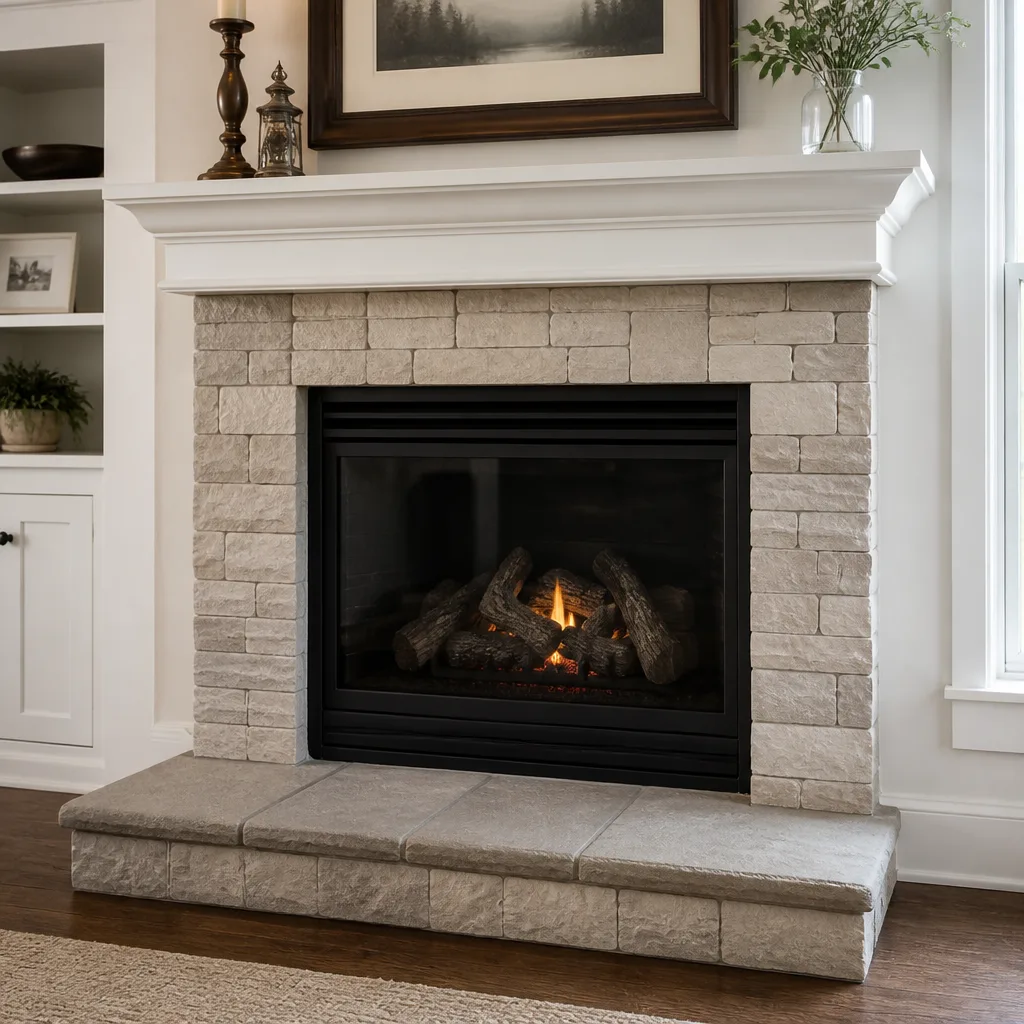 Gas fireplace service
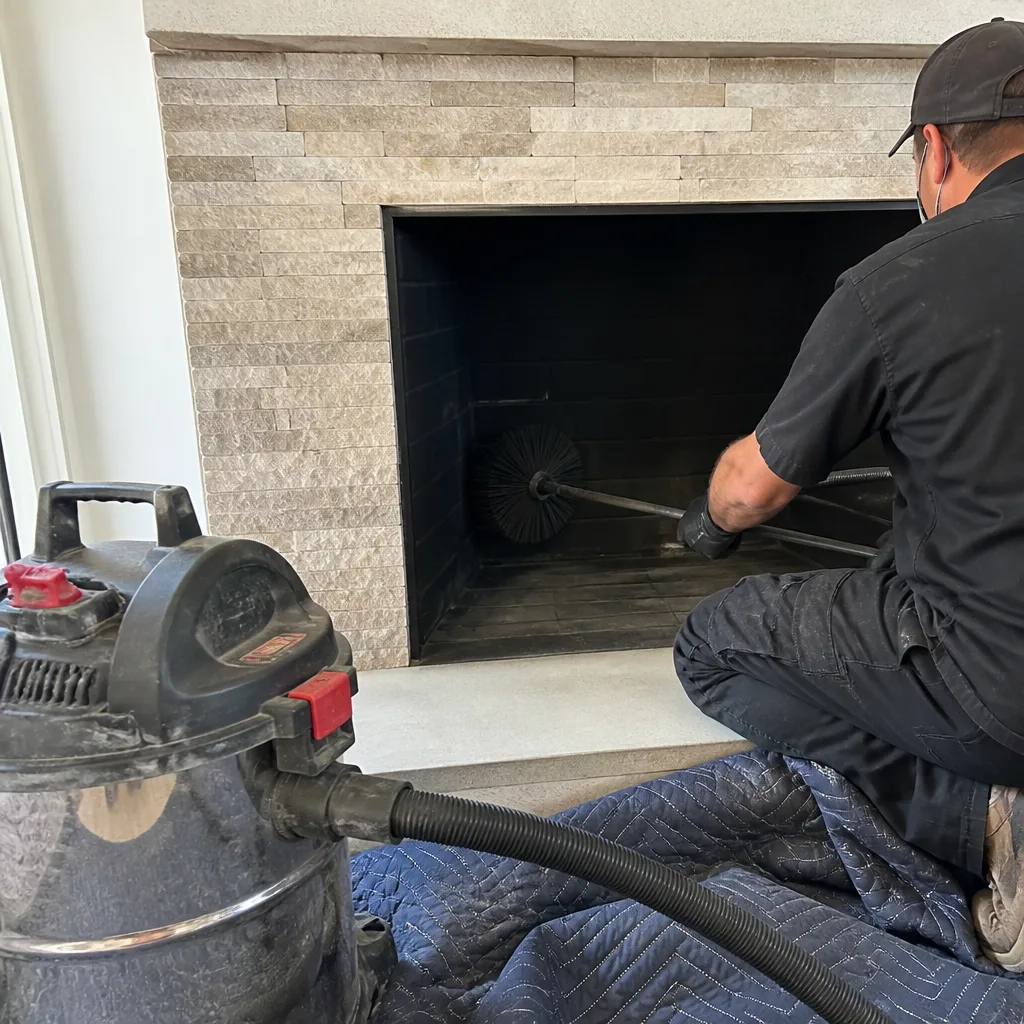
Level 1 sweep and inspection to the NFPA 211 annual standard - flue, crown, cap, and flashing checked and photographed
Chimney sweep logs do not sweep chimneys. They loosen some creosote - which then falls where a brush and vacuum still have to collect it.
Chimney Cleaning Cost Breakdown: The Pocket Homeowner’s Reference for 2026
A $79 chimney cleaning special and a $350 chimney cleaning can both be fair prices, or both be rip-offs, depending entirely on what’s actually included. Most quotes don’t tell you. This guide breaks down chimney cleaning costs line by line so Pocket homeowners can evaluate what they’re being sold rather than just comparing bottom-line numbers. You’ll learn what drives pricing, which add-ons actually matter, and how to spot the difference between a thorough sweep and a drive-by brushing.
Styles & brands we work with
- Sweep & inspection
- Caps & crowns
- Flue relining
- Masonry repair
- Gas fireplace service
Quick Answer
Chimney cleaning in Pocket, CA typically costs between $180 and $350 for a standard sweep with a Level 1 inspection in 2026. The final price depends on flue length, creosote buildup stage, chimney accessibility, and whether you add a Level 2 camera inspection, which runs an additional $150 to $300 in the Sacramento market. For details on local requirements, see our guide to Chimney Cleaning Permits, Codes & Inspections in CA: What You Need to Know.
Table of Contents
- What Actually Drives Chimney Cleaning Cost in Pocket
- 2026 Price Ranges: Sweep, Inspection, and Camera Scan
- Which Add-On Services Are Worth Paying For
- The Creosote Stage Problem: The Biggest Pricing Variable Nobody Mentions
- How Pocket’s Housing Stock Affects Chimney Cleaning Prices
- The Cost of Not Cleaning: What Deferred Maintenance Actually Costs
- How to Read a Chimney Cleaning Quote in Pocket
- Common Mistakes to Avoid
- When to Call a Professional
- Frequently Asked Questions
- The Bottom Line
What Actually Drives Chimney Cleaning Cost in Pocket
Chimney cleaning isn’t priced like a flat-rate car wash. The final invoice reflects a handful of variables that most Sacramento-area companies never explain on the phone. Understanding these variables puts you in a position to ask the right questions before the technician ever pulls into your Pocket driveway.
Flue length and chimney height. A single-story Pocket ranch home with a standard masonry chimney typically has a flue running 12 to 15 feet from firebox to cap. A two-story home on Pocket Road or along the river might have a flue twice that length. Longer flues take longer to sweep and require more rod sections. That’s labor time, and labor is the bulk of any chimney cleaning bill.
Creosote accumulation stage. This is the variable that changes everything, and we’ll cover it in depth below. A flue with light, dusty Stage 1 creosote sweeps clean in under an hour. Stage 3 creosote, the hard, glazed tar-like coating that forms after years of unseasoned wood burning or low-temperature fires, can take three times as long and requires chemical treatment before mechanical brushing even works.
Accessibility. Steep roof pitches, tile roofs that can’t be walked on safely, chimneys boxed in by nearby trees, and second-story stacks that require tall ladder setups all add time and risk. Some Pocket homes built in the 1960s and 70s have chimneys positioned tight against property lines, which means the technician needs ladder stabilizers or a second person for safety.
Inspection level. A standard cleaning includes a Level 1 inspection, which is a visual check of accessible portions of the chimney. A Level 2 inspection adds a camera scan of the entire flue interior, and it’s required when you’ve had a chimney fire, a change to the venting system, a property transfer, or an earthquake event. Sacramento’s seismic activity makes Level 2 inspections more common here than in other parts of the country.
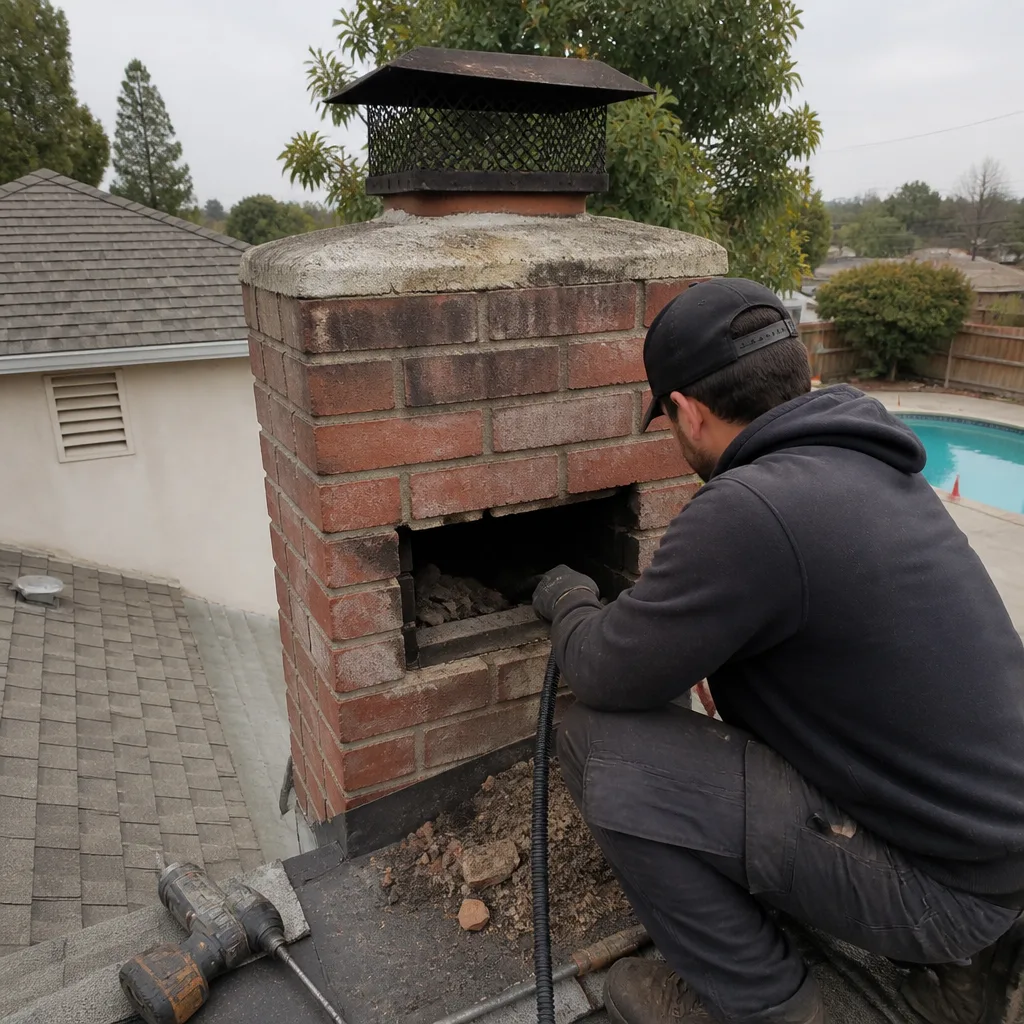
What’s between the roof and the flue. Bird nests, squirrel debris, raccoon intrusions, and leaf accumulation from Pocket’s mature tree canopy all have to be removed before sweeping can start. That’s extraction work, and it’s generally billed separately from the sweep itself.
2026 Price Ranges: Sweep, Inspection, and Camera Scan
Here’s what Pocket homeowners should expect to pay in 2026, based on the current Sacramento market. These are realistic ranges, not the $49 coupon numbers that get a technician to your door so they can upsell you on things you may not need.
| Service | Typical Range | What It Includes |
|---|---|---|
| Standard chimney sweep with Level 1 inspection | $180 – $300 | Full flue brushing, firebox cleanup, visual inspection of accessible chimney components, basic smoke drawer check |
| Level 1 inspection only (no cleaning) | $100 – $175 | Visual assessment of fireplace, damper, smoke chamber, and exterior chimney condition |
| Level 2 camera scan (add-on or standalone) | $150 – $300 | Full interior flue video inspection, typically with written report and still images |
| Dryer vent cleaning (standalone) | $110 – $180 | Full duct run cleaning from dryer to exterior vent, lint trap service, airflow check |
| Chimney cap installation (add-on during sweep) | $150 – $350 | Cap, screen, and installation labor; pricing varies by flue size and roof access |
| Glazed creosote removal (Stage 3) | $200 – $500 extra | Chemical treatment plus mechanical removal; often requires multiple visits |
These numbers reflect what we see across the Pocket and greater Sacramento area. The spread within each range comes down to flue height, accessibility, and current flue condition. A single-story ranch in the Greenhaven-adjacent portion of Pocket will land near the bottom. A two-story riverfront home with a steep roof pitch will land near the top, and that’s appropriate.
One note on the $79 and $99 specials that circulate on mailers and social media every fall: those prices cover a basic sweep and nothing else. Some companies use them as lead generators and then add inspection fees, damper service, cap costs, and other line items before the visit ends. Others are honest introductions. The problem is you can’t tell from the coupon which one you’re dealing with. That’s why this guide exists.
For homeowners in Pocket specifically, the Chimney Sweep in Pocket page covers local service details and what a full cleaning includes when you book with a specialist rather than a generalist.
Which Add-On Services Are Worth Paying For
Every chimney company has add-ons. Some are genuinely important. Some are profit padding. Here’s how to tell the difference in the Pocket market.
Worth paying for:
- Chimney cap with spark arrestor. If your chimney doesn’t have one, you’re inviting rain, birds, and embers into places they shouldn’t be. A quality stainless cap costs $150 to $350 installed and prevents hundreds in animal removal and water damage later. Pocket’s tree cover means leaf and bird debris is a constant issue.
- Damper repair or replacement. A damper that doesn’t seal properly drafts heated air out of your home all winter and pulls conditioned air out all summer. Fixing it pays for itself in one Sacramento summer.
- Waterproofing treatment. Chimney masonry absorbs water, and Sacramento’s winter wet season followed by summer dry heat causes expansion and contraction cycles that crack mortar over time. A siloxane-based water repellent applied during a sweep typically costs $100 to $250 and extends masonry life meaningfully.
- Dryer vent cleaning. Not an upsell. It’s a separate fire-safety service that shares the same skill set. If you haven’t had yours cleaned in two years or longer, see the Dryer Vent Cleaning in Pocket page for what’s involved and why it matters.
Question the necessity:
- Sealant treatments on a chimney with no visible cracks. If the masonry is sound and the crown is intact, sealants are optional. Ask the technician to show you the cracks they’re treating before saying yes.
- Anti-creosote chemical logs sold as a substitute for sweeping. These products can reduce creosote in some conditions, but they do not replace mechanical cleaning. If a company suggests you can burn these instead of sweeping, find another company.
- Full relining quotes delivered before a camera scan. A liner recommendation without video evidence is a sales pitch. A legitimate recommendation comes with images you can see and an explanation of why the liner is actually failing. More on this below.
Meadow Chimney Sweep works with professional-grade materials from brands like HeatShield, DuraFlex, and Gelco. These are the same products certified chimney technicians use nationwide. When repair work is recommended, it’s done with materials built for chimney systems specifically, not whichever general-purpose product happens to be on a shelf. And because Chimney Repair in Pocket is handled in-house, one call covers the sweep and whatever the sweep uncovers.
The Creosote Stage Problem: The Biggest Pricing Variable Nobody Mentions
Here’s the piece most cost guides skip entirely. When a technician arrives at your Pocket home, the creosote inside your flue is already at a specific stage. That stage determines how long the cleaning takes, what methods are required, and whether the base price on your quote still applies.
Stage 1: Fine, dusty soot. This is the soft, flaky residue from well-seasoned hardwood burned at proper temperatures. It brushes off easily. A flue in Stage 1 condition cleans quickly, and your $180 to $250 sweep quote holds.
Stage 2: Flaky, granular creosote with some hardness. This forms when fires burn at lower temperatures, when softer wood like pine is used, or when the flue runs cool. It requires more aggressive brushing and takes longer. Expect to pay toward the upper end of the standard range.
Stage 3: Glazed, tar-like coating. This is a thick, shiny, hardened deposit that clings to flue walls and resists mechanical brushing entirely without chemical softening first. Stage 3 creosote is a genuine fire hazard. Removal often requires multiple visits or extended chemical dwell times, and it can push a cleaning to $500 or more even before any repairs.
You can’t see the inside of your flue from the firebox in most chimneys. But there are indicators. Dark, shiny patches visible from the top of the flue, a strong acrid smell on humid days, visible smoke spillage, or a history of burning unseasoned wood all point toward heavier buildup.
When we encounter Stage 3 creosote in Pocket homes, we explain what we’re seeing, we show images from the camera scan when a Level 2 is being done, and we walk through the removal options before any extra work proceeds. No surprises, no line items added without a conversation.
How Pocket’s Housing Stock Affects Chimney Cleaning Prices
Pocket isn’t a generic Sacramento suburb. The housing stock here ranges from mid-century single-story ranches near the northern edge of the neighborhood to newer two-story homes along the river, and each type presents different chimney cleaning realities. For emergency planning tips specific to this area, see our Chimney Cleaning Emergency Preparedness Guide for Pocket Homes.
Single-story ranches. These homes, common in the original Pocket development areas, typically have shorter flues and roofs with moderate pitches. Chimney access is straightforward. This is the most economical chimney configuration to service, and most cleanings land in the $180 to $250 range.
Two-story homes, especially near the river. Taller chimneys mean longer flue runs and more rod sections. Many of these homes also have steeper roof pitches, which adds setup time and safety equipment. Expect $250 to $350 for a standard sweep, more if a second technician is needed for ladder support.
Homes with fireplace inserts or freestanding stoves. These aren’t rare in Pocket, especially in older homes where inserts were installed for efficiency. Inserts require removal or specialized access to clean the flue connection, which adds time. Some inserts can be cleaned from the top down without full removal, but sealed inserts need to come out. Budget $250 to $400 depending on the insert type.
River-adjacent properties. Increased humidity from the Sacramento River affects creosote formation and can accelerate rust on metal components like dampers and caps. Homes closer to the water tend to see slightly heavier buildup year over year compared to homes further inland in Pocket.
One more factor: tree cover. Pocket has significant mature tree canopy, and leaves, twigs, and bird nesting material find their way into uncapped chimneys regularly. If your chimney has been uncapped for more than a season, expect a debris removal line item of $50 to $150 before the sweep even starts.
The Cost of Not Cleaning: What Deferred Maintenance Actually Costs
A chimney cleaning every year or two costs somewhere between $180 and $350. Skipping it for five years saves $900 to $1,750. Here’s what that savings actually buys you in deferred costs.
Chimney fire damage. A chimney fire reaches temperatures above 2,000°F inside the flue. Masonry cracks, terra cotta liners shatter, mortar joints fail. After a chimney fire, you’re not paying for a cleaning. You’re paying for a Level 2 camera inspection to assess the damage, and likely a liner repair or full relining. HeatShield resurfacing or a DuraFlex stainless liner installation in the Sacramento market typically runs $2,500 to $7,000 depending on flue height and access. That’s 10 to 20 years of cleanings in a single repair bill.
Water damage from a blocked or damaged cap. An uncapped or corroded cap lets rain into the flue. Water mixes with creosote, creating an acidic slurry that eats through mortar joints and into adjacent drywall and framing. Interior water damage repair around a chimney stack can run $1,500 to $5,000 once you’re cutting drywall and replacing framing.
Animal intrusion. Raccoons, squirrels, and birds don’t need much of an opening to set up residence in an unmaintained chimney. Removal, cleanup, and sanitization runs $300 to $800. The cap that would have prevented it costs $150 to $350.
Carbon monoxide risk from a blocked flue. This is the one that doesn’t show up on an invoice. A partially blocked flue can push carbon monoxide back into the living space. CO is colorless and odorless. The annual cleaning isn’t just about fire risk. It’s about confirming that the system ventilating your fire is actually doing its job.
The math is simple: two cleanings a decade at current Pocket rates totals around $500 to $700. One liner replacement covers a decade of skipped cleanings. The Meadow Chimney Sweep home page explains our approach, which is built around catching problems early when they’re still cheap to fix.
How to Read a Chimney Cleaning Quote in Pocket
Here’s a step-by-step method for evaluating any chimney cleaning quote you receive, whether you’re in Pocket or anywhere else in the Sacramento area.
- Look for the inspection level. If a quote doesn’t mention what inspection level is included, ask. “Standard cleaning” should include Level 1. If you’ve had a chimney fire, a home sale, or a venting change, you need Level 2, and that should be stated explicitly.
- Ask what happens if they find Stage 3 creosote. Any legitimate company will tell you that glazed creosote costs more to remove and may require a follow-up visit. A company that says “one price covers everything” is either inexperienced or budgeting for aggressive upsells on-site.
- Check for cap and damper line items. These are legitimate add-ons if you need them. Ask for photos or a visual explanation of why they’re needed. A technician should be able to show you the rusted-through cap or the damper that won’t hold position.
- Ask about reporting. A Level 2 camera scan should produce a written report or at minimum still images you can see. If a company charges for a camera scan but provides no visual evidence of what they found, that’s a red flag in our book.
- Verify what “cleaning” includes. Firebox cleanup, smoke chamber brushing, and damper inspection should be part of any sweep. If those are listed as separate line items on a quote, ask what the base price actually covers.
- Ask about debris removal. If you know your chimney has been uncapped or unused for seasons, ask upfront whether animal or leaf debris removal is included or additional. A transparent company will tell you before they arrive rather than surprising you after the ladder goes up.
At Meadow Chimney Sweep, every recommendation comes with visual evidence when it involves repair work. We use the same inspection standards that certified chimney professionals across the country rely on, and when we identify a problem, we can usually fix it on the same visit because cleaning and repair are part of the same service line.
Common Mistakes to Avoid
- Choosing strictly on price. The cheapest quote in Pocket might be a company that skips the smoke chamber entirely or rushes through the flue brushing. Chimney cleaning is not a commodity service; the cheapest option is often the one that leaves half the job undone.
- Ignoring the inspection component. A sweep without a proper inspection is like getting an oil change without opening the hood. The cleaning removes creosote, but it’s the inspection that catches cracked liners, deteriorating mortar, and damper problems before they become structural.
- Burning unseasoned wood and wondering why the flue is always dirty. Fresh-cut wood has moisture content above 30%. Seasoned hardwood should sit at 20% or below. Burning wet wood creates the conditions for Stage 3 creosote, which is the most expensive form to remove. Whatever you spend on cleanings, you’ll spend more if you burn wet wood.
- Waiting for fall to book. September through December is peak chimney season in the Sacramento area. Prices are most negotiable and availability is best in spring and summer. Booking a spring cleaning means your chimney is ready before the first cold snap.
- Assuming a gas fireplace means zero maintenance. Gas logs still produce combustion byproducts, and vented gas logs can deposit residue on flue walls. A gas fireplace won’t build creosote the way wood does, but it still needs periodic inspection for venting integrity and carbon monoxide safety.
- Treating the dryer vent as unrelated to chimney care. It’s the same principle: a restricted venting system is a fire risk. Dryer vents clog with lint the way chimneys clog with creosote, and the cleaning frequency is similar. If your dryer takes longer than 45 minutes to dry a normal load, the vent is telling you something.
- Accepting a relining recommendation without camera evidence. A liner replacement is a multi-thousand-dollar job. No legitimate company should recommend one without showing you why. If the recommendation comes without images or a walk-through explanation, get a second opinion.
When to Call a Professional
Chimney cleaning is not a DIY job, and it’s not because professionals want to guard their trade. It’s because the work involves heights, confined spaces, and a component you can’t see from the ground. Here’s when to pick up the phone: you haven’t had a cleaning in two or more years and you burn regularly; you notice a strong acrid smell from the fireplace on warm or humid days; you see dark staining on chimney masonry or around the fireplace opening; your damper doesn’t open or close smoothly; you’ve had a chimney fire, even a small one; or you’re buying or selling a home in Pocket and the chimney hasn’t been inspected during escrow.
Meadow Chimney Sweep offers free estimates in Pocket. Call (855) 943-1461 to schedule a sweep, ask about inspection levels, or get a straightforward answer about what your chimney actually needs. No pressure, no scripted pitch. Just an honest assessment from someone who works on chimneys and venting systems all day, every day.
Frequently Asked Questions
A standard chimney cleaning with a Level 1 inspection in Pocket runs $180 to $300, while a Level 2 camera inspection adds $150 to $300. The total depends on flue height, creosote stage, roof accessibility, and whether debris removal or cap work is needed.
The National Fire Protection Association recommends sweeping when creosote reaches 1/8 inch thickness, which for most Sacramento homeowners who burn regularly translates to once per year. If you burn occasionally or use seasoned hardwood exclusively, every two years may suffice. Gas fireplace users should have an annual visual inspection even without creosote buildup.
You need a Level 2 inspection if you’ve had a chimney fire, you’re changing the venting configuration, you’re buying or selling the home, or the chimney has been damaged by an earthquake or weather event. For routine annual maintenance, a Level 1 visual inspection is adequate for most homes in Pocket.
Skipped cleanings allow creosote to accumulate, and creosote is fuel. A chimney fire can crack your flue liner, damage masonry, and in the worst case spread into the home’s framing. The repair cost after a chimney fire typically exceeds $2,500 and can reach $7,000 or more. Annual cleanings cost a fraction of that.
We don’t recommend it. Chimney cleaning requires working at roof height with specialized brushes sized to your exact flue dimensions. A too-small brush leaves creosote behind; a too-large brush can damage the liner. Beyond the safety risk of ladder work, a professional brings inspection expertise that a DIY brush job can’t replicate. The inspection finds problems before they become emergencies.
We serve the entire Pocket and Little Pocket area, including homes along Pocket Road, Riverside Boulevard, and the surrounding streets. If you’re not sure whether you’re in our service area, call (855) 943-1461 and we’ll let you know right away.
The Bottom Line
Chimney cleaning prices in Pocket vary by 300% or more because the job itself varies that much. Flue height, creosote stage, accessibility, and inspection level all move the number. The wise move isn’t to hunt for the cheapest price; it’s to understand what a quote includes and ask the right questions. A fair price for a thorough sweep with a proper inspection is $180 to $350 in this market. Waiting until there’s a problem means paying repair prices instead of maintenance prices. If you’re in Pocket and want a straight answer about your chimney, call (855) 943-1461. We’ll tell you what you need and what you don’t, and we’ll show you the evidence for anything we recommend.
Written by the team at Meadow Chimney Sweep, serving Pocket since 2018.
See the difference
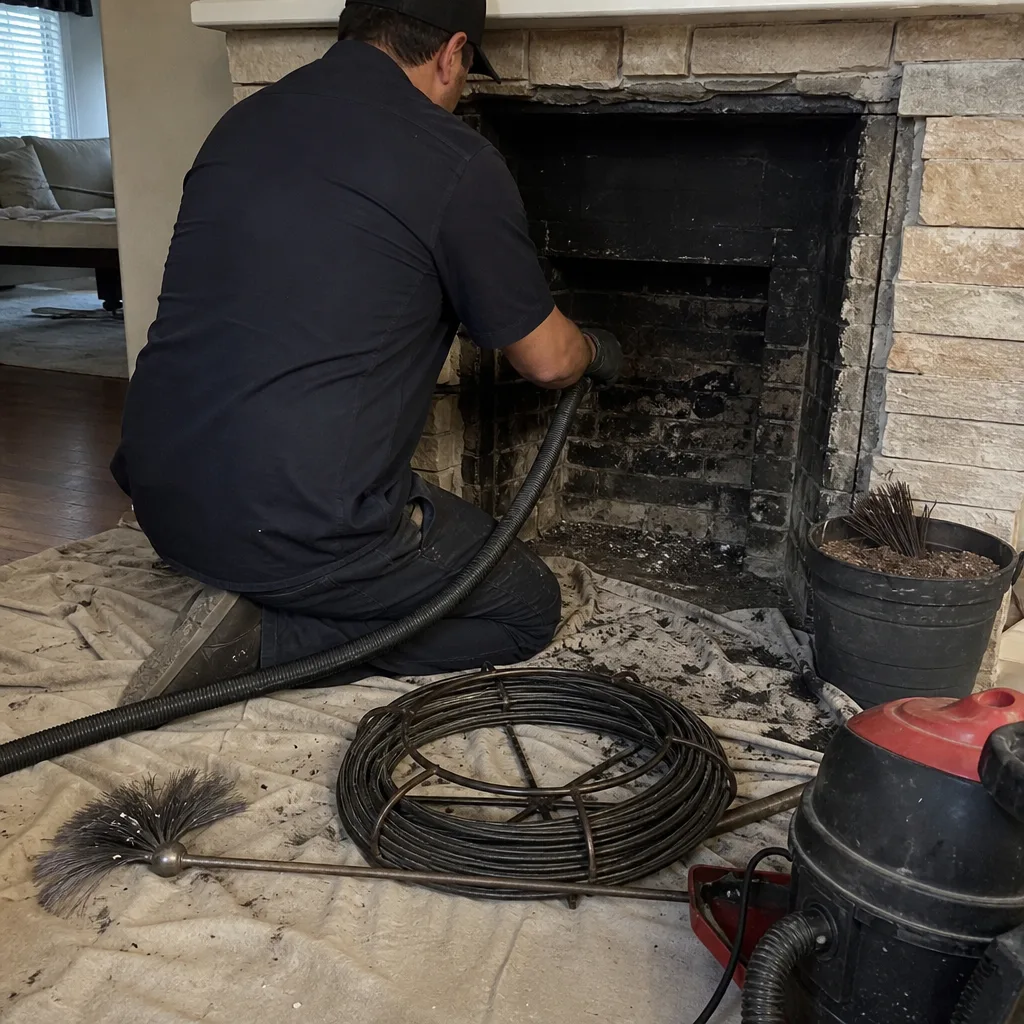 Before
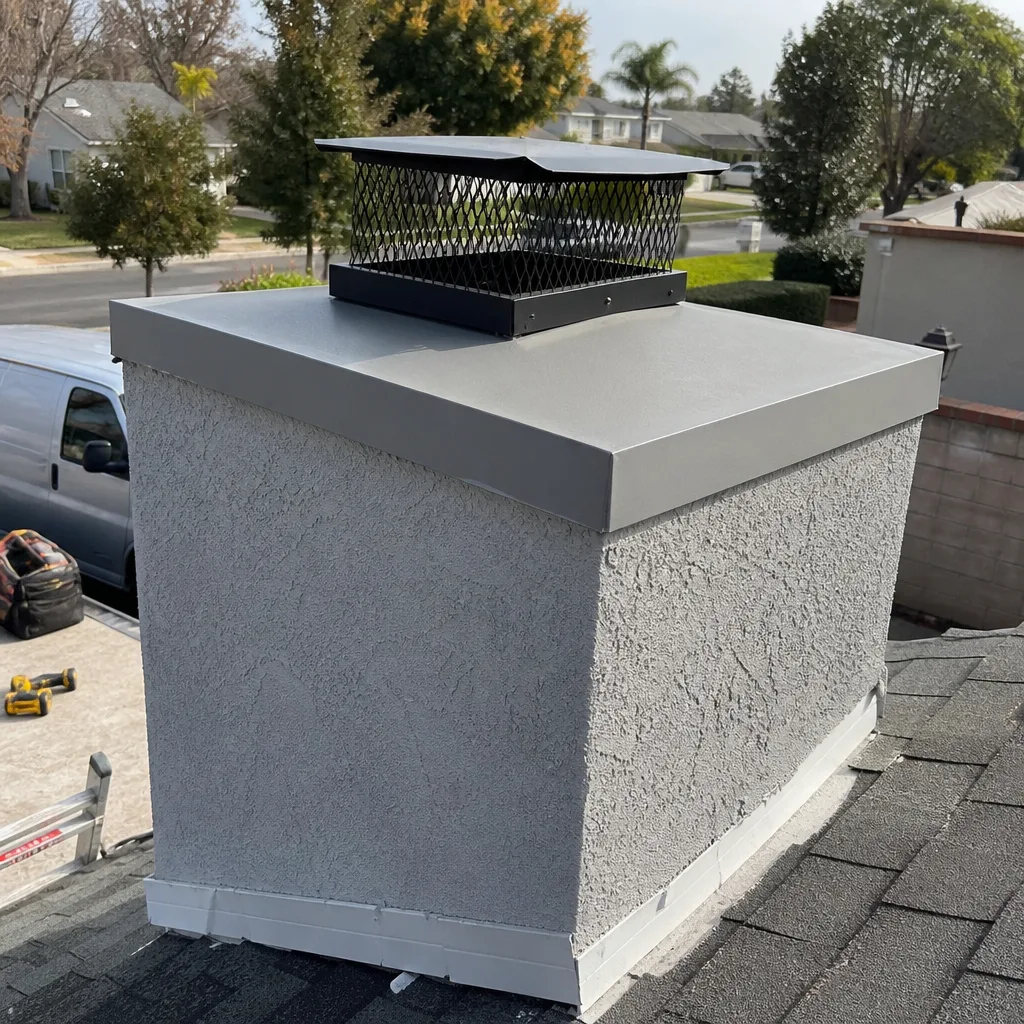 After
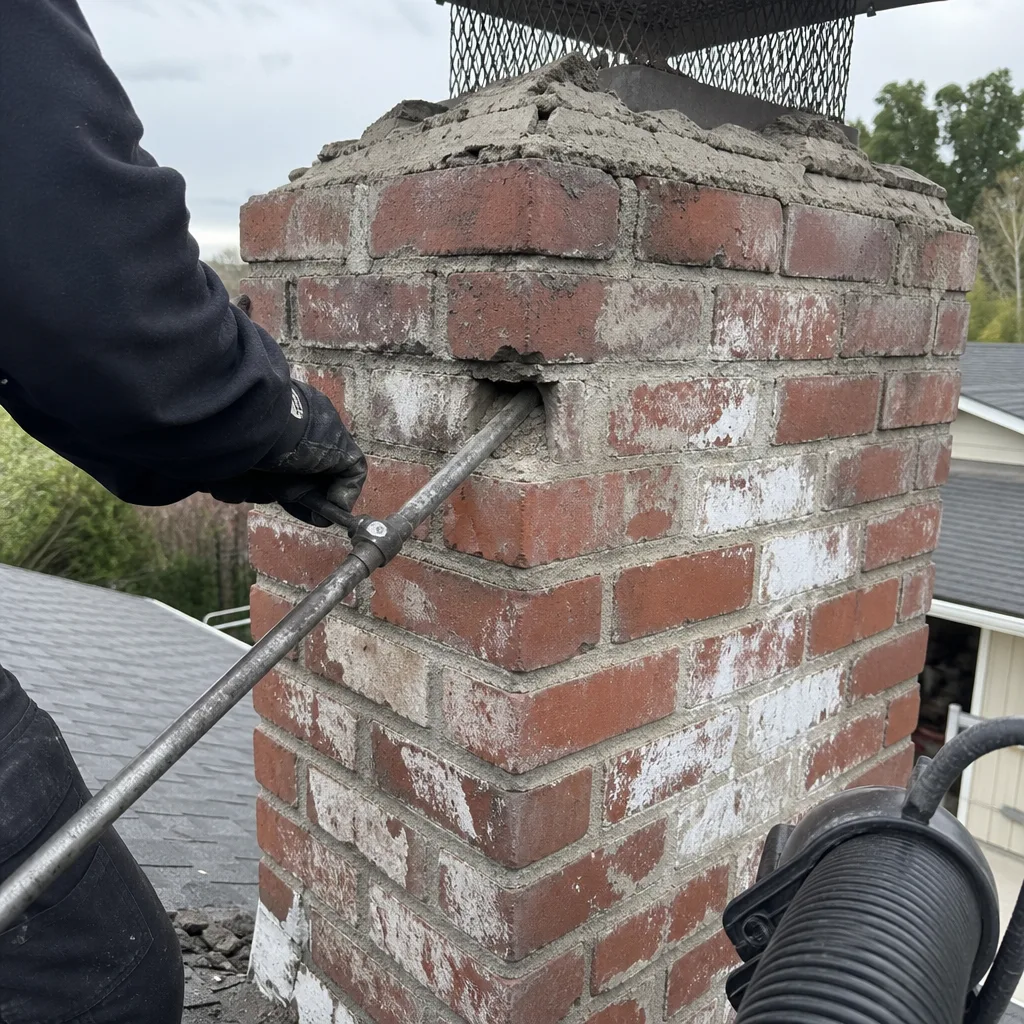 Before
 After
 Before
 After