
Last updated November 2, 2026
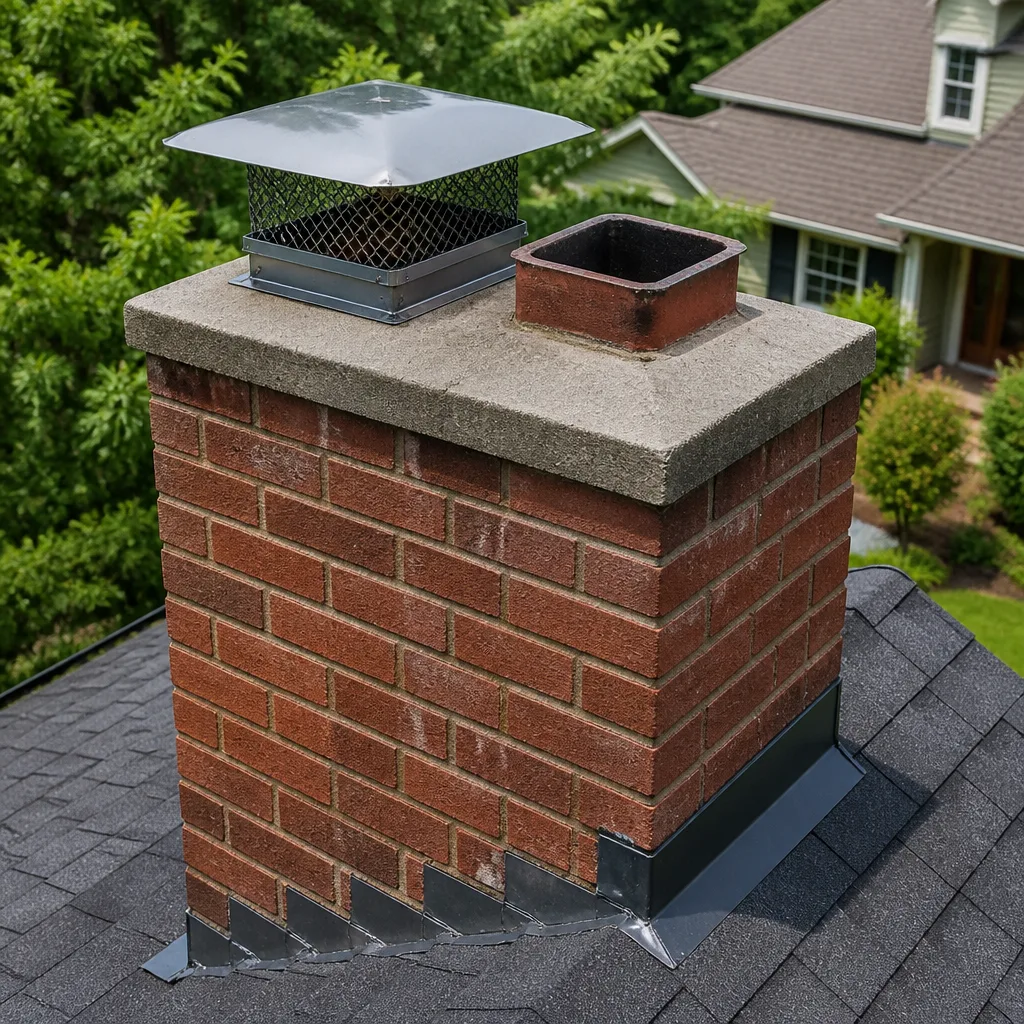 Sweep & inspection
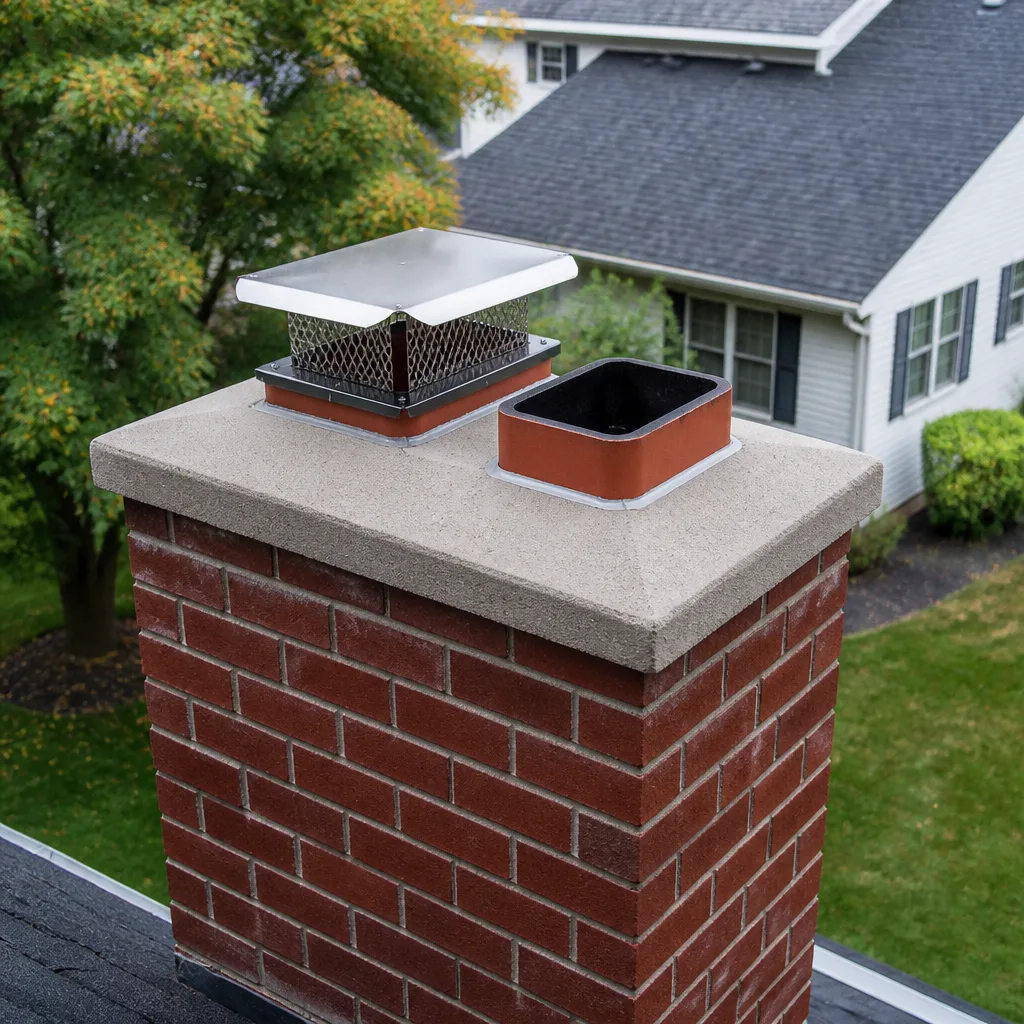 Caps & crowns
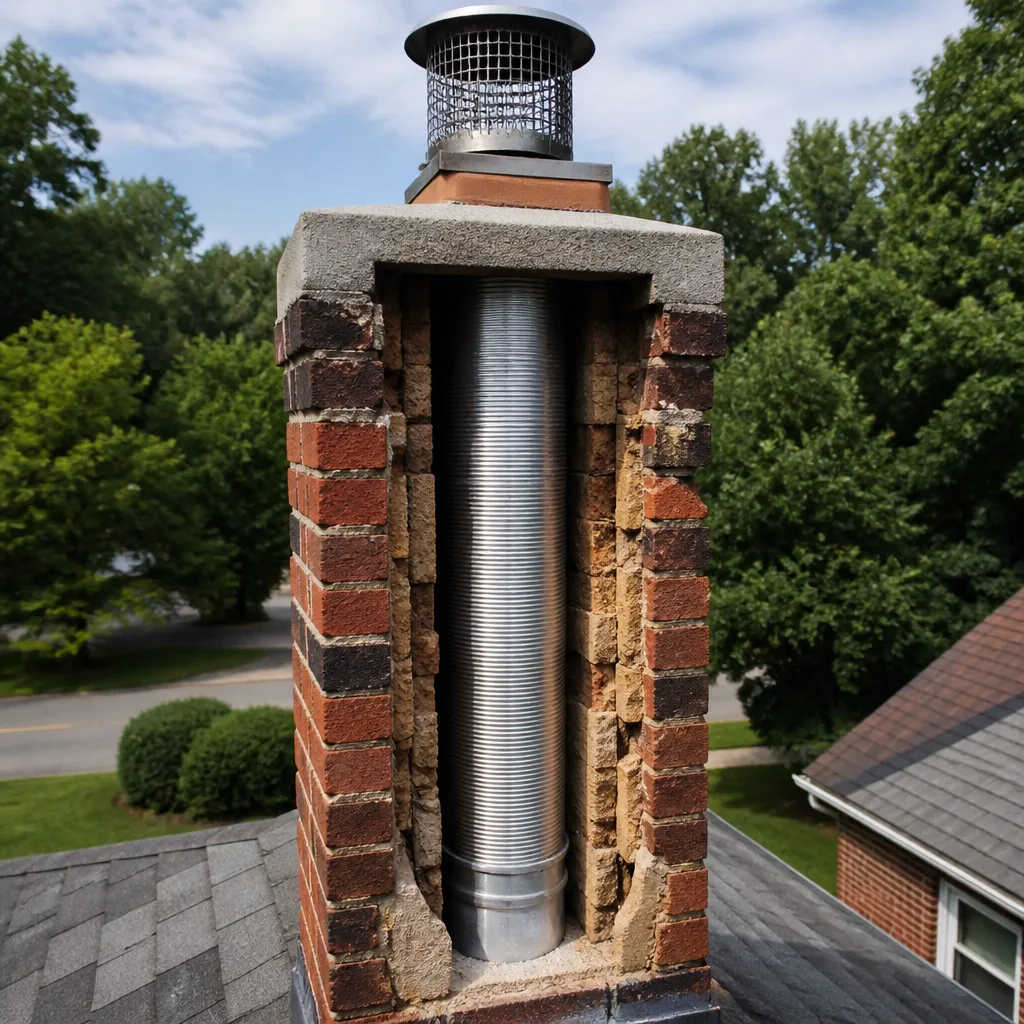 Flue relining
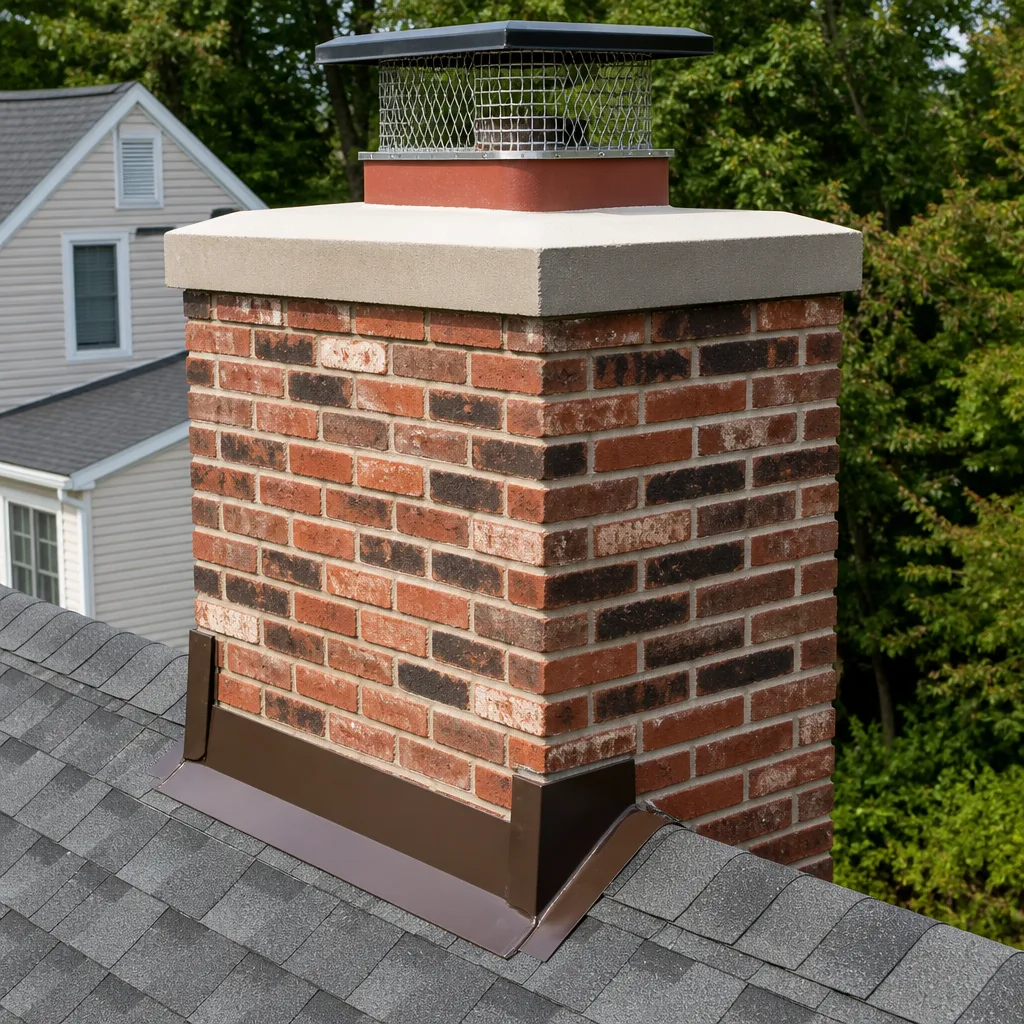 Masonry repair
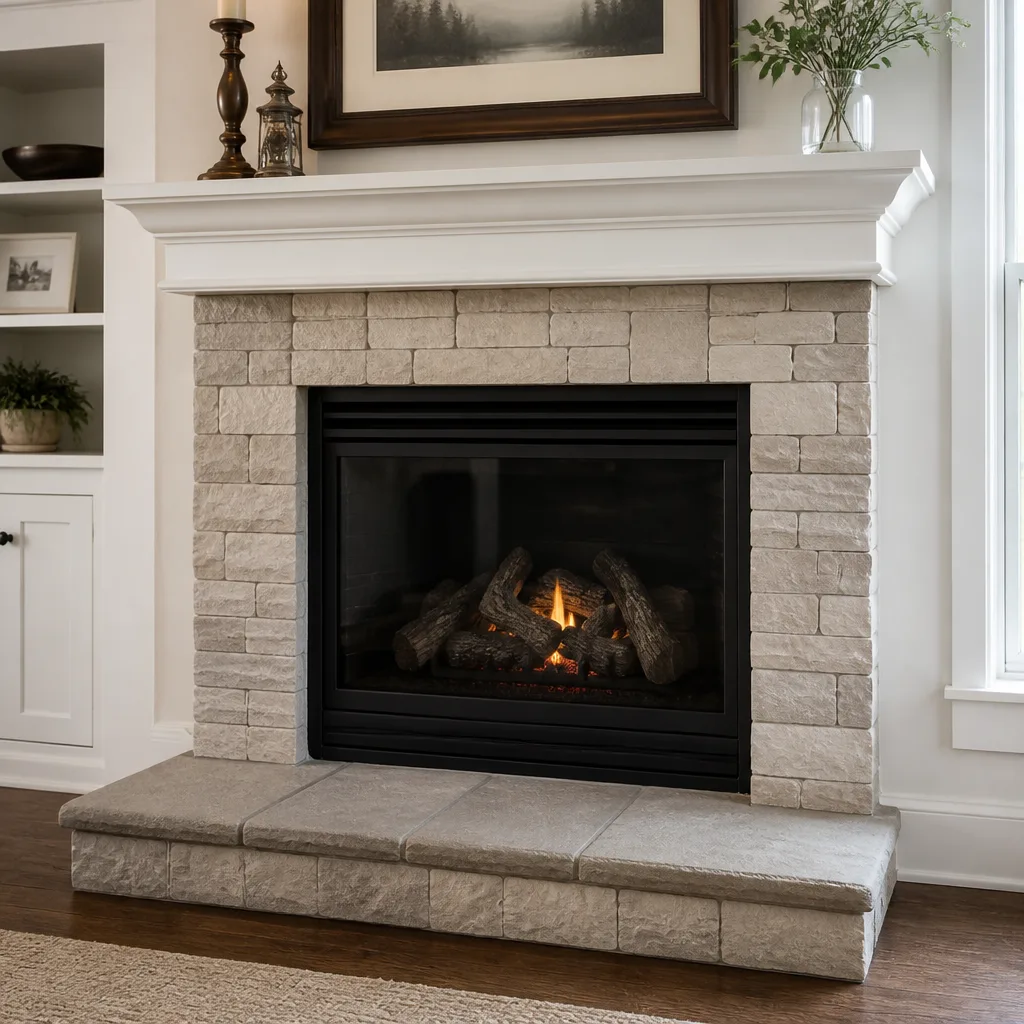 Gas fireplace service
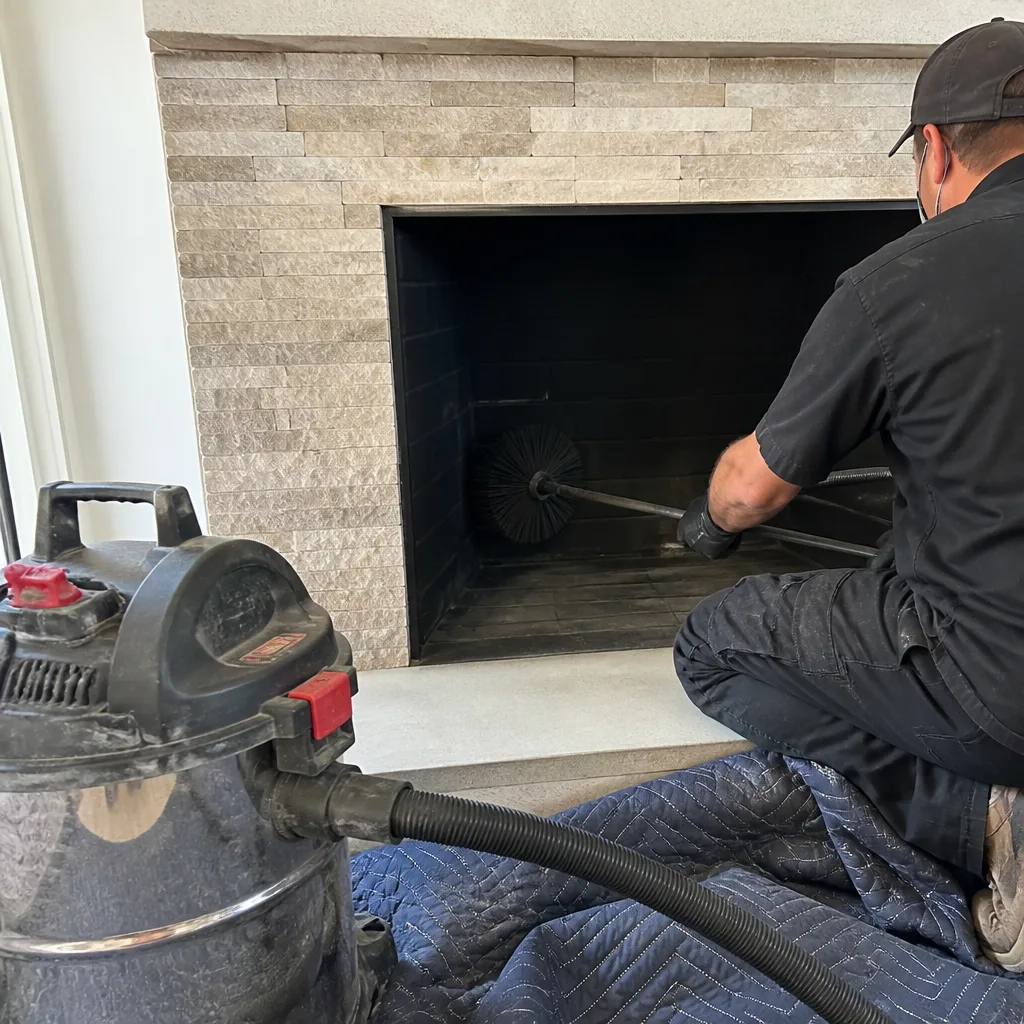
Level 1 sweep and inspection to the NFPA 211 annual standard - flue, crown, cap, and flashing checked and photographed
Chimney sweep logs do not sweep chimneys. They loosen some creosote - which then falls where a brush and vacuum still have to collect it.
Seasonal Chimney Cleaning Care for Pocket: Year-Round Homeowner’s Guide
Most Pocket homeowners schedule a chimney sweep in October, burn wood through December and January, then forget the fireplace exists until next fall. That rhythm feels sensible, but it misses something important. In Pocket, the worst damage happens between March and September, when tule fog, river humidity, and nesting animals work on your chimney while nobody is watching. This guide explains what your chimney actually goes through across all four seasons in Pocket, and what to do about it each step of the way.
Styles & brands we work with
- Sweep & inspection
- Caps & crowns
- Flue relining
- Masonry repair
- Gas fireplace service
Quick Answer
A year-round chimney care plan for Pocket means sweeping after your winter burn season ends (not before it starts), inspecting the cap and crown every spring, handling repairs and relining during summer when scheduling is easy, and doing a pre-season safety check in early fall before the first fire. The traditional “clean it in October” approach leaves eight months of moisture and animal damage accumulating unchecked. Chimney care in Pocket works best as a four-season habit, not a one-time fall chore.
Table of Contents
- Why Pocket’s Climate Is Harder on Chimneys Than Most Homeowners Realize
- Winter: What Tule Fog and River Humidity Do Between November and February
- Spring: The Season That Prevents the Most Expensive Repairs
- Summer: Why It’s the Smartest Time for Relining and Crown Repair
- Fall: Pre-Season Checks That Go Beyond a Standard Sweep
- How Spare the Air Restrictions Affect Your Cleaning Schedule
- A Month-by-Month Maintenance Calendar for Pocket Homeowners
- Common Mistakes to Avoid
- When to Call a Professional
- Frequently Asked Questions
- The Bottom Line
Why Pocket’s Climate Is Harder on Chimneys Than Most Homeowners Realize
Pocket sits in a microclimate that chimney systems genuinely struggle with. Most chimney advice is written for places with hard freezes and deep snow. Pocket doesn’t get that. What it gets is something sneakier: persistent moisture from the Sacramento River and the delta, winter tule fog that can sit for days, and summer temperature swings that make masonry expand and contract constantly.
The mortar between chimney bricks absorbs water. When that water sits in the joints through weeks of damp fog, it softens the mortar. When summer heat dries it out fast, the mortar cracks. Repeat that cycle for three or four years and you have spalling bricks and loose mortar joints that let water into the chimney structure itself. We’ve seen chimneys in Pocket with crown cracks that started as hairline fractures and widened every single fog season until water was running down the flue liner. That’s not a dramatic story; it’s what this climate does.
Metal components take a hit too. Chimney caps, dampers, and flashing expand in summer heat and contract on cool foggy nights. Over time, the seals around roof flashing open up just enough to let rain and condensation drip down the outside of the chimney chase. Galvanized caps rust faster in Pocket’s humidity than they would in a drier part of the Central Valley. Stainless steel holds up better, which is why we recommend brands like Olympia Chimney caps and dampers for Pocket homes, but even stainless needs to be checked for debris and animal damage.
The takeaway is simple: Pocket’s climate never really stops working on your chimney. It just changes how it attacks it depending on the season.
Winter: What Tule Fog and River Humidity Do Between November and February
Winter is when you use your chimney, so it’s also when creosote builds up fastest. But Pocket’s winter brings two specific problems that generic chimney advice misses: tule fog and sustained humidity levels that hover between 80 and 90 percent for weeks.
Tule fog does two things to a chimney. First, it keeps the exterior masonry damp for long stretches, which accelerates the freeze-thaw cycle on the rare nights when temperatures drop near freezing. Second, fog droplets carry fine particulate matter that settles on your chimney cap and screen. That particulate mixes with creosote residue and forms a sticky film that traps more debris. Over a full fog season, a chimney cap mesh can go from clean to noticeably clogged.
Inside the flue, high humidity changes how creosote behaves. When you burn wood, creosote condenses on the flue walls. In a dry climate, that creosote stays brittle and flaky, which makes it easier to brush out. In Pocket’s damp winter air, creosote absorbs moisture and turns into a tar-like glaze. Glazed creosote is harder to remove, more flammable, and more likely to trap additional deposits. If you burn oak or eucalyptus, both common in the Sacramento area, you’re already producing dense creosote; the humidity makes it worse.
Here’s what to do during winter months:
- Run the damper fully open during every burn. A partially closed damper cools the flue gases faster, which increases creosote condensation.
- Check the chimney cap from the ground with binoculars after heavy fog. Look for visible buildup on the mesh.
- If you notice smoke backing into the room on foggy days, that’s a draft problem, not normal fireplace behavior. Fog adds air density that can disrupt draft in marginal chimneys.
- Burn seasoned wood only. Wet wood produces more smoke, more creosote, and more fog-related flue buildup.
One more Pocket-specific winter issue: wind. When a winter storm moves through the delta, gusting wind can blow debris onto your roof and into an uncapped or poorly capped flue. A proper cap with a screen from Famco or Copperfield keeps leaves, twigs, and roof grit out of the chimney between burns.
Spring: The Season That Prevents the Most Expensive Repairs
Most homeowners shut the fireplace down in March and don’t think about it until October. That’s a mistake, and in Pocket it’s an expensive one. Spring is when your chimney tells you what winter did to it. The signs are there if you look.
After the last burn of the season, three things need attention: the cap, the crown, and the draft.
Cap Inspection
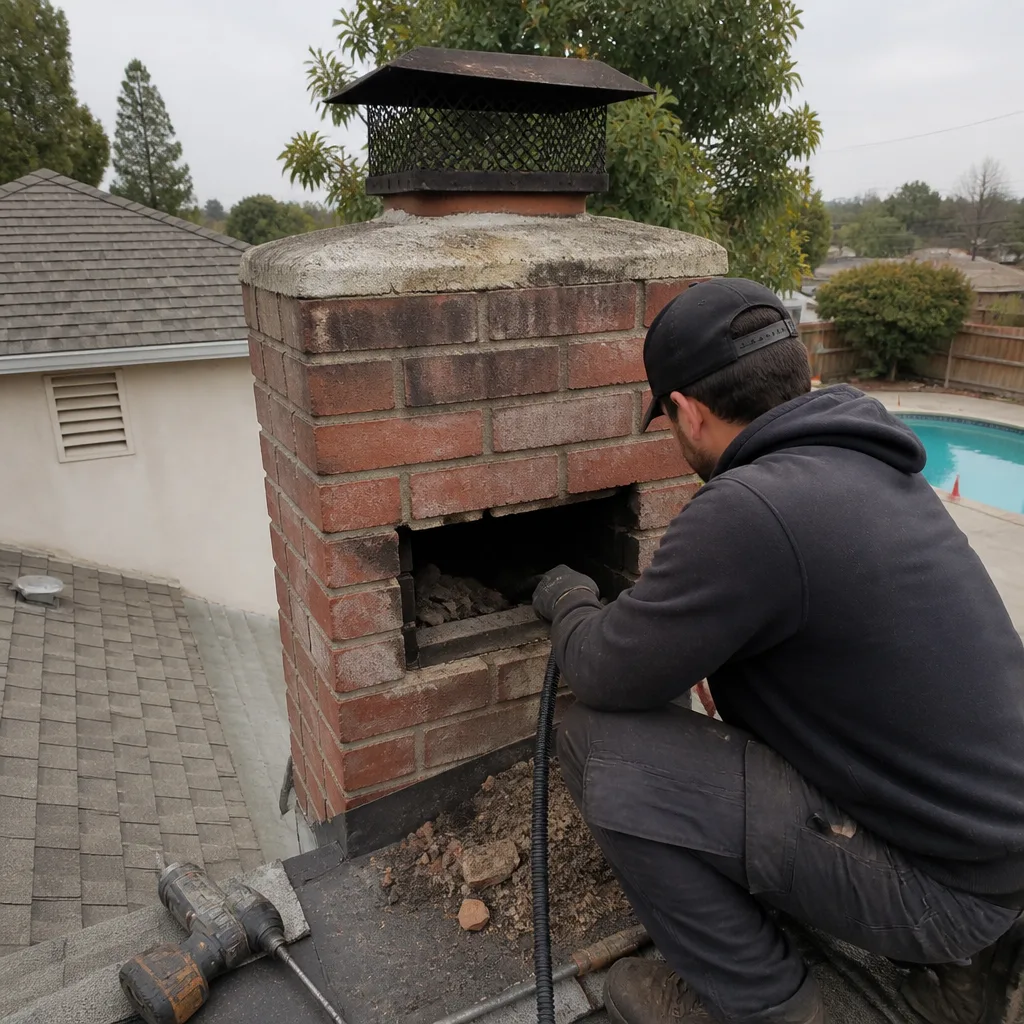
The chimney cap took everything winter threw at it: fog, rain, wind, debris. In spring, check it carefully. Look for rust on galavanized caps, bent or torn mesh, and any gaps where the cap attaches to the flue tile. A damaged cap is an open invitation to birds, squirrels, and raccoons looking for nesting spots. Raccoons in a Pocket chimney are more common than people think; the river corridor and tree canopy give them easy roof access. Once an animal nests in a flue, you’re dealing with odor, parasites, and often thousands of dollars in liner damage from urine and nesting debris.
Animal Exclusion
Spring is nesting season. Birds looking for a covered cavity will enter any uncapped or damaged-cap flue. The solution is a properly fitted cap with a stainless mesh screen, installed securely. This is not a hardware-store item. Cheap caps rust through in two or three seasons, and loose-fitting caps blow off in delta winds. Professional-grade caps from Copperfield or Olympia Chimney are designed to fit specific flue sizes and stay put. If you hear scratching, chirping, or a musky smell near the fireplace in spring, do not light a fire. Contact a chimney sweep in Pocket who can remove the animal and secure the cap.
Draft Testing After Burn Season
A draft test tells you whether your chimney is pulling air upward the way it should. It’s a simple diagnostic, but it catches problems early. If the draft is weak at the end of the season, something changed during winter: creosote buildup, a partial blockage, a cracked flue tile shifting in its mortar, or a cap clogged with fog-damp debris. Fixing a draft problem in spring means you’re not discovering it on the first cold night in November when every sweep in the Sacramento area is booked out three weeks.
Spring is also the right time to schedule chimney repair work that your winter sweep may have flagged. Cracks in the crown, a rusted damper, spalling bricks: these don’t fix themselves, and they don’t get better over summer. They get worse. Handling them in April or May means the work is done before summer heat makes masonry work harder, and before fall demand makes scheduling a headache.
Summer: Why It’s the Smartest Time for Relining and Crown Repair
If your chimney needs real structural work, a new liner, a rebuilt crown, or substantial repointing, summer in Pocket is the best time to schedule it. Not because summer is charming for chimney work; it isn’t. It’s hot on the roof, and mortar cures differently in 98 degree heat. But here’s what summer offers: open scheduling, complete access, and plenty of time to get the work right before you need the chimney again.
The fall backlog is real. Every year, Pocket homeowners call for sweeps and inspections in late September and October. By mid-October, the phone is ringing constantly, and even basic sweeps are being scheduled two to three weeks out. Repairs that require multiple visits, like a full stainless steel relining with DuraFlex, can take even longer. If you’re calling in October with a cracked liner, you may not be burning safely until November or December.
Here’s what summer is good for:
- Relining. A stainless steel liner installation takes a day or two, but proper measurement, material ordering, and curing time means the whole process stretches over weeks. Summer gives you the runway.
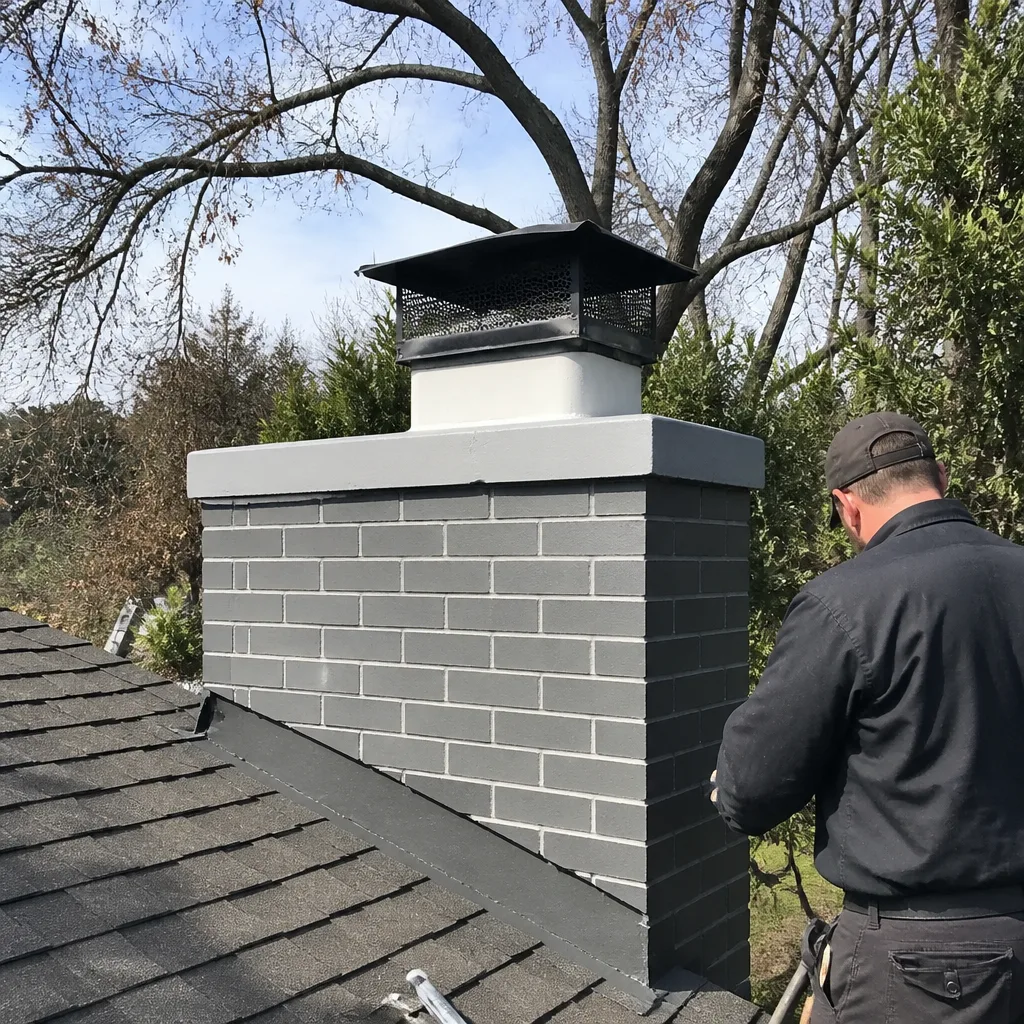
- Crown repair or rebuild. Crown mortar needs time to cure properly. Cool, dry conditions are ideal, but with the right products and an experienced hand, summer crown work is done well before winter rain arrives.
- Repointing and brick repair. If winter’s fog weakened your mortar joints, summer gives the chimney a full dry season to stabilize after repair.
- Full system inspection. A thorough camera inspection of the flue interior can be done any time, but summer means the findings can be addressed immediately, not rushed in October.
We tell Pocket homeowners this all the time: the time to think about your chimney is when the fireplace is cold. Summer inspection and repair turn fall into a simple, low-stress sweep instead of a scramble. If you know your chimney needs work, call us in June or July. You’ll get faster service, more scheduling flexibility, and the work will be fully cured and ready before the first fog sets in.
Fall: Pre-Season Checks That Go Beyond a Standard Sweep
Fall is when most Pocket homeowners finally think about the chimney, and a good fall routine is still essential. But a standard sweep isn’t enough before the first fire. Here’s what a proper pre-season chimney check in Pocket should include.
- Full sweep of the flue and smoke chamber. This removes whatever summer left: nesting material, fog-damp creosote residue from last winter, and any debris that fell in through a troubled cap.
- Camera inspection of the flue interior. This is non-negotiable for any chimney that’s been in service more than a few years. It confirms the liner is intact, the mortar joints are solid, and no hidden cracks are waiting to fail during the burn season.
- Cap and screen verification. The cap should be securely fastened, the mesh intact, and the whole assembly clear of debris.
- Damper operation check. The damper opens fully, closes tightly, and seals well enough to keep conditioned air from escaping when the fireplace isn’t in use.
- Smoke test. A small smoke test confirms the draft is strong and the chimney is pulling properly before you light the first real fire.
One fall habit we recommend for Pocket: schedule your sweep in September, not November. Yes, it’s still warm. Yes, you’re not thinking about fires yet. That’s the point. You’ll have the full attention of your chimney service, the work gets done without weather complications, and you’re ready on the first genuinely cold night instead of waiting for an open appointment slot during peak demand.
How Spare the Air Restrictions Affect Your Cleaning Schedule
Pocket falls under Sacramento region air quality rules, and that includes winter Spare the Air alerts when wood burning is restricted. If you’ve lived here a while, you know the drill: on bad air days, no burning unless your fireplace is your only heat source. Those restrictions change your burn pattern, and they change when your chimney actually needs cleaning.
Here’s what happens: a Pocket homeowner who burns every evening from November through January will produce creosote on a fairly predictable schedule. A homeowner who burns only on allowed days, skipping several days during each Spare the Air episode, actually produces denser creosote per burn. Why? Because the first burn after a cold idle period is often a longer, cooler burn, and cooler fires produce more creosote than hot, established fires.
The practical takeaway: if you’re a frequent burner, clean before the season and once mid-season if you use the fireplace heavily. If you’re an occasional burner who sits out most Spare the Air alerts, you still need a pre-season cleaning because the few burns you do have may be dirtier than you’d expect. And after a very restricted season, the end-of-season cleaning is especially important; the creosote from those start-and-stop burns sits in the flue all summer, absorbing humidity and hardening into glaze.
If you’re not sure where you fall, the answer is simple: schedule a sweep in early fall, and talk with a chimney professional about your actual burn pattern. The right schedule is based on how you burn, how often, and what you burn, not on a generic calendar.
A Month-by-Month Maintenance Calendar for Pocket Homeowners
Here’s a working calendar for year-round chimney care in Pocket. It’s not about making chimney maintenance a second job; it’s about doing a few small things at the right time so you never face a big emergency at the worst possible moment.
- January: Mid-winter check. Look at the cap, check for smoke backing into the room, listen for animal activity. If you burn heavily, consider a mid-season sweep.
- February: Same as January. Heavy fog months, so watch for cap buildup and any moisture streaks on the ceiling near the chimney.
- March: End-of-season sweep. Get the creosote out before it sits all spring and summer. This is the single most important spring task.
- April: Cap and crown inspection. Check for rust, cracks, loose mortar. Schedule any repairs while availability is wide open.
- May: Animal exclusion. Confirm the cap is secure and the screen is intact before peak nesting season. Address any signs of animal visitation from winter.
- June: Repair season begins. If the camera inspection from March/April flagged liner or crown issues, schedule the work now.
- July: Continue repairs. Hot roof work is uncomfortable, but a professional crew handles it fine and the chimney dries completely between stages.
- August: Mid-summer check. Confirm repair work is complete and cured. Check for any animal activity through the summer.
- September: Pre-season sweep and safety check. Do this before the fall rush. Camera inspection, smoke test, damper check.
- October: Burn ready. If you did September right, you’re ready on the first cold night. If not, you’re now competing for schedule slots.
- November: Burn season begins. Pay attention to air quality alerts, burn only seasoned wood, run the damper fully open.
- December: Mid-season check. Look for any smoke issues, cap buildup, or animal activity. Schedule a mid-season sweep if you burn daily.
This calendar works for Pocket specifically because it accounts for fog season, nesting season, the fall rush, and Spare the Air restrictions. It’s a working tool, not a vague suggestion.
Common Mistakes to Avoid
- Only cleaning in October. This is the big one. Creosote sits in the flue all summer, absorbing river humidity and hardening. Spring cleaning plus fall preparation beats one rushed fall appointment every time.
- Ignoring a damaged cap. A bent or rusted cap in March becomes a raccoon nursery in May and a clogged, dangerous chimney in November. Small cap issues turn into big animal removal bills.
- Skipping the camera inspection. A visual check from the top and bottom only sees so much. Cracked flue tiles and hidden liner damage are invisible without a camera. In Pocket’s damp climate, hidden cracks lead to water damage inside the chimney chase.
- Burning unseasoned wood. Wet wood burns cool, which produces more creosote and contributes to fog-related flue glaze. Burn wood that’s been split and stacked for at least six months, ideally twelve.
- Treating the dryer vent as an afterthought. Your dryer vent is a chimney too; it carries lint and hot air. A clogged dryer vent causes thousands of house fires every year. Dryer vent cleaning in Pocket belongs in the same seasonal schedule as your chimney.
- Waiting until the first cold night to discover the chimney doesn’t draft. Every year, homeowners light a fire in November and find smoke filling the living room. A simple September smoke test would have caught it.
- Using a hardware-store cap or liner patch. Off-the-shelf caps rust out in two seasons, and liner patches are a stopgap that fails under heat stress. Professional-grade materials from DuraFlex and Olympia Chimney are built for real chimney conditions, not decoration.
When to Call a Professional
Some chimney tasks are safe and straightforward for a homeowner: checking the cap from the ground, keeping the firebox clean, looking for visible debris. Others require training, specialized tools, and safety equipment built for roof and flue work. If you see cracked bricks, a rusted-through cap, water stains on the ceiling near the chimney, or smoke backing into the room, call a professional. If you hear animals in the flue, do not attempt removal yourself; that’s a job for someone who knows how to handle chimney wildlife safely. If your chimney hasn’t been inspected in two years or more, it’s time. Meadow Chimney Sweep offers free estimates in Pocket, call (855) 943-1461.
Frequently Asked Questions
Most Pocket homes that burn wood regularly need a sweep once per year, ideally at the end of burn season in March, with a lighter pre-season check in September. If you burn daily through winter or burn unseasoned wood, you may need a mid-season sweep. The exact schedule depends on your burn patterns, the wood you use, and the age of your chimney system.
A standard chimney sweep in the Sacramento area typically runs between $180 and $340 depending on the chimney’s condition, height, and accessibility. If a camera inspection is added, expect additional cost. If the sweep uncovers repair needs, those are quoted separately. Call (855) 943-1461 for an exact quote; estimates are free.
Not automatically. A camera inspection determines whether your existing liner is compromised. Cracked clay tiles, deteriorating mortar joints, or visible gaps between tile sections often mean a new liner is the safe fix, but sometimes the damage is localized and repairable. No one should recommend a liner replacement without showing you the camera evidence. If a contractor recommends a new liner without a camera inspection, get a second opinion.
Creosote builds up inside the flue. In Pocket’s humid climate, it hardens into a flammable glaze. A hot fire can ignite that creosote, causing a chimney fire that can crack the liner, damage the masonry, and in worst cases spread to the house. Even without a fire, built-up creosote restricts draft, pushes smoke into the living space, and accelerates moisture damage inside the flue. Skipping cleaning isn’t just an aesthetic issue; it’s a genuine safety risk that compounds every year.
Gas fireplaces produce far less creosote, but they still need annual inspection. Gas vents can clog with debris, birds can nest in the vent, and the vent connector can deteriorate over time. A blocked gas vent pushes carbon monoxide back into the house. Gas chimney maintenance is lighter than wood, but it’s not zero maintenance. Call (855) 943-1461 if your gas fireplace hasn’t been inspected in over a year.
Even an unused chimney suffers in fog season. Moisture absorbs into mortar joints and clay flue tiles, and repeated damp-dry cycles weaken the structure. An uncapped or poorly capped chimney also invites animals during the foggy months when they’re looking for shelter. The fix is simple: keep the cap secure, keep the flue clean of debris, and inspect the crown and mortar every spring regardless of how often you burn.
The Bottom Line
Pocket’s climate doesn’t follow the standard fall-only chimney advice, and neither should you. The fog, the river humidity, the delta winds, and the air quality restrictions all shape when your chimney needs attention. The fix is a year-round rhythm: sweep in the spring, inspect the cap and crown, handle repairs in the summer when scheduling is easy, and do a full pre-season check in early fall before demand spikes. It’s not more work than the old way; it’s better timing. Your chimney stays cleaner, your repairs cost less, and you never find yourself calling every sweep in Sacramento during the first cold snap hoping for an open slot.
Need help building a seasonal chimney care plan for your Pocket home? Schedule a chimney sweep or call (855) 943-1461 for a free estimate.
Written by the team at Meadow Chimney Sweep, serving Pocket since 2018.
See the difference
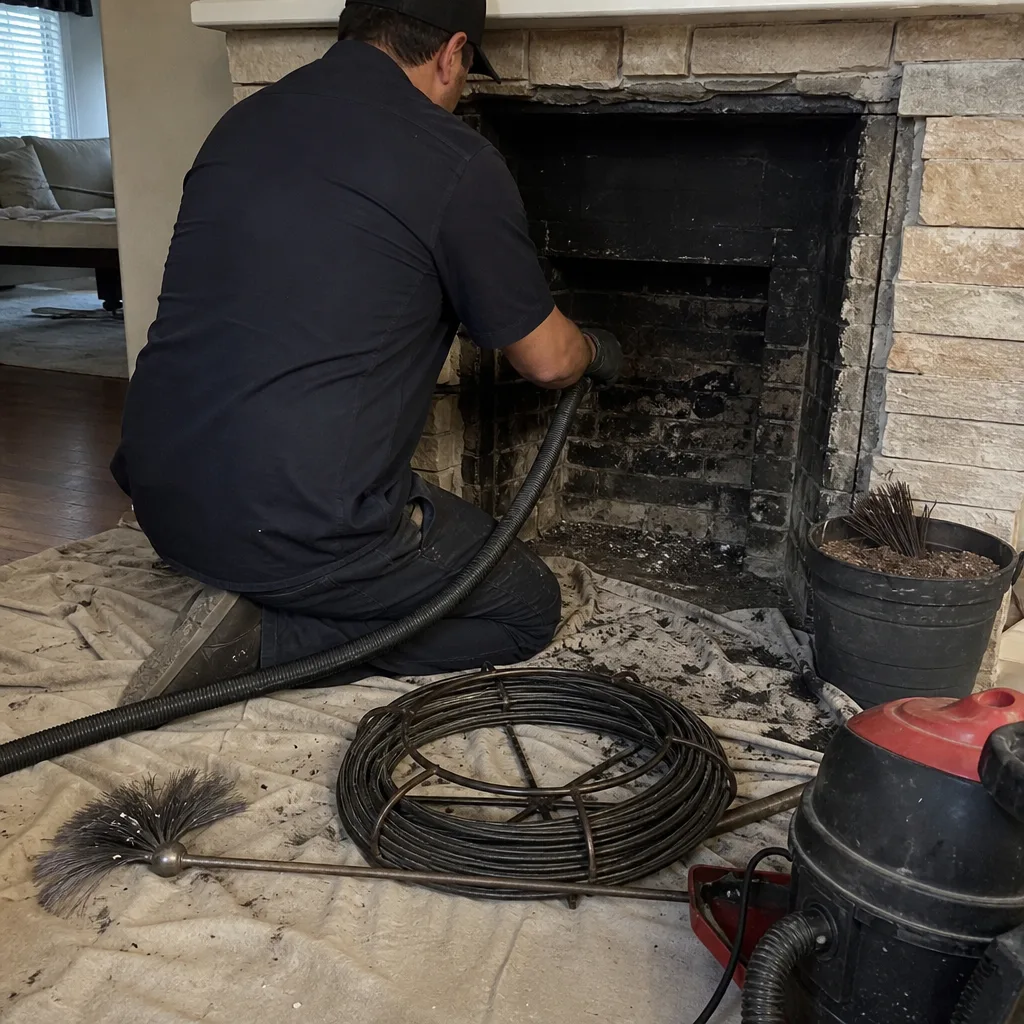 Before
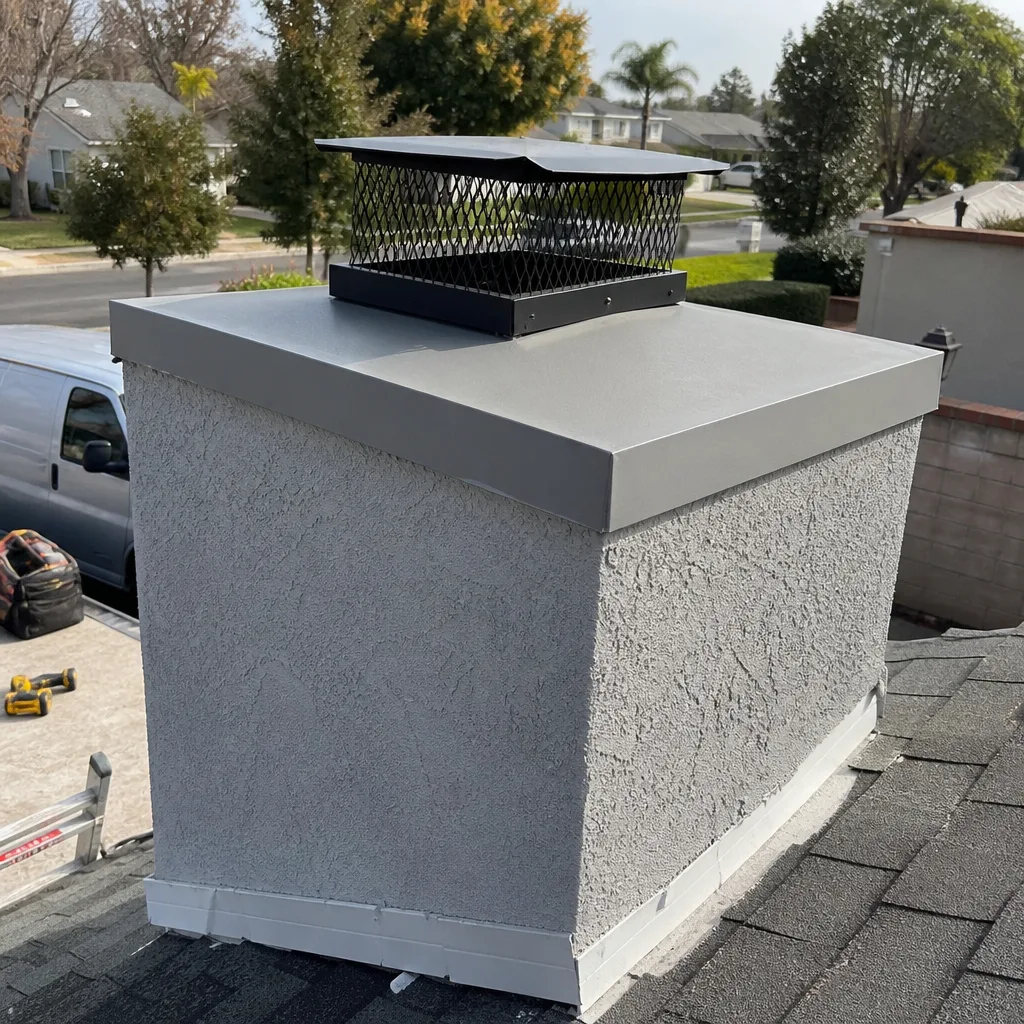 After
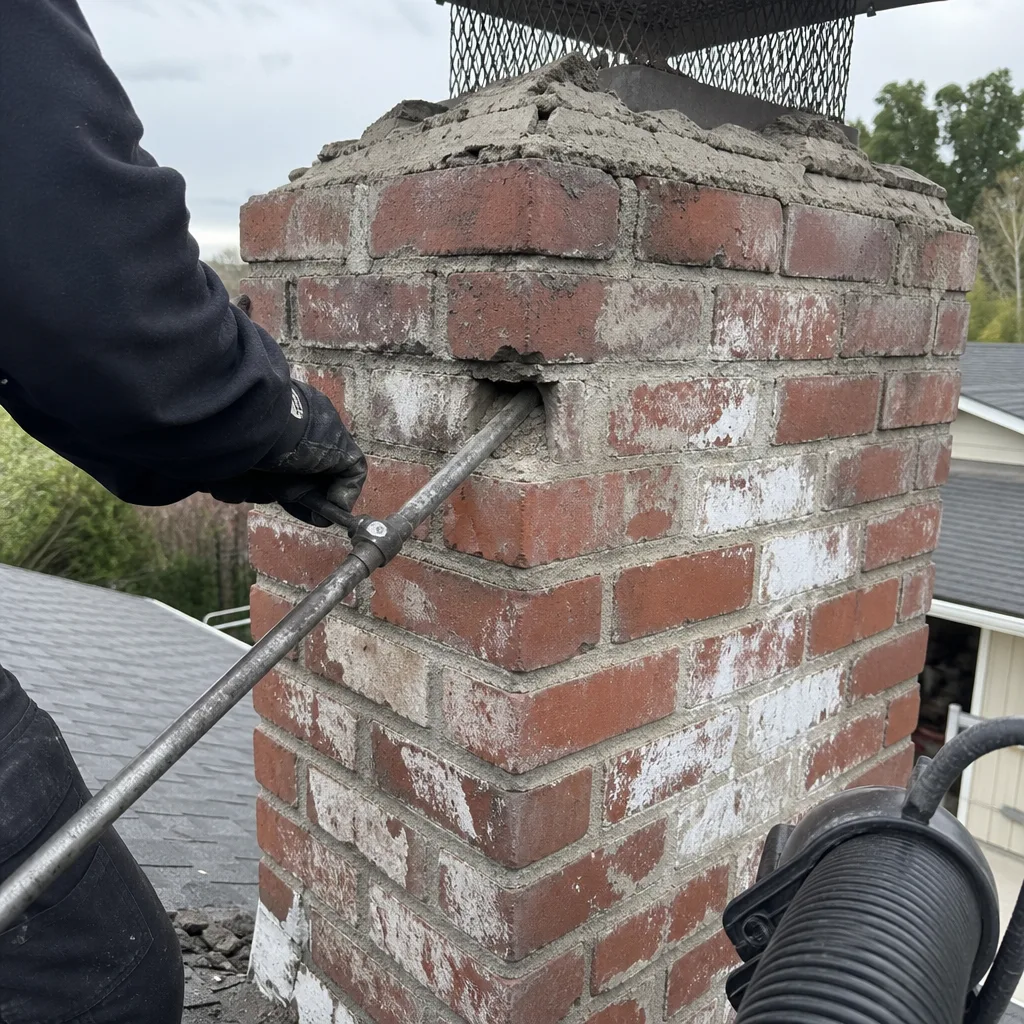 Before
 After
 Before
 After